

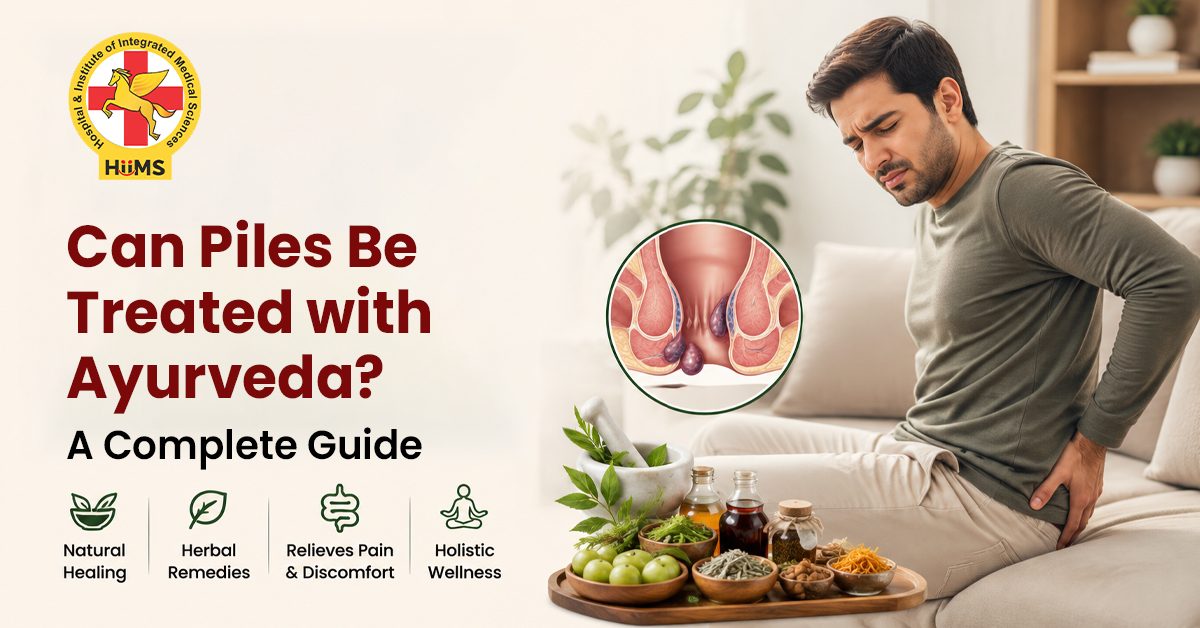
The medical term for piles is haemorrhoids, and it is a very common disorder that causes bleeding, itching, pain, and discomfort around the anus. Piles disease develops when the veins and supporting tissues in and around the lower rectum or anus become swollen. Constipation, straining during bowel movements, prolonged sitting on the toilet and a low-fibre diet are some factors that may increase the risk of piles.
Many people look for Ayurvedic approaches when they experience recurring piles symptoms. Ayurveda describes piles under the condition known as Arsha and includes dietary, lifestyle and procedural approaches according to the condition of the individual. One of the specialised procedures associated with Ayurvedic surgery is Kshar Sutra, which uses a specially prepared medicated thread for selected anorectal conditions.
However, it is important to understand that every case of piles is different. The right approach depends on the type, severity and symptoms, and a proper examination is important before deciding on any procedure.
What Are Piles?
Piles are swollen veins and supporting tissues around the anus or lower rectum. They are generally divided into internal and external piles.
- Internal piles develop inside the rectum and may cause bright red bleeding during or after passing stool. In some cases, the swollen tissue may gradually protrude through the anal opening.
- External piles develop beneath the skin around the anus and may cause itching, tenderness, swelling or a painful lump.
Since similar symptoms can occur with other anorectal conditions, persistent bleeding or unusual symptoms should not simply be assumed to be piles.
Common Piles Symptoms
The common piles symptoms may include:
- Bright red bleeding during or after passing stool
- Pain or discomfort around the anal area
- Itching or irritation
- Swelling near the anus
- A lump around the anal opening
- Prolapse of internal piles during bowel movements
- Discomfort while sitting
Rectal bleeding should not always be attributed to piles because other digestive and intestinal conditions can also cause bleeding. Proper medical evaluation is therefore important when bleeding is persistent or unexplained.
What Causes Piles?
There can be several causes of piles, and everyday bowel habits often play an important role.
- Constipation and Straining
If constipation occurs, you might have a problem of having hard feces making the process difficult. Straining may be an issue when you use the bathroom and can cause haemorrhoids.
- Lack of Fiber in Your Diet
With a low amount of fiber in your diet, you may suffer from constipation and hard feces. It is recommended to eat fruits, vegetables, and grains.
- Staying Long on the Toilet
You should avoid spending a lot of time in the toilet since it creates pressure in the anal area.
- Chronic Diarrhoea
Chronic diarrhea also causes irritation of the anal area.
- Pregnancy and Increased Pressure
Pregnancy can increase pressure on the veins around the rectum and anus, which may make piles more likely in some women. Activities involving repeated heavy lifting and straining may also increase pressure in this region.
Can Piles Be Treated with Ayurveda?
Yes, Ayurveda provides different approaches for managing piles depending on the individual’s condition. These may include dietary changes, improvement of bowel habits, Ayurvedic medicines and selected procedures.Many people searching for how to piles cure also look for natural approaches that may help manage symptoms and improve bowel health.
For milder cases, correcting constipation, improving fibre intake, drinking adequate fluids and avoiding excessive straining may be an important part of care. These lifestyle measures are also commonly recommended for haemorrhoid management.
When piles are persistent or more advanced, an Ayurvedic physician or surgeon may recommend a suitable procedure after examination. One such procedure is Kshar Sutra.
It would not be accurate to say that one Ayurvedic treatment is suitable for every piles patient. The piles’ treatment should be selected after understanding the type and severity of the condition.
What Is Kshar Sutra Treatment for Piles?
Kshar Sutra treatment is an Ayurvedic parasurgical procedure that uses a specially prepared medicated thread. It is traditionally prepared by coating a surgical thread with medicinal substances, including alkaline preparations. Ayurvedic medical literature describes its use in selected anorectal conditions.
In piles, the thread may be placed around the base of a selected pile mass under appropriate clinical supervision. The pressure and medicinal action of the thread affect the targeted tissue and its blood supply. The treated tissue then gradually separates.
Clinical studies have investigated Kshar Sutra ligation in selected cases of internal haemorrhoids, particularly Grade II and Grade III piles. However, the procedure is not automatically appropriate for every patient. A qualified doctor must first assess the condition and determine whether it is suitable.
Kshar Sutra should only be performed by a properly trained professional in an appropriate clinical setting.
Possible Benefits of Kshar Sutra
Kshar Sutra has been studied as an Ayurvedic parasurgical approach for selected anorectal conditions. Some clinical studies have reported favourable outcomes in appropriately selected patients.
Some potential advantages include:
- A focused parasurgical approach
- Relatively limited hospital stay in suitable cases
- Use of a specialised Ayurvedic technique
- Treatment directed towards the affected pile mass
- Follow up based on the individual’s healing and condition
However, it should not be presented as universally better than conventional procedures. Different procedures have different indications, benefits and risks.
Diet and Lifestyle After Piles Treatment
Diet and bowel habits remain important even after treatment because constipation and repeated straining may contribute to recurring symptoms.
The following tips will be useful for you:
- Include fibre-containing food like fruits, vegetables, and whole grains in your diet.
- Drink water as per your requirements.
- Do not strain yourself while defecating.
- Do not sit on the commode for extended periods of time.
- Exercise regularly.
- Reduce the consumption of overly spicy, oily, and fried foods in case they make your condition worse.
- Follow the instructions of your doctor after any procedure is performed.
- Sitz baths with warm water might relieve your discomfort in case of anorectal region problems.
When Should You Consult a Doctor?
The piles symptoms should not be overlooked if they persist for a long time or worsen. In particular, rectal bleeding must never be ignored, because there might be another cause of it apart from piles.
You need to see a doctor if:
- There is persistent or heavy bleeding.
- You experience severe anal pain.
- A lump becomes suddenly very painful.
- Symptoms continue despite dietary and lifestyle changes.
- You experience fever, abdominal pain or diarrhoea along with bleeding.
- Your symptoms are new or unexplained.
Getting the right diagnosis can help determine whether piles are actually responsible for the symptoms and which treatment approach may be appropriate.
How to Choose the Best Ayurvedic Hospital for Piles?
An effective Ayurvedic hospital will first diagnose your symptoms and classify the nature and level of your piles. In case the treatment is recommended, you can inquire about the procedure, its duration, recovery process, follow-up, and associated risks as well.
Patients can avail themselves of Ayurvedic and integrative counseling for piles at Jeena Sikho HiiMS Hospital. The correct treatment path could be determined through consultation and individual assessment.
Conclusion
There are multiple treatment methods available in Ayurveda for dealing with piles that range from making necessary changes in diet and lifestyle to more specific parasurgical treatments, such as Kshar Sutra, which is suitable in some cases.
In case you are suffering from any symptoms of piles, such as bleeding, pain, itching, or swelling, the right diagnosis should be the first priority. At Jeena Sikho HiiMS Hospital, you will have an opportunity to get a consultation from professionals to know your condition and find out about a suitable method of Ayurvedic treatment.

FAQs
- Can piles be managed with Ayurveda?
Yes, there are many ways to treat piles under Ayurveda such as dietary and lifestyle changes, ayurvedic medicines as well as Kshar Sutra, in certain cases.
- How is Kshar Sutra procedure done for piles?
Kshar Sutra is an Ayurvedic procedure using a special medicated thread. It can be employed for selected cases of piles following the proper examination by a skilled Ayurvedic surgeon.
- What are the common symptoms of piles?
The common symptoms of piles include bleeding while passing stools, itching, pain or discomfort, swelling around the anus and prolapse of the tissues at the anal area.
- What are the causes of piles?
The common causes of piles are constipation, straining of the abdomen during defecation, less consumption of fibres, continuous sitting on the toilet seat, diarrhea, pregnancy and activities increasing pressure in the abdominal area.
- Is Kshar Sutra treatment suitable for every patient of piles?
Not all patients or all kinds of piles can be managed by Kshar Sutra procedure. It totally depends on the kind and severity of the piles and on the individual.
Disclaimer: The information provided on this blog is for general educational and informational purposes only. It is not intended to replace professional medical advice, diagnosis, or treatment. Always consult a qualified healthcare professional before making any changes to your diet, lifestyle, or treatment plan. Individual results may vary.