
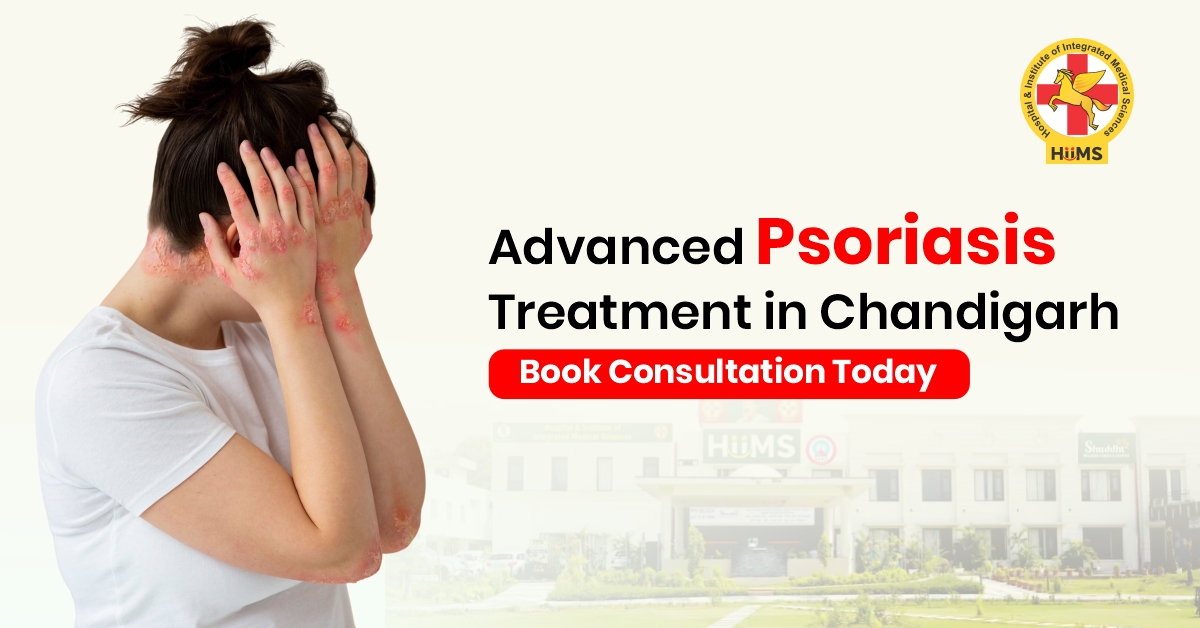
Psoriasis is the long-term skin disorder affecting millions worldwide. It causes the red, flaky patches and the persistent irritation. You might see it on the scalp, elbows, knees, or back. It’s not contagious, but it can be uncomfortable and emotionally taxing. Spotting symptoms early makes it easier to manage. Common signs include dry or cracked skin, thick nails, and itchy or bleeding patches.
Jeena Sikho HiiMS Chandigarh takes a holistic approach to psoriasis treatment. We combine Ayurvedic methods with modern medical care. The goal is to treat both symptoms and underlying causes, supporting long-term skin health. Consulting a qualified psoriasis doctor ensures care that’s personalized for your condition. With proper treatment, flare-ups can be reduced, discomfort eased, and daily life improved. Early care and regular monitoring are key to controlling psoriasis and avoiding complications.
Understanding Psoriasis and Its Symptoms: An Overview
Psoriasis is an autoimmune condition where skin cells grow faster than usual. This leads to thick, inflamed patches covered with silvery scales. Some common psoriasis symptoms include:
- Constant itchiness and the skin irritation.
- The red and swollen patches on the skin.
- Dry and cracked skin that may bleed.
- Thickened or the pitted nails.
Catching these symptoms early is important. A psoriasis specialist can tell the psoriasis apart from the other skin conditions and recommend the right treatment. Acting fast helps to reduce the discomfort and prevents severe flare-ups.
Causes and Risk Factors of Psoriasis
The exact cause of the psoriasis isn’t fully understood, but it’s linked to an overactive immune system. The Common risk factors include:
- History of the psoriasis in the family.
- Stress or the lifestyle triggers.
- Skin injuries or the infections.
- Some medications.
- Obesity and the metabolic conditions.
Knowing what triggers your flare-ups is important. Avoiding the irritants and managing the lifestyle factors can really improves the psoriasis treatment results.
Why Psoriasis Needs to Be Treated by a Psoriasis Specialist
Psoriasis isn’t just a cosmetic problem. If ignored, psoriasis can affect your overall health. A specialist will assess how severe it is, figure out your triggers, and make a treatment plan just for you. Proper care can prevent issues like psoriatic arthritis or infections and make everyday life easier. Trying to treat it yourself can make things worse. A specialist ensures your psoriasis treatment is safe and effective.
Diagnosis and Medical Assessment of Psoriasis
Getting the right diagnosis is the first step; a specialist usually does:
- Physical examination of the affected skin
- Evaluation of medical and familial background
- Blood tests may be performed as needed
This helps determine how severe your condition is and guides treatment. Early diagnosis makes it easier to control symptoms and prevent long-term issues.
Bridging to Ayurvedic Care: Integrating Natural Healing
Once diagnosed, patients can try holistic approaches. Ayurvedic therapies work with modern medicine to correct imbalances, reduce inflammation, and support overall skin health. This natural care complements conventional treatments for better outcomes.
How Ayurvedic Treatment Helps Manage Psoriasis
At Jeena Sikho HiiMS Chandigarh, we use natural therapies, herbal remedies, and lifestyle guidance to manage psoriasis effectively. The treatment focuses on reducing inflammation, supporting skin repair, and preventing flare-ups.
1. Ayurvedic Healing and Detoxification
The first stage removes accumulated toxins and reduces inflammation. It prepares the skin to heal and the therapies include:
- Lepa (Herbal Pastes): Herbal pastes soothe redness, reduce scaling, and relieve itching.
- Taila (Medicated Oils): Oils like Anantmool, Bawchi, Aloe Vera, and coconut oil moisturize and calm irritation.
- Panchakarma Therapies: Five procedures—Vamana, Virechana, Basti, Nasya, and Raktamokshana—help flush out toxins and balance the body’s doshas.
These steps form the foundation of Ayurvedic care, calming inflammation and preparing the body for further treatment.
2. Herbal Remedies for Psoriasis
Internal and topical herbs help regulate immunity and soothe inflamed skin. Neem, turmeric, and manjistha act as natural blood purifiers and calming agents.
3. Diet and Lifestyle Modifications
Long-term improvement comes from good food choices and lifestyle habits. Eat simple, warm meals, skip fried and oily foods, get proper rest, and reduce stress through gentle exercises or meditation.
4. Ongoing Support and Maintenance
Jeena Sikho HiiMS provides follow-ups, seasonal care tips, and easy home practices. These help maintain results and support smooth skin recovery over time.
By combining Ayurvedic principles with medical guidance, patients notice improved skin texture, reduced symptoms, and overall wellness. Our focus is on long-term healing, not just temporary relief.
Tips for Healthy Living and Home Care
Lifestyle changes can complement treatment:
- Eat a balanced diet with the antioxidants and the Omega-3s.
- Stay hydrated, avoid the alcohol and smoking.
- Use the gentle moisturizers to prevent dryness.
- Practice the stress-reducing activities like yoga or meditation.
- Avoid the harsh chemicals or the irritants on the affected areas.
Simple habits like these can reduce flare-ups and improves the daily comfort.
Conclusion
Early care, correct diagnosis, and holistic management are key to the psoriasis treatment in Chandigarh. At Jeena Sikho HiiMS Chandigarh, our psoriasis specialists craft personalized treatment plans using Ayurvedic therapies, focusing on both symptoms and root causes. Recognizing early signs and consulting an expert can give you lasting relief and healthier skin.
Schedule your appointment today and begin your journey to radiant, healthy skin.
FAQs
- What is psoriasis?
Psoriasis is a chronic skin condition causing red, scaly patches and itching. - What are the common symptoms of psoriasis?
Symptoms include inflamed skin, silvery scales, cracked skin, and thickened nails. - Is psoriasis contagious?
No, psoriasis cannot spread from person to person. - What causes psoriasis?
It is linked to an overactive immune system, genetics, stress, and lifestyle factors. - Who should I consult for psoriasis?
A qualified psoriasis doctor can provide an accurate diagnosis and treatment.