

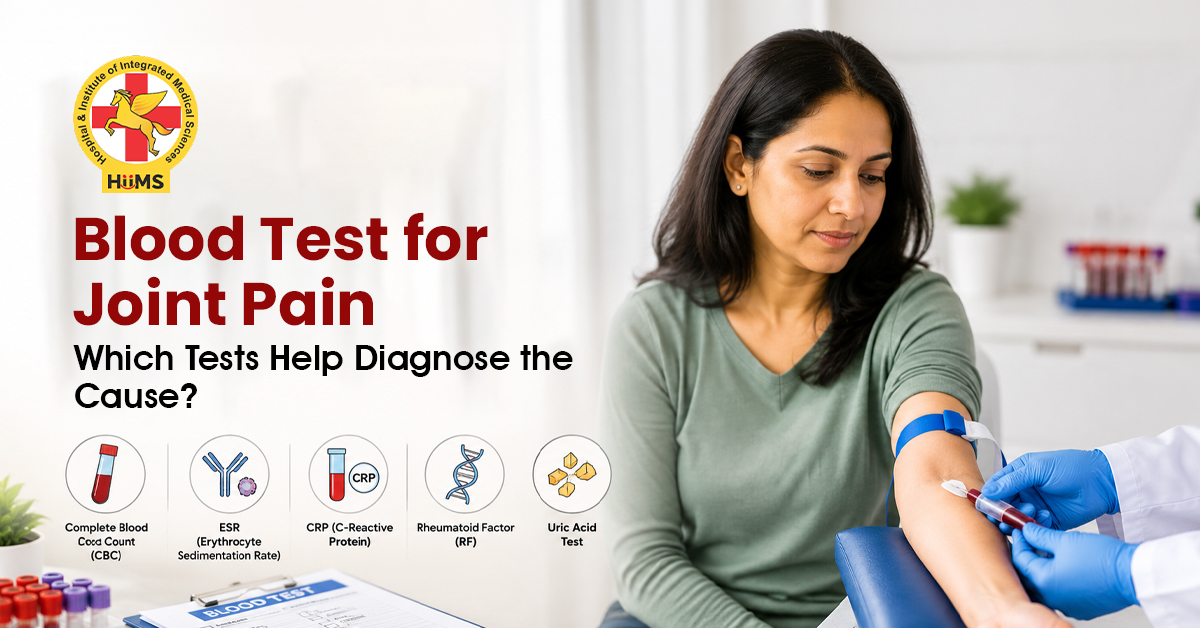
Waking up with stiff, aching joints turns simple things like wrapping your hands around a warm cup of tea into a real struggle. When your knees, fingers, or lower back throb constantly, you just want answers so you can make it stop. Getting a specific blood test for joint pain is usually the first thing a doctor will suggest.
Instead of trying to guess why you are sore, a quick lab check digs deep into your system to see whether your joints are just dealing with regular wear-and-tear or an actual inflammatory issue. Let’s look at how a joint pain blood test works and what these numbers mean for your daily routine.
Why Do You Need a Joint Pain Blood Test?
Joint aches don’t come from just one place. It could be simple ageing, an old sports injury, or your immune system acting up and attacking its own tissue. Since nobody can see inside a joint capsule just by looking at it, getting an accurate joint pain diagnosis relies heavily on lab results.
A routine blood test for joint pain tells your doctor if there are specific antibodies or hidden markers of swelling floating around your body. Finding this out early stops you from trying random remedies that don’t work and helps you pick a recovery path tailored to what your body is going through.
Top Medical Checks for a Clear Joint Pain Diagnosis
When you visit a lab, you will get a panel of checks depending on where it hurts. These are the main markers that give clear answers:
Rheumatoid Factor (RF):
This is the classic rheumatoid arthritis blood test. It looks for RF antibodies that show up when your immune system misbehaves. High numbers help tell the difference between standard wear-and-tear and chronic inflammation.
Anti-CCP:
Doctors often group this with the RF check. It is a highly specific arthritis blood test that spots early-stage joint issues before they cause worse damage.
Uric Acid:
If your pain comes on completely out of nowhere and throbs in your big toe or ankle, a uric acid test for joint pain is what you need. High uric acid creates tiny, sharp crystals in the joint, causing a painful condition called gout.
ESR:
An ESR test for joint pain tracks how quickly red blood cells sink to the bottom of a test tube. If they sink fast, it means your body is dealing with active swelling.
CRP (C-Reactive Protein):
Another core part of your blood tests for arthritis. It measures a protein your liver pumps out whenever inflammation flares up anywhere inside you.
Finding the Best Blood Test for Joint Pain
There is no single standalone check that tells the whole story. The best blood test for joint pain is usually a mix of a few different markers, like tracking an ESR test for joint pain alongside a uric acid test for joint pain. Getting this complete view keeps your care provider from missing hidden imbalances.
- Sudden toe or ankle swelling? Start with a uric acid check to rule out crystal buildup.
- Stiff hands every morning? Run an arthritis blood test panel to check your RF and anti-CCP markers.
- General aches all over? Look at basic markers like CRP and ESR to check overall systemic inflammation.
A Natural Approach: Ayurvedic Treatment for Joint Pain
Once your joint pain blood test gives you a clear target, you can look beyond standard pill bottles for relief. A lot of people find real comfort in merging lab testing with traditional healing. The goal of Ayurvedic treatment for joint pain is to bring your internal energies, particularly the Vata dosha, that controls your bones and movement, back into balance.
- Natural Herbs: Ashwagandha, Guggulu and Shallaki are some plants which work well to calm swelling and stimulate healing of joint tissues naturally.
- Change Your Diet: Reduce the amount of inflammatory foods you eat, such as refined sugar, heavy table salt, and processed dairy, to lower the swelling markers in your blood tests for arthritis.
- Waste Elimination: Gentle wellness treatments like Panchakarma help clear out accumulated metabolic waste (Ama) from joints, so you can move freely without that morning stiffness.
Conclusion
Pinpointing why your joints feel stiff and painful is the only way to get lasting relief. Instead of ignoring the ache or relying on temporary painkillers, a proper blood test for joint pain gives you the solid data needed to make smart choices. If you want to pair your lab results with a natural, holistic recovery plan, you don’t have to figure it out alone.
You can easily book an online VOPD consultation with the medical team at Jeena Sikho HiiMS Bhopal. Talking to an expert helps you look at your lab numbers from a holistic angle and guides you toward a gentle path to feeling good again.

FAQs
1) Can a standard blood test for joint pain spot osteoarthritis?
No, osteoarthritis is mostly a structural issue from wear-and-tear, so it won’t trigger an arthritis blood test. Doctors usually diagnose it with X-rays and movement checks.
2) What is the main reason for an ESR test for joint pain?
An ESR test for joint pain is used to see how much active swelling is inside your system. High numbers tell the doctor your immune system is actively fighting an inflammatory issue.
3) What does a high score on a rheumatoid arthritis blood test mean?
A high marker means your body is making specific autoantibodies. This helps confirm a joint pain diagnosis linked to an autoimmune response.
4) How does a uric acid test for joint pain affect my treatment?
It measures how much waste product is in your blood. If it gets too high and forms crystals in your joints, then you need to change your diet to stop gout attacks.
5) Can I take an ayurvedic treatment for joint pain along with my regular medicines?
So if your joint pain blood test finds the root cause, yes simple natural steps and diet changes make great supportive care.
Disclaimer: The information provided on this blog is for general educational and informational purposes only. It is not intended to replace professional medical advice, diagnosis, or treatment. Always consult a qualified healthcare professional before making any changes to your diet, lifestyle, or treatment plan. Individual results may vary.