
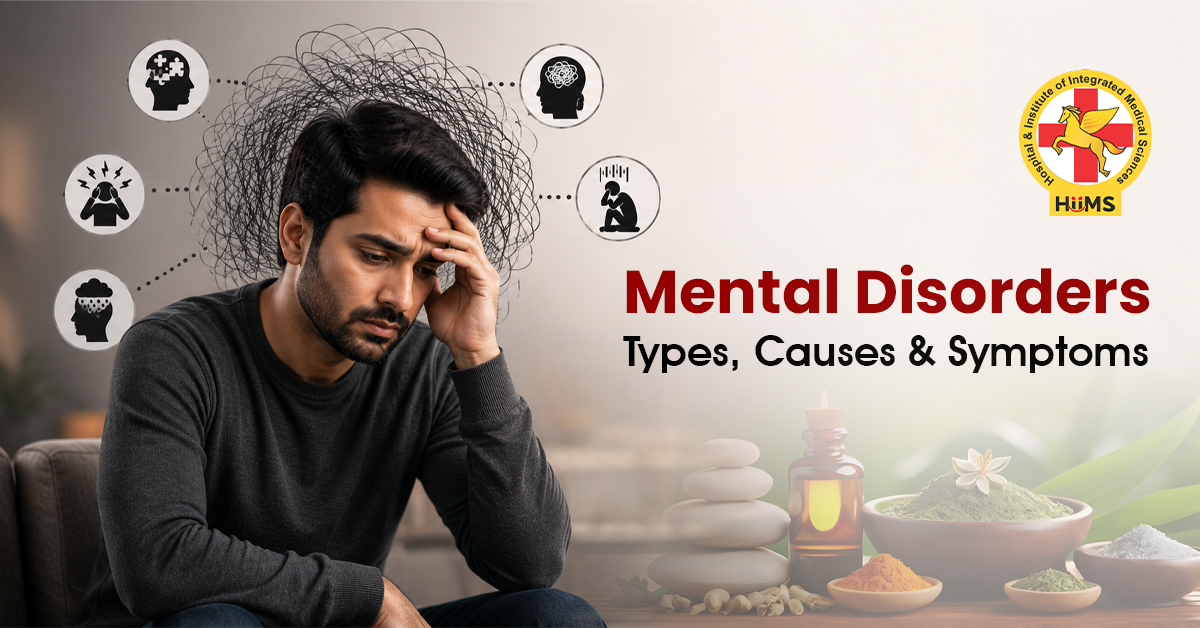

We talk a lot about staying healthy, but almost all of that talk focuses on physical stuff like keeping your weight down, hitting the gym, or recovering from a broken bone. Your mind needs just as much attention as your body, though. Let’s be real: What is a mental disorder when you strip away the heavy medical talk? It is a health condition that alters how you think, process your emotions, and manage your daily routine.
Going through a rough patch like this can make you feel completely cut off from everyone, but you should know you aren’t the only one out there. Millions of people live with different mental disorders types every day. Learning about these struggles without judging yourself or anyone else is always the first real step to finding some peace of mind.
What is a Mental Disorder and What Are the Different Forms?
A mental health issue isn’t a personal flaw, and it definitely doesn’t mean you are weak. It is a genuine medical condition that shifts how your brain chemistry works, messes with your mood, and changes how you look at the world around you. Because no two brains are wired the exact same way, the various mental disorders types can look completely different from one person to the next.
Here are the main categories people face:
Anxiety Issues:
This covers things like constant panic attacks, deep social fears, or general everyday anxiety. People dealing with this live with a heavy, non-stop worry about normal situations that just won’t leave them alone.
Mood Struggles:
Conditions like deep depression or bipolar disorder belong in this category. They bring on massive, unpredictable shifts in your emotional state, leaving you feeling totally empty and low, or sometimes unusually hyper for weeks.
Perception Shifts:
Illnesses like schizophrenia completely change how someone experiences reality. It can make them see or hear things that are not really there or it can make their thoughts very mixed up and confusing.
Personality Problems:
These are rigid, uncomfortable ways of thinking and acting that make it really tough to maintain relationships with family, friends or co-workers.
Eating Problems:
Anorexia, binge-eating and similar conditions are characterised by serious, painful disturbances in the way someone views meals, handles food and worries about their body weight.
What Triggers These Challenges? Mental Disorder Causes
You can never point to just one single thing and say it caused a mental health issue. Most of the time, mental disorder causes are a big mix of different things piling up over a long period.
- Brain Chemistry Imbalances: Mental health struggles can just run in your blood. If a parent, brother, sister or close relative has had these problems, the chances of you having them may be somewhat higher.
- Family Genetics: Mental health struggles can be in your bloodstream. If a parent, brother, sister or close relative has had these problems, the chances of you having them may be somewhat higher.
- Childhood Trauma: Experiencing extreme stress, emotional neglect, abuse or the loss of a loved one as a child can alter the way your brain processes difficult emotions for the rest of your life.
- Your Daily Environment: Living in a highly stressful home, constantly worrying about money, or facing regular discrimination can also act as a major mental disorder causes.
Signs to Watch For: Mental Disorder Symptoms
Since your brain runs everything you do, mental disorder symptoms don’t just stay locked inside your head. They show up very clearly in your daily actions, your energy levels, and even your physical body.
Keep an eye out for these common warning signs in yourself or anyone you care about:
- A Low Mood That Won’t Go Away: Feeling down for a couple of days is normal, but when a heavy, dark mood stays for weeks without clearing up, it is a sign to pay attention.
- Sudden Energy Swings: Bouncing from total exhaustion and sadness to sudden, restless energy without any logical reason.
- Friends and family being cut off: You may suddenly find yourself dropping your favourite hobbies, avoiding social gatherings or wanting to stay in your room all the time.
- Sleep and Eating Disruptions: Finding it impossible to fall asleep, sleeping all day long, completely losing your appetite, or eating constantly because of stress.
- Unexplained Body Pains: Dealing with constant headaches, a nervous stomach, or muscle aches that have no clear physical medical cause.
Recognising these mental disorder symptoms early gives you a much better chance to fix things before your daily life and work get completely derailed.
Finding the Right Path for Mental Disorder Treatment
Living with a mental health struggle can make you feel completely disconnected from the world, but there are highly practical ways to heal. A good mental disorder treatment plan focuses on calming your nervous system, fixing internal imbalances, and giving you real-life tools to cope.
Talking Things Out:
Sitting down with a counsellor or professional guide helps you make sense of your thoughts, spot negative habits, and learn simple ways to handle tough days.
Simple Lifestyle Adjustments:
So getting sunlight, moving your body gently every day and switching to clean, whole foods can naturally help stabilise your brain chemicals.
Lowering Internal Stress:
Simple habits like slow breathing exercises or regular grounding outside can take your nervous system out of a constant state of panic.
Learning about mental disorders types helps us see that the mind can heal just like a physical injury. Taking care of your mind is a normal part of life, and asking for a helping hand is a sign of courage.
Conclusion
Your mental health is just as important as your physical health. If you’re experiencing constant shifts in your mood, sleep or your daily peace of mind, remember that you don’t have to carry that weight alone. You might want to seek an expert opinion in order to get a true picture of what your body and mind are experiencing.
You can easily book a VOPD consultation with the doctors at Jeena Sikho HiiMS. Speaking with an expert can help you understand your unique constitution and set you on a clear, simple path toward lasting health and peace.

FAQs
1) Can mental health conditions be managed, or are they permanent?
Most mental disorders types are highly manageable. With the right lifestyle changes, regular habits, and proper support, people live happy, peaceful lives.
2) How do I know if my anxiety is just normal stress or a real problem?
Normal stress goes away once a tough situation ends. If your anxiety stays for weeks and stops you from sleeping, working, or eating, it is time to look into it.
3) Can eating poor food count as one of the mental disorder causes?
A bad diet high in processed sugar does not cause a disorder on its own, but it creates internal inflammation that can make anxiety and depression feel much worse.
4) What is the best way to help a friend showing severe mental disorder symptoms?
The best thing you can do is listen to them without any judgment, offer a safe space, and gently help them connect with a professional counsellor.
5) Can everyday lifestyle changes really replace professional mental disorder treatment?
For mild, early-stage emotional stress, lifestyle shifts work incredibly well. For severe or deeply rooted issues, they act as an excellent support system alongside therapy.