
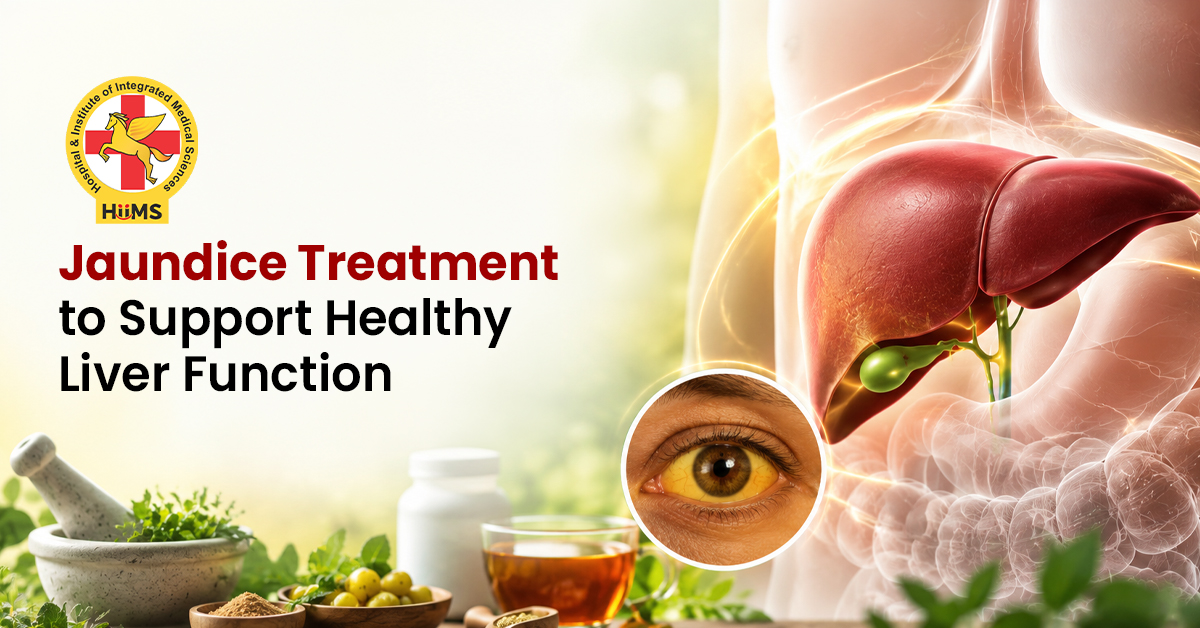

Jaundice is a condition in which the skin and the white part of the eyes slowly turn yellow. In many people, the urine may also become darker than it normally is. This happens because bilirubin, a yellow coloured substance in the body, starts building up when the liver is not able to perform its work properly. Jaundice treatment should always begin by finding out why this is happening. Since jaundice itself is not a disease, treating only the yellow colour does not really solve the problem. The liver needs proper attention so that the actual cause can be managed.
Along with the professional care, simple habits like eating light food, drinking enough water, and taking proper rest may help the body recover better. Many people also look towards natural ways of caring for the liver because they focus on overall wellbeing. Jeena Sikho HiiMS is a jaundice hospital in Agra offering an Ayurvedic approach including diet guidance, lifestyle changes and traditional therapies according to the condition of the patient.
What Is Jaundice?
Jaundice is not a disease by itself. It is a sign that bilirubin has increased in the blood. Bilirubin is made when the worn-out red blood cells break down, and under normal conditions the liver removes it through bile. Sometimes the liver cannot process bilirubin efficiently, and in some cases bile is unable to pass normally. As its level rises, the skin and the white part of the eyes gradually turn yellow.
Jaundice may be seen in newborn babies, adults, and elderly people alike. Since the causes are different, the care required also differs from person to person.
Common Reasons Behind Jaundice
Understanding jaundice causes is important because treatment depends on the underlying condition. Some of the common causes include,
- Viral infections such as hepatitis
- Fat accumulation in the liver
- Excessive alcohol consumption
- Gallstones that block the bile ducts
- Certain medicines that affect liver function
- Liver inflammation or damage
- Blood-related disorders that increase the breakdown of red blood cells
Finding the exact cause through proper evaluation helps doctors decide the most suitable care plan.
Jaundice Symptoms You Should Not Ignore
The early signs of jaundice may appear slowly or suddenly depending on the cause. Knowing jaundice symptoms can help people seek medical advice without delay.
Some signs that are commonly seen are,
- Yellowing of the skin and eyes
- Dark-coloured urine
- Pale or clay-coloured stools
- Feeling tired most of the day
- Reduced appetite
- Nausea or occasional vomiting
- Mild fever in some people
- Discomfort or pain in the upper part of the abdomen
- Itching that does not seem to go away
If these changes stay for a few days or start becoming worse, it is better to consult a doctor instead of waiting for them to settle on their own.
Ayurvedic Approach to Jaundice Care at Jeena Sikho HiiMS Agra
At Jeena Sikho HiiMS Agra, Ayurvedic jaundice treatment is approached by looking beyond yellowing of the skin or eyes. In Ayurveda, liver health is understood by considering a person’s overall condition, daily routine, eating habits and body constitution. After studying these factors, the experts prepare a care plan that suits the individual’s needs instead of following a fixed method for everyone.
Herbal Support for Liver Health
Ayurvedic herbs have been part of traditional wellness practices for many years. Depending on the individual’s assessment, herbs such as Bhumyamalaki, Kutki, Kalmegh, Giloy and Punarnava may be considered as part of the overall approach.
Some points worth knowing are,
- Herbs are suggested only after an Ayurvedic consultation.
- The combination is not the same for every person.
- The intention is to support healthy liver function naturally.
- Self-medication should be avoided, and herbs should be taken only under qualified Ayurvedic supervision.
Personalised Diet and Lifestyle Guidance
Food habits and daily routine are given equal importance in Ayurveda. A person’s age, health condition and digestive strength are usually considered before any suggestions are made.
The advice may include,
- Eating simple, freshly prepared meals.
- Staying well hydrated during the day.
- Limiting alcohol and the processed foods.
- Giving the body enough rest.
- Following a routine recommended by the Ayurvedic expert.
Holistic Liver Care
Looking after the liver often calls for regular care instead of temporary changes. At Jeena Sikho HiiMS, the liver disease treatment is planned according to individual health needs.
This may include,
- Individual Ayurvedic consultation.
- Diet and lifestyle guidance according to the personal needs.
- Ayurvedic therapies, such as Panchakarma for jaundice, will be included when considered suitable.
- Following an appropriate daily routine.
This approach focuses on supporting liver health through personalised Ayurvedic care while encouraging healthier lifestyle choices.
Jaundice Treatment for Different Age Groups
The care for jaundice is not the same for every person. Things like age and general health often make a difference in deciding what kind of care may be more suitable.
Jaundice Treatment for Adults
Jaundice treatment for adults usually begins with identifying the reason behind liver dysfunction. Doctors may suggest dietary changes, regular monitoring, and lifestyle changes depending on the person’s condition. Managing the root cause is considered the most important part of recovery.
Jaundice Treatment for Children
Jaundice treatment for children is not the same for every child because the reason behind the condition can be different. In very young babies, it often settles with proper care and regular checkups. Older children may need a doctor’s advice to understand why it has happened. It is always better for parents to avoid trying remedies on their own and seek the proper guidance.
Foods to Include and Avoid During Jaundice
When someone is dealing with jaundice, simple home-cooked food is usually the first choice. Fresh fruits, green vegetables, whole grains, moong dal, vegetable soups, and enough water are often included in everyday meals.
At the same time, fried foods, packaged snacks, sugary drinks, alcohol, and very spicy or heavy meals are generally avoided because they are not considered a good part of this eating pattern.
When Should You Visit a Doctor?
Do not ignore jaundice if you notice yellow eyes or skin along with the other symptoms. Medical consultation becomes even more important if,
- Yellow colour continues to increase
- High fever develops
- Severe stomach pain occurs
- Vomiting becomes frequent
- Confusion or excessive sleepiness appears
- The person already has liver related illness
Early diagnosis and timely jaundice treatment can help prevent complications and support better liver health.
Conclusion
Looking after the liver is a part of looking after your overall health. When jaundice develops, it is always better to understand the reason behind it instead of waiting for it to settle on its own. A proper jaundice treatment should be followed with patience, along with healthy eating habits and a balanced daily routine. Sometimes these simple things are easy to overlook, but they do matter.
If you are looking for jaundice treatment in Agra at Jeena Sikho HiiMS, experienced Ayurvedic doctors are available to provide the personalised guidance according to your needs. You can also use the VOPD consultation service to connect with the experts from the comfort of your home.

FAQs
1. Is jaundice a disease?
No, jaundice is not a disease by itself; it is a sign that the liver needs attention.
2. What causes jaundice in adults?
Jaundice in adults is usually caused by hepatitis, fatty liver, alcohol use, gallstones, or the certain medicines.
3.What are the early signs of jaundice?
Yellow skin, yellow eyes, dark urine, and tiredness are usually the first signs people notice.
4. Can Ayurveda help with jaundice?
Yes, Ayurvedic jaundice treatment focuses on supporting the liver naturally through herbs, diet, and lifestyle guidance.
5. Are Ayurvedic herbs safe for the liver?
Ayurvedic herbs are considered safe when taken under proper supervision after a qualified consultation.