

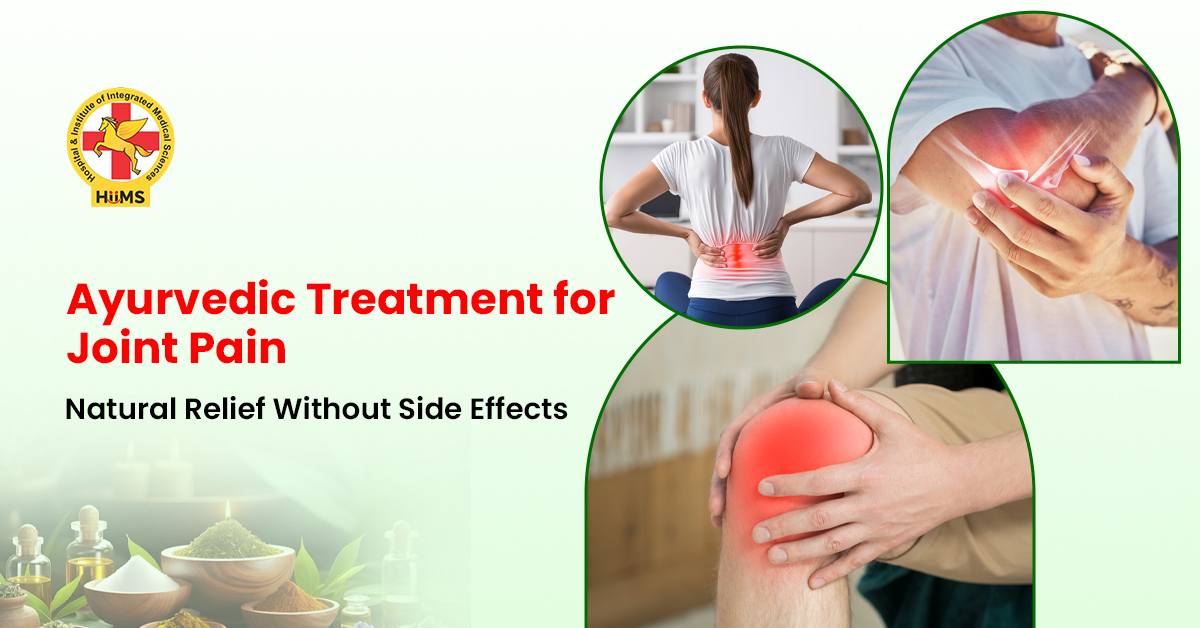
Joint pain is common today due to lifestyle changes, including continuous sitting, processed foods, limited exercise, and ongoing stress, which all impact joint health over time. A small stiffness on standing or a little hesitation while climbing steps may seem minor, yet those early signals often point to patterns that, if not managed early at the right time, can grow into larger restrictions on movement.
Painkillers normally provide fast relief but usually do not address why the pain started, so the problem returns. Choosing steady and gentle care that supports the body’s own repair process helps improve movement while avoiding additional risks.
In this blog, we discuss simple causes, clear warning signs, and practical steps you can try at home, while also outlining how Ayurvedic treatment for joint pain and related natural approaches aim for lasting comfort without side effects.
Understanding Joint Pain Before Choosing Any Treatment
When a joint begins to react to motion, the problem usually starts with reduced lubrication, tight muscles, or mild inflammation that develops with certain movements. Poor posture, long periods of sitting, any past injuries, or simple damage from repeated tasks can push a joint into a pattern of pain and stiffness.
Finding those early signals helps; the morning stiffness, small swelling, or unease while bending are clues that the body needs attention.
Why Natural Treatment For Joint Pain Is Gaining Attention
Many people now prefer natural treatment for joint pain because it seeks to ease discomfort without causing side effects. Fast-acting medicines may cut pain quickly because of chemicals, but they sometimes leave the root cause unaddressed, so symptoms return. Natural treatment for joint pain works to bring balance back to the body, supports better digestion and blood flow, and helps the joints stay nourished so the relief feels steady and long-lasting.
Understanding Joint Pain Before Choosing Any Treatment
In treatments that include natural methods and Ayurveda, doctors often link joint discomfort to dryness and toxin build-up that limits circulation and lubrication. This view highlights the need to improve digestion and reduce internal waste so joints can receive better nourishment. When someone consults an Ayurvedic doctor for joint pain, the therapies are adjusted to match that person’s body type and everyday routine, which often leads to better results over time.
Ayurvedic Treatment for Joint Pain: A Natural and Balanced Approach
The goals here focus on easing stiffness, reducing swelling, and strengthening the tissues around joints. Herbal treatment for joint pain uses specific plant extracts and gentle internal tonics to reduce inflammation and support repair, while external oil applications supply local nourishment. Taken together, these steps help the joint regain smoother movement.
Panchakarma for Joint Pain: Cleansing and Rejuvenation
When underlying toxins influence stiffness, targeted cleansing can help. Panchakarma for joint pain includes therapies that remove accumulated waste and support natural healing. Then, along with Ayurvedic Therapies such as Kati basti, Prishth basti, Janu basti, Greeva basti, and Potli swedana, both to relax tight muscles and to improve nutrient flow to sore areas, making later strengthening work more effective.
Ayurvedic Therapies That Support Joint and Back Comfort
Localised treatments, warm herbal oils, concentrated massages, and supervised heat therapy assist mobility and reduce discomfort. For people seeking back pain Ayurvedic treatment, specific oil massages and stretching can ease nerve tension and reduce muscle guarding. Regular, guided sessions help maintain flexibility without harsh interventions.
Daily Habits That Help Joints Stay Comfortable
Over time, small daily habits start helping more than people expect — eating freshly cooked warm food that is easy to digest, moving the body through short walks and light stretching so joints don’t feel stuck, avoiding staying in one position for too long, and applying a little warm oil with the hands to keep blood flow active around the joints. These patterns support therapies, reinforce herbal treatment for joint pain, and prevent recurrence and maintain mobility.
When to Consult an Ayurvedic Doctor for Joint Pain
Persistent pain, growing difficulty in daily tasks, or repeated swelling are signs to seek professional advice. Early consultation with a trained practitioner allows a safe, personalised plan that blends Ayurvedic treatment for joint pain in agra with practical daily changes.
Conclusion
Moving away from quick fixes toward steady, natural care can change how you live day to day, and it does not demand dramatic steps. With balanced routines, guided therapies, and sensible herbal support, many people regain comfort and confidence in movement. If stiffness or swelling keeps coming back again and again, it becomes important to look for a personalised plan that takes digestion, daily habits, and suitable local therapies into account. When the plan is made carefully, Ayurvedic treatment for joint pain usually helps the body improve slowly over time and supports healing in a gentle way, without creating extra problems or uncomfortable side effects.
To explore safe, tailored options and begin a recovery path, call Jeena Sikho HiiMS Agra at +91 82704-82704 or email care@jeenasikho.com for an assessment.
FAQs
1. How soon can someone expect improvement with natural care?
Improvement often appears over weeks when therapies and daily habits are followed consistently.
2. Will simple home practices really make a difference?
When warm oil massage is done regularly, along with gentle body movement and improved digestion, stiffness often starts to reduce, and the overall treatment begins to support the joints in a better way.
3. Is a personalised assessment necessary before starting herbal remedies?
A proper personal check allows the doctor to choose herbs and therapies according to individual needs, so the care feels suitable and does not turn out ineffective or mismatched for the person.
4. Can cleansing therapies help long-standing stiffness?
When cleansing is done properly, it can help blood flow move more freely and allow the muscles and joints to respond better when strengthening exercises or supportive therapies are started.
5. How does lifestyle change tie into professional care?
Daily habits support clinical therapies and help maintain gains, reducing the chance of recurrence.
Disclaimer: The information provided on this blog is for general educational and informational purposes only. It is not intended to replace professional medical advice, diagnosis, or treatment. Always consult a qualified healthcare professional before making any changes to your diet, lifestyle, or treatment plan. Individual results may vary.