


Kidney disease often grows in silence. There is no sharp pain and no clear alarm. Many people feel fine while their kidneys slowly lose strength. By the time symptoms appear, the damage may already be advanced.
A community study from rural central India screened 6,278 adults across 13 villages. It found kidney disease in about 19% of people with high blood pressure. The rate was almost the same, 18.9%, among people with diabetes.
So how can you spot trouble early? This blog explains the early signs of kidney damage in plain words. It also covers who is at risk, how doctors check kidney health, and ways to protect your kidneys.
What Do Your Kidneys Actually Do?
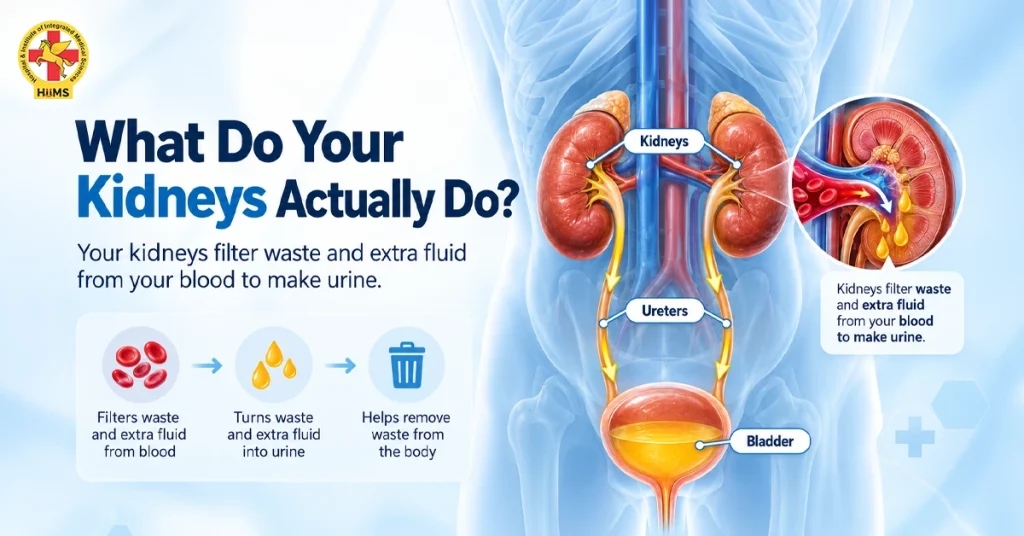
Your kidneys are two bean-shaped organs, each about the size of a fist. They sit below your ribs, one on each side of your spine. Small as they are, they handle several vital jobs every day.
Every day they filter waste and extra water from your blood. They balance minerals like sodium and potassium, help control blood pressure, and support red blood cell production. They also keep bones healthy by working with vitamin D and calcium. When these jobs slow down, the whole body feels it. So let’s look at what kidney damage actually means. Did you know? Your kidneys filter around 180 litres of fluid every day.

What is Kidney Damage?
Kidney damage means the kidneys slowly lose their ability to filter blood. Waste and fluid then build up in the body. This often happens over months or years. When it lasts for three months or more doctors call it chronic kidney disease (CKD).
The tricky part is that early damage often causes few or no symptoms. For this reason, regular check-ups matter, especially for people at higher risk.
Who is at Higher Risk of Kidney Damage?
Anyone can develop kidney disease. However some people face a higher risk. These include people with —
- Diabetes or high blood pressure
- Obesity or heart disease
- Kidney stones or frequent urinary infections
- A family history of kidney disease
- A smoking habit
- Long-term, unsupervised use of painkillers
Age also plays a role. A South Asian review found that kidney disease is more common in older age groups. Therefore, if you have any of these risk factors, ask your doctor about regular kidney tests.
10 Early Signs of Kidney Damage You Should Never Ignore
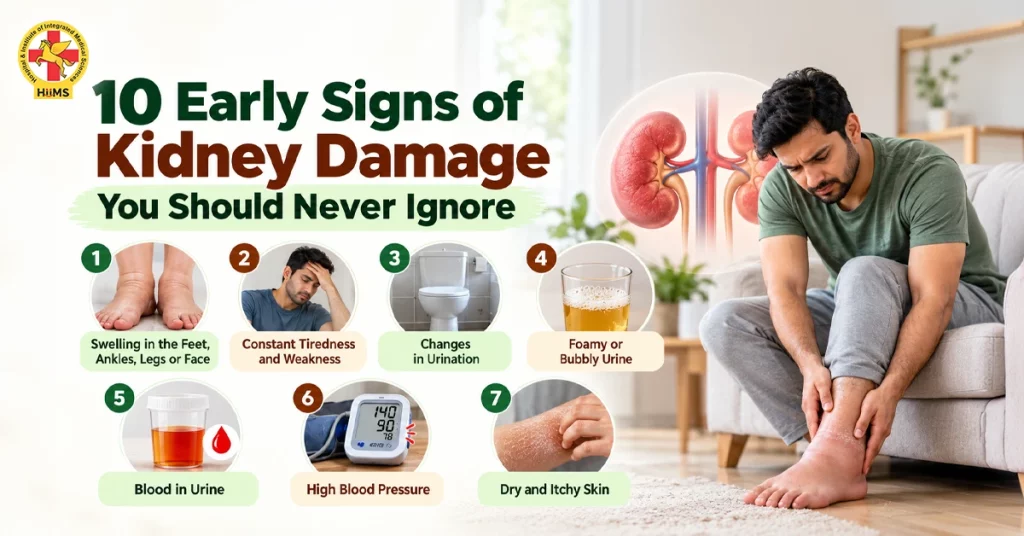
Early signs are easy to miss because they look like everyday problems. Still, patterns matter. Here are ten signs to watch.
Swelling in the Feet, Ankles, Legs or Face
Healthy kidneys remove extra water and salt. When they struggle, fluid collects in the tissues. You may notice puffy eyes in the morning or swollen feet and ankles by evening. Persistent swelling is one of the most common signs of kidney damage.
Constant Tiredness and Weakness
Damaged kidneys make less erythropoietin, a hormone that helps produce red blood cells. This can lead to anaemia. As a result, you may feel weak even after a full night’s sleep and find it hard to focus. Many people ignore fatigue, but it can be one of the early symptoms of kidney disease.
Changes in Urination
Pay attention to how often and how much you pass urine. Frequent urination, waking up several times at night, very little urine, or dark urine can all be early symptoms of kidney disease. Pain or difficulty while urinating also deserves attention.
Foamy or Bubbly Urine
Urine that looks foamy every day may mean protein is leaking out. Healthy kidneys usually keep protein in the blood. Occasional bubbles are normal. However, persistent foamy urine is one of the important kidney disease symptoms.
Blood in Urine
Blood in urine is never normal. Causes include infection, kidney stones, or kidney disease. Even if it happens just once, see your doctor.
High Blood Pressure
Kidneys help control blood pressure. When they weaken, blood pressure can rise. High pressure then harms the kidneys further. This creates a cycle that worsens over time.
Dry and Itchy Skin
When kidneys fail to balance minerals and waste, the skin may turn dry and itchy. Many causes can lead to itching, but if it persists alongside other signs, mention it to your doctor.
Poor Appetite and Metallic Taste
Waste buildup in the blood can change how food tastes. Some people lose their appetite, feel full quickly or notice a metallic taste and bad breath. These kidney damage symptoms in adults matter more when they appear together.
Muscle Cramps
Kidneys keep potassium, sodium, and calcium in balance. When these shift, cramps can happen more often. Cramps that keep returning without a clear reason need a doctor’s opinion.
Nausea and Vomiting
As kidney function falls further, waste builds up in the blood. This can cause nausea, vomiting, and a general unwell feeling. Take these seriously, especially when swelling or urine changes come along with them.
Kidney damage symptoms in adults often look like stress, ageing, or poor sleep. Because of this many people delay testing. Still, early signs of kidney damage that last or appear together deserve attention. Noticing these signs? Get your kidney health checked.

How Do Doctors Check Kidney Health?
Doctors use simple tests to check kidney function. Blood tests measure serum creatinine and estimated glomerular filtration rate (eGFR). Urine tests look for protein, blood and the albumin-to-creatinine ratio. An ultrasound or CT scan may follow when needed. Together these tests show how well your kidneys work and may point to the cause.
Standard care manages kidney problems once they are found, but it cannot bring back lost function. That is why many people also look for supportive care. Let’s look at the Ayurvedic view.
An Ayurvedic View of Kidney Health
In Ayurveda, the kidneys connect with the Mutravaha Srotas, the body’s urinary channels. Traditional theory says that poor digestion, an irregular routine, and heavy, oily food can disturb these channels. It also links built-up waste (Ama) to weak digestion (Agni). So Ayurveda treats digestion as the starting point.
That is why Ayurveda focuses on diet, daily routine, and herbs together. A practitioner first studies your body type, daily habits, and current reports. Then the plan usually stresses regular, light meals, enough sleep and rest, stress control, and less salty or packaged food.
Integrated Approach at Jeena Sikho HiiMS Clinic Patiala
Jeena Sikho HiiMS Clinic, Patiala follows an integrated approach for kidney care. It looks for the root cause. It brings together Ayurveda, Naturopathy and modern science. The clinic tries to find what puts load on the kidneys. This could be poor digestion, diet, diabetes or high BP.

What This Integrated Approach Includes
GRAD therapy: It has three parts: hot water immersion, head-down tilt and a pH-balanced diet. Hot water immersion supports circulation and helps the body relax. Head-down tilt aims to support blood flow towards the kidneys, while the pH-balanced diet helps reduce their daily load.
Panchakarma: These classical Ayurvedic cleansing procedures support the body’s natural detox process. The doctor decides the right procedure after an assessment.
Herbal support: Punarnava, Gokshura and Varuna are herbs used for kidney health. They are always given under a doctor’s supervision.
Lifestyle balance: Yoga, pranayama, good sleep and a regular daily routine help the body stay balanced and manage stress well.
What You Can Get at the Patiala Clinic
For consultation with Ayurvedic kidney care specialists in Patiala, you can visit the clinic for an OPD check-up. The doctors give personalised diet and lifestyle guidance. In addition, follow-up visits help track your progress.
Some patients need more than OPD care. If your doctor feels you need GRAD, Panchakarma or more specialised support, they may refer you to a suitable HiiMS hospital. This depends on your condition and needs. Every plan is made after an assessment. Together, the clinic and the wider HiiMS network make it easier to follow one clear plan. Want a kidney care plan built around your reports? Connect with Jeena Sikho HiiMS Clinic Patiala experts through VOPD.

Prevention: Habits That Protect Your Kidneys
Not every case can be prevented. Still, healthy habits lower the risk and support your kidneys.
- Keep diabetes and blood pressure under control.
- Drink enough water, unless your doctor has advised limits.
- Avoid salt and processed foods.
- Stay active and keep a healthy weight.
- Avoid smoking and reduce alcohol.
- Take painkillers and other medicines only as advised.
- Get regular check-ups if you are at higher risk.
Food also matters. Cauliflower, cabbage, apples, berries, garlic, and onions are common kidney-friendly choices. However, people who already have kidney disease should follow a diet plan from their doctor or dietitian, since some foods need limits.
Conclusion
Kidney disease grows quietly. Swelling, tiredness, urine changes, foamy or bloody urine, high blood pressure, itchy skin, poor appetite, cramps, and nausea are the key early signs of kidney damage. People with diabetes, high blood pressure or a family history face a higher risk. Simple tests can catch problems early, and daily habits protect the kidneys.
FAQs
1. Can kidney damage happen without pain?
Yes. Many people with early kidney disease feel no pain and have only mild symptoms. That is why regular tests matter for people at higher risk.
2. Can drinking more water cure kidney disease?
No. Enough water supports overall health but it does not cure kidney disease. The right amount depends on your condition so follow your doctor’s advice.
3. Can young adults get kidney disease?
Yes. Risk rises with age, but diabetes, inherited conditions, infections and autoimmune diseases can affect younger adults too.
4. Can Jeena Sikho HiiMS care replace my kidney medicines or dialysis?
No. HiiMS offers supportive care alongside your regular treatment. Never stop medicines or dialysis without your nephrologist’s advice.
5. What services are available at the Jeena Sikho HiiMS Patiala clinic?
The clinic offers OPD consultation, pulse and tongue assessment, diet & lifestyle guidance and Ayurvedic medicines from its in-house store.

Leave a comment