


Our eyes are exposed to dust, pollution, dirt and different microorganisms every day. In most cases, the eyes have their own defense systems to maintain their good condition.
Nevertheless, there are certain actions that make one more susceptible to infection if the eye gets hurt or the contact lenses are not treated with care.
A fungal eye infection is less common than some other types of eye infection, but it can become serious when the cornea is affected. Fungal keratitis may develop after an injury involving plant material such as a branch, leaf or piece of wood.
People who work in farming, gardening or outdoor environments may therefore need to take extra care of their eyes.
The good news is that several everyday habits can help prevent fungal eye infections. Proper hand hygiene, safe contact lens practices, protective eyewear and timely medical attention are important parts of eye infection prevention.
What Is a Fungal Eye Infection?
A fungal eye infection occurs when fungi infect a part of the eye. When the infection involves the cornea, it is called fungal keratitis. The condition may cause redness, pain, watering, blurred vision and sensitivity to light.
A fungal infection should not be confused with simple eye irritation. Irritation may settle after removing the source of discomfort, while an infection can continue to progress without appropriate care.
It is crucial to take preventive measures in case one sustains an eye injury that involves soil and plant debris. Early recognition of the symptoms and visiting a professional will also help prevent complications.
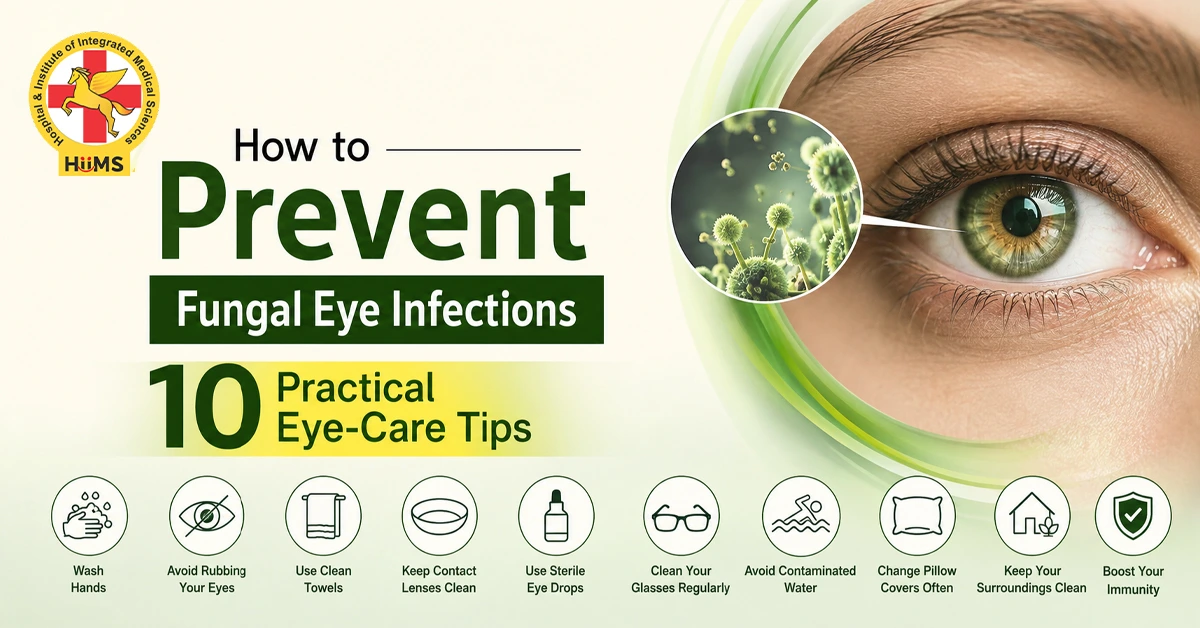
10 Fungal Eye Infection Prevention Tips
1. Wash Your Hands Before Touching Your Eyes
The surfaces that you touch on a daily basis number quite a few. It could transfer microorganisms or even irritants when you use dirty hands to touch your eyes. Wash your hands with soap and clean water before touching your eyes or applying any eye drops or handling contact lenses. Avoid rubbing your eyes as much as possible, especially when your hands are unwashed.
This is among the simplest ways of fungal eye infection prevention tips.
2. Handle Contact Lenses Carefully
Contact lenses require proper cleaning and handling. Poor lens hygiene can increase the risk of corneal infections.
Always follow the cleaning, disinfecting and replacement instructions provided by your eye care professional. Wash and dry your hands before handling lenses, and do not continue using lenses beyond their recommended replacement period.
3. Never Wash Contact Lenses With Tap Water
One important aspect of fungal keratitis prevention is keeping contact lenses away from unsuitable water sources.
Contact lenses should never be rinsed or kept in the tap water, bottled water, or saliva. Lenses can only be stored using the solution recommended for that particular type of contact lens.
Do not reuse the contact lens solution that has been previously used in the past. Pour out the solution and use fresh solution as instructed.
The lens storage case should be cleaned regularly as well as replaced as suggested by the manufacturer. Do not refill the old solution with the new solution.
4. Wear Protective Eyewear During Outdoor Work
Activities such as gardening, farming, pruning branches, and handling soil may expose your eyes to dirt and other particulate matter.
It is therefore recommended that you wear appropriate eye infection prevention such as safety glasses or goggles during these activities since your eyes might get infected from the particulate matter.
5. Take Care Around Water
Natural sources of water, like ponds and lakes, also may be home to microorganisms. Try not to open your eyes under water, especially if you are swimming in natural waters.
Swimming goggles will give you added protection. Individuals using contact lenses are advised to take into account the recommendations of their eye doctor.
6. Maintain Eye Makeup Hygiene
Eye makeup is bound to be contaminated after a period of use. Old eye makeup products like mascara, eye liner, and eyeshadow can cause more chances of eye irritation or infections.
Never share your eye makeup with other people. Dispose of old products as per the instructions by the manufacturers and do not use eye makeup when you have eye infections.
7. Protect Your Eyes After an Injury or Surgery
A hurt or recently surgically treated eye might need some special treatment during the healing period. All the instructions issued by your ophthalmologist must be strictly followed, and touching the eye undergoing treatment should not be done under any circumstance.
Oil-based substances or any other type of drops should never be used in the eye that is healing.
8. Take Plant-Related Eye Injuries Seriously
A small abrasion from leaves, branches, or wood might not sound like a big deal, but plant injury to the eyes must not be taken lightly.
In case your eye gets scratched by a plant or any wood object, do not rub it. Get help, especially if you experience increased redness, pain, tearing, sensitivity to light, and blurriness.
9. Do Not Ignore Eye Infection Symptoms
Spotting the warning signals is as crucial as preventive measures. When you experience any kind of chronic redness, eye pain, blurry vision, excessive tearing, discharge, or light sensitivity, it’s time to see an eye care professional.
Do not use leftover eye drops or another person’s medication without professional advice. Different eye conditions can have similar symptoms but may require very different care.
Early medical evaluation is therefore an important part of managing a possible fungal eye infection.
10. Maintain Cleanliness of Your Towels and Personal Objects
Do not share your towels, handkerchiefs, eye drops, cases for lenses, or any other personal objects that may come in contact with your eyes. It is advised to wash your towels and pillow cases frequently.
This can prevent exposure to microorganisms and plays a major role in preventing fungal eye infections.
Ayurvedic Eye Care at Jeena Sikho HiiMS
Ayurveda also gives importance to regular eye care, healthy daily habits, suitable nutrition and maintaining overall wellbeing.
Ayurvedic Eye Treatment at Jeena Sikho HiiMS can also involve certain conventional treatments like Netra Tarpan if found to be suitable after an expert evaluation.
Netra Tarpan is a procedure of Ayurvedic treatment whereby a specific preparation is held in the eyes for a definite period of time. It may be considered as part of an individualised approach to eye wellness and comfort.
In case one experiences any symptoms such as eye pain, redness, blurring of vision, or other symptoms that may suggest an infection, the situation should be evaluated by an ophthalmologist before any Ayurvedic treatment to the eyes can be thought about.
When Should You See an Eye Doctor?
Seek prompt medical attention if you experience:
- Eye pain or increasing discomfort
- Persistent or worsening redness
- Blurred or reduced vision
- Sensitivity to light
- Excessive watering or discharge
- Symptoms after an eye injury
- A visible abnormal spot on the eye
- Symptoms that continue to worsen
Do not wait for severe symptoms before seeking help. Conditions affecting the cornea can sometimes progress quickly and may affect vision if appropriate care is delayed.
Conclusion
In order to prevent fungal eye infections, one should concentrate on following simple and consistent eye hygiene practices.
For instance, one should wash his/her hands prior to touching their eyes, practise proper handling of contact lenses, refrain from rinsing lenses with tap water and wear protective glasses during gardening or other work with plants.
Fungal eye infection prevention tips may help minimise certain avoidable risks but cannot provide absolute safety against the infection. In case of any eye injury or development of pain, redness or vision changes, medical help should be sought.

FAQs
Q1. How can I prevent myself from contracting a fungal eye infection?
The answer lies in good hygiene, the right use of contacts, wearing glasses after an eye injury and visiting the doctor immediately after an eye injury.
Q2. Is it possible to get a fungal eye infection from tap water?
It may contain some bacteria that can infect your contact lenses, which is why you shouldn’t use tap water for rinsing them.
Q3. Could plant abrasions lead to fungal keratitis?
Yes, and that is why you need to consult the doctor immediately if you get any eye injury.
Q4. Can Netra Tarpan prevent fungal eye infection?
Netra Tarpan may be considered while practising eye care through Ayurveda. In case you are having symptoms of an infection, please contact an eye specialist for the proper assessment and treatment.
Q5. When should I see an eye specialist?
In case of any problem related to your eyes, you must see an eye specialist immediately.

Leave a comment