


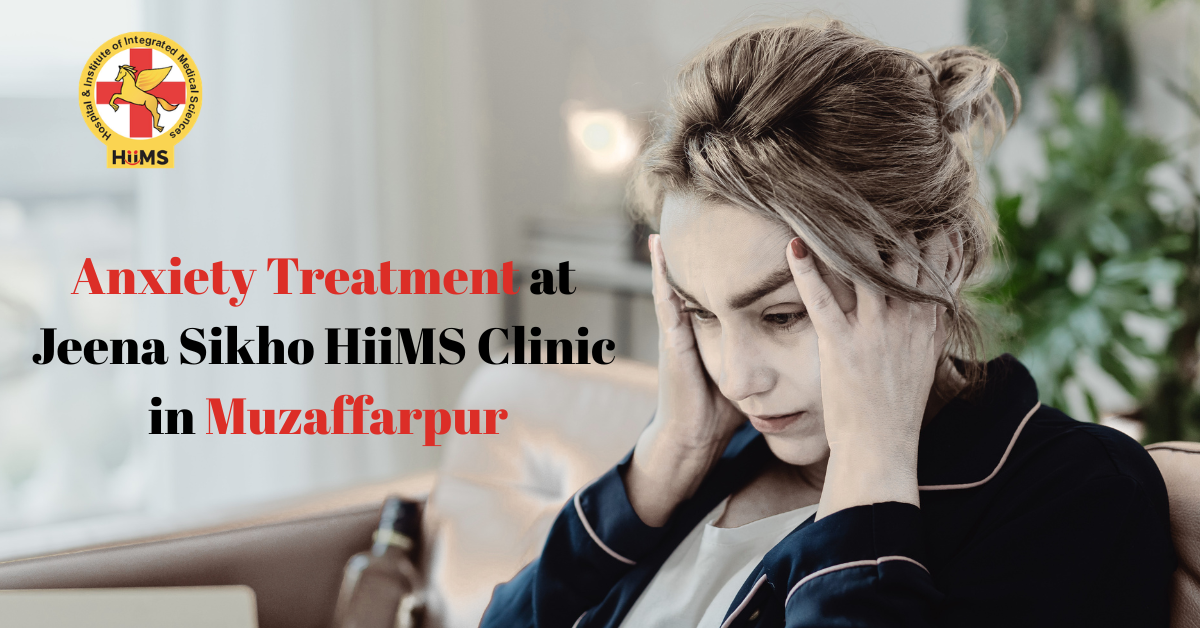
Life can sometimes feel overwhelming. Work pressure, family responsibilities, financial concerns, or personal challenges can keep your mind constantly occupied. While occasional stress is a normal part of life, there are moments when the body reacts suddenly and intensely. A racing heartbeat, difficulty breathing, dizziness, or an unexplained feeling of fear may appear even when there is no immediate danger. These can be signs of an anxiety attack.
Many people mistake these symptoms for another medical condition and may not realize that anxiety can affect both the mind and the body. Recognizing the warning signs early can help you respond calmly and seek the right support when needed.
If you are looking for anxiety treatment at HiiMS Muzaffarpur, understanding these symptoms is the first step toward better mental well-being.
What Is an Anxiety Attack?
An anxiety attack is a sudden episode of intense fear, nervousness, or discomfort that triggers physical and emotional symptoms. During an attack, the body’s natural “fight-or-flight” response becomes active, even when there is no real threat.
Although anxiety attacks usually last only a few minutes, they can feel much longer because the symptoms are often intense. Learning to recognize these episodes can help you manage them more effectively.
Why Do Anxiety Attacks Occur?
Anxiety attacks rarely happen because of a single reason. They often develop due to a combination of emotional, physical, and lifestyle factors.
Some common causes include:
- Ongoing stress and emotional pressure
- Lack of quality sleep
- Excessive overthinking
- High caffeine consumption
- Work-life imbalance
- Past traumatic experiences
- Poor lifestyle habits
Over time, these factors may overwhelm the body’s natural coping mechanisms, increasing the likelihood of anxiety attacks.
6 Common Signs of an Anxiety Attack
Recognizing these symptoms early can help you stay calm and take appropriate steps before the anxiety becomes overwhelming.
1. Rapid Heartbeat and Chest Tightness
One of the first symptoms people notice is a sudden increase in heart rate. Your heart may feel like it is beating faster or harder than usual, sometimes accompanied by mild chest discomfort.
2. Difficulty Breathing
An anxiety attack can make breathing feel shallow or rapid. Many people feel as though they cannot take a deep breath, which can increase feelings of panic.
3. Dizziness or Lightheadedness
You may suddenly feel dizzy, weak, or unsteady. Some people describe the sensation as feeling faint or disconnected from their surroundings.
4. Sweating and Trembling
Without physical activity, the body may begin sweating, especially on the palms or forehead. Trembling hands, shaky legs, or body chills are also common responses during an anxiety attack.
5. Sudden Fear or Feeling of Losing Control
A powerful feeling that something bad is about to happen may arise without any clear reason. This emotional response often makes the attack feel more frightening than it actually is.
6. Nausea or Stomach Discomfort
Stress and anxiety can directly affect digestion. During an anxiety attack, some people experience nausea, stomach cramps, bloating, or an uneasy sensation in the abdomen.
How to Calm an Anxiety Attack
When anxiety symptoms appear, staying calm is the most important step. Instead of fighting the feeling, allow it to pass while focusing on simple calming techniques.
You can try:
- Slow, deep breathing
- Sitting quietly in a comfortable place
- Grounding yourself by noticing your surroundings
- Drinking small sips of water
- Taking a short walk in a peaceful environment
- Reminding yourself that the attack is temporary
These simple techniques can help your body gradually return to a relaxed state.
Natural Ways to Reduce Anxiety and Stress
Managing everyday stress plays an important role in preventing repeated anxiety attacks.
Healthy habits that support emotional well-being include:
- Following a regular sleep schedule
- Eating a balanced and nutritious diet
- Limiting caffeine intake
- Practicing yoga and pranayama
- Going for daily walks
- Spending time in nature
- Maintaining a healthy work-life balance
- Practicing meditation or mindfulness
Small lifestyle improvements made consistently can have a positive impact on both mental and physical health.
Anxiety Treatment at Jeena Sikho HiiMS Clinic, Muzaffarpur
If anxiety attacks become frequent or begin affecting your daily routine, seeking professional guidance is important.
At Jeena Sikho HiiMS Clinic, Muzaffarpur, experienced Ayurvedic doctors take a personalized approach by understanding your health history, lifestyle, and emotional well-being before suggesting an individualized wellness plan. Along with Ayurvedic consultation, patients may receive guidance on diet, daily routine, yoga, pranayama, and natural therapies that support mental and emotional balance.
At HiiMS Muzaffarpur, the focus is on addressing the underlying causes of stress through holistic Ayurvedic care while encouraging healthier lifestyle habits that support long-term wellness.
When Should You Consult a Doctor?
You should consider consulting a healthcare professional if:
- Anxiety attacks become frequent.
- Symptoms interfere with work or daily activities.
- Sleep disturbances continue for a long time.
- You constantly feel nervous or fearful without a clear reason.
- Anxiety causes you to avoid social interactions or daily responsibilities.
Early consultation can help you understand your symptoms and receive appropriate guidance before they begin affecting your quality of life.
Conclusion
Anxiety attacks can feel overwhelming, but recognizing the symptoms early and making healthy lifestyle changes can help you manage them more effectively. Combining stress management techniques with timely professional guidance can support overall mental well-being.
If you are looking for anxiety treatment at Jeena Sikho HiiMS Clinic, Muzaffarpur, you can consult experienced Ayurvedic doctors for personalized guidance based on your individual health needs. HiiMS Muzaffarpur also offers Video OPD (VOPD) consultations and in-person appointments, making it easier to begin your journey toward better mental wellness.

Frequently Asked Questions
1. What are the early signs of an anxiety attack?
Common early signs include a rapid heartbeat, shortness of breath, dizziness, sweating, trembling, and sudden feelings of fear or nervousness.
2. How long does an anxiety attack usually last?
Most anxiety attacks peak within a few minutes, although some symptoms may take a little longer to settle.
3. Can anxiety attacks happen without an obvious trigger?
Yes. Anxiety attacks can occur unexpectedly, even when there is no clear stressful situation or immediate danger.
4. Can Ayurveda support people experiencing anxiety?
Ayurveda focuses on promoting overall mental and physical balance through personalized lifestyle guidance, dietary recommendations, yoga, pranayama, and natural wellness practices.
5. Where can I find anxiety treatment at the Muzaffarpur clinic?
You can visit Jeena Sikho HiiMS Clinic, Muzaffarpur, to consult experienced Ayurvedic doctors who provide personalized guidance, lifestyle recommendations, and holistic wellness support for managing anxiety and stress.