

Fatty liver is no longer something people hear about only after a major liver problem appears. Many people first learn they have extra fat in the liver after a routine blood test or an ultrasound. The finding can be confusing, especially for someone who drinks little or no alcohol and wants answers.
The liver handles nutrients, helps process fats and sugars, and performs many functions that keep the body working. When the body regularly receives more energy than it can use, or when conditions such as insulin resistance affect metabolism, fat can start collecting in liver cells. Alcohol can also play a separate role.
So, what are the main fatty liver causes, and which everyday habits or health conditions make the problem more likely? This blog explains the major causes and fatty liver risk factors in simple terms, along with an Ayurvedic philosophy of liver health.
What Is Fatty Liver Disease?
The liver naturally contains a small amount of fat, but the problem starts when too much fat collects inside liver cells. Fatty liver is not one single condition with one single cause. In many people, it is linked with metabolic health, while regular heavy alcohol use can lead to alcohol-associated fatty liver.
This distinction is important because a person does not have to drink alcohol to develop fatty liver. Weight, blood sugar, blood fats, food habits, movement and genetic factors can all influence a person’s chances of developing it.
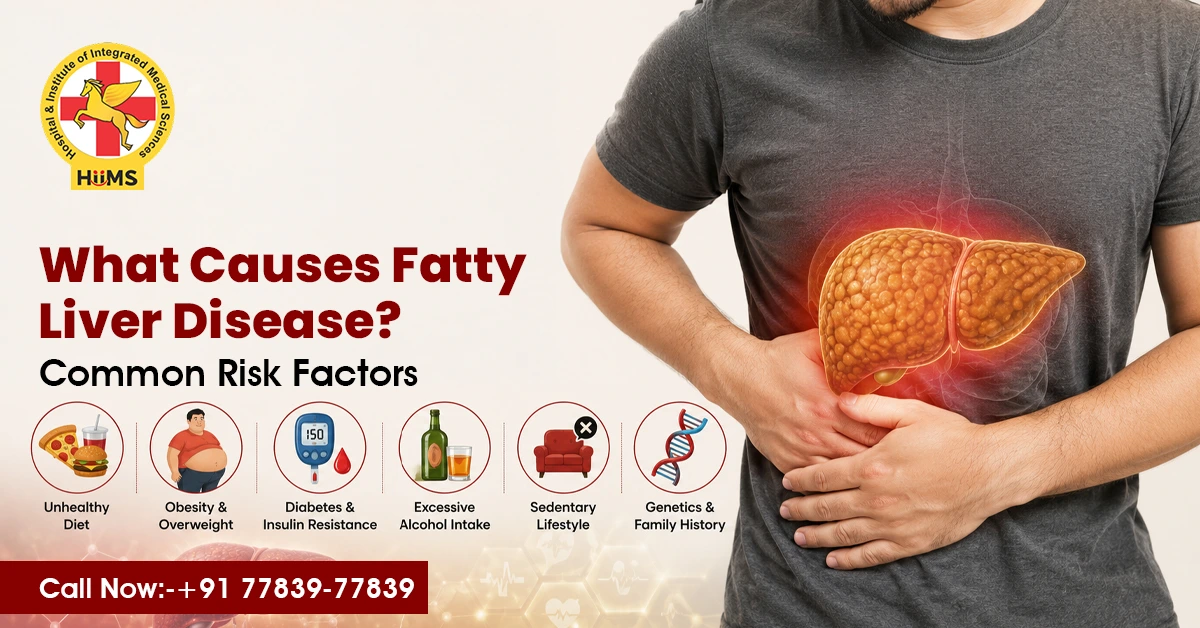
What Causes Fatty Liver Disease?
There is usually more than one explanation. The body is constantly processing food, storing energy and moving nutrients into the places where they are needed. When this balance is affected over time, excess fat may collect in the liver.
Here are some of the important causes of fatty liver to understand.
1. Excess Weight, Especially Around the Waist
Carrying excess body fat can increase the likelihood of fat building up in the liver. A larger waist size is particularly relevant because it often goes along with other metabolic changes, including insulin resistance and unhealthy blood-fat levels.
This does not mean that every person with fatty liver is overweight. Some people with a normal-looking body size can also develop the condition, which is why weight alone cannot explain every case.
2. Insulin Resistance and Type 2 Diabetes
The body relies on insulin to move sugar from the blood into cells, where it can be used for energy. When the cells respond poorly to insulin, this process becomes less efficient. Over time, the resulting metabolic imbalance can be linked with excess fat stored in the liver.
Type 2 diabetes, particularly when it occurs alongside excess weight or other metabolic changes, is therefore one of the important fatty liver risk factors doctors consider.
3. High Sugar and Unbalanced Eating Habits
Food choices can become part of the story when sugary drinks, sweets, refined foods and highly processed meals appear too often in the daily diet. Regularly taking in more energy than the body needs can make it easier for excess energy to be stored as fat.
Research has also examined the link between high fructose intake and fatty liver, particularly from sweetened drinks and foods containing added sugars.
The point is not to blame one food. Rather, it is the overall eating pattern that is important when looking at the reasons for fatty liver.
4. Lack of Physical Activity
A day spent mostly sitting at a desk, travelling by car and then resting at home leaves little room for physical movement. When this becomes a long-term routine, the body may have more difficulty managing energy, weight and metabolic health.
5. High Triglycerides and Cholesterol
Blood fats also deserve attention. High triglycerides and abnormal cholesterol levels often occur alongside other metabolic problems and are recognised among the fatty liver risk factors associated with non-alcohol-related fatty liver disease.
6. Alcohol Consumption
Alcohol can cause fat to build up in the liver, particularly when it is consumed heavily over time. This form of liver disease has a different underlying cause from metabolic fatty liver, although a person can have more than one contributing factor.
Common Fatty Liver Risk Factors You Should Know
The earlier causes show how fatty liver can develop, but several factors can make a person more likely to face the problem. These fatty liver risk factors often combine rather than appearing separately.
Lifestyle-Related Risk Factors
Long sitting hours, little physical activity, frequent sugary drinks, highly processed foods, excess calorie intake and increasing waist size can all form part of the overall picture. These habits may also contribute to weight gain and metabolic changes over time.
Health-Related Risk Factors
Type 2 diabetes, insulin resistance, high triglycerides, abnormal cholesterol, high blood pressure and metabolic syndrome are important health-related fatty liver risk factors. Having several of these together can raise the likelihood further.
Other Factors That Can Play a Role
Genes can influence a person’s tendency to develop fatty liver. Certain medicines, rapid weight loss, malnutrition and some rare medical conditions can also lead to fat accumulation in the liver. These causes are less common, but they have significance when the usual explanations do not fit.
Can Fatty Liver Happen Even Without Alcohol or Obesity?
This is one of the most common points of confusion. A person can develop fatty liver without drinking heavily and without having obvious obesity. Metabolic health, food habits, physical activity, genetics and other individual factors can still influence the risk.
That is why looking only at body weight can sometimes miss the bigger picture. If a fatty liver appears on a scan, it is worth discussing the possible underlying factors with a doctor instead of assuming there must be one obvious cause.
What Does Ayurveda Say About Fatty Liver?
Ayurveda looks at health through the relationship between digestion, food, daily routine and the body’s individual constitution. In this traditional view, Agni refers to the digestive and metabolic fire, while Pitta and Kapha are two of the three doshas involved in maintaining balance in the body.
From an Ayurvedic perspective, disturbed digestion and an unsuitable routine may be considered while understanding liver health. Concepts such as Ama, which refers to improperly processed waste in Ayurvedic thought, may also be discussed as part of an individual’s assessment.
This approach does not mean that every case has the same explanation or that Ayurvedic concepts replace medical testing. Instead, Ayurveda can look at the person’s diet, routine, digestion and overall health alongside appropriate medical diagnosis.
How Jeena Sikho HiiMS Ludhiana Approaches Liver Health
At Jeena Sikho HiiMS ludhiana, liver health can be looked at through an integrated approach that brings together Ayurveda, diet, lifestyle and modern medical diagnosis. Rather than focusing on one symptom alone, the objective is to understand the person’s wider health picture and the factors that may be affecting it.
For someone concerned about fatty liver, this can include discussing food habits, daily routine, metabolic health and existing health concerns with qualified doctors. Medical tests and imaging may also be used when required to understand the liver’s condition.
Conclusion
Fatty liver does not usually come from one habit alone. The fatty liver causes may include excess weight, insulin resistance, type 2 diabetes, unhealthy blood fats, low physical activity, certain eating patterns, alcohol and other medical factors. Understanding these reasons for fatty liver can help you notice where your health routine may need attention.
If you have fatty liver or concerns about your liver, do not rely on symptoms alone. An assessment can help identify causes and guide the next steps. You can opt for a VOPD (online video consultation) with expert doctors at Jeena Sikho HiiMS and discuss your concerns from home.

FAQs
Q1: What is the main cause of fatty liver disease?
Fatty liver can develop from several factors, including metabolic changes, excess weight, insulin resistance, certain eating patterns and alcohol use.
Q2: Can a person get fatty liver without drinking alcohol?
Fatty liver can occur without alcohol because metabolic health, diet, physical activity, genetics and conditions such as diabetes can also play a role.
Q3: Does eating too much sugar cause fatty liver?
A diet regularly high in added sugars, especially from sweetened drinks and processed foods, may increase the risk of fat accumulation in the liver.
Q4: Can a thin person develop fatty liver?
People with a normal body weight can also develop fatty liver, particularly when genetic or metabolic factors are present.
Q5: Which doctor should I consult for fatty liver?
A qualified doctor can assess your symptoms, medical history and test results and advise whether further liver evaluation or specialist care is needed.