

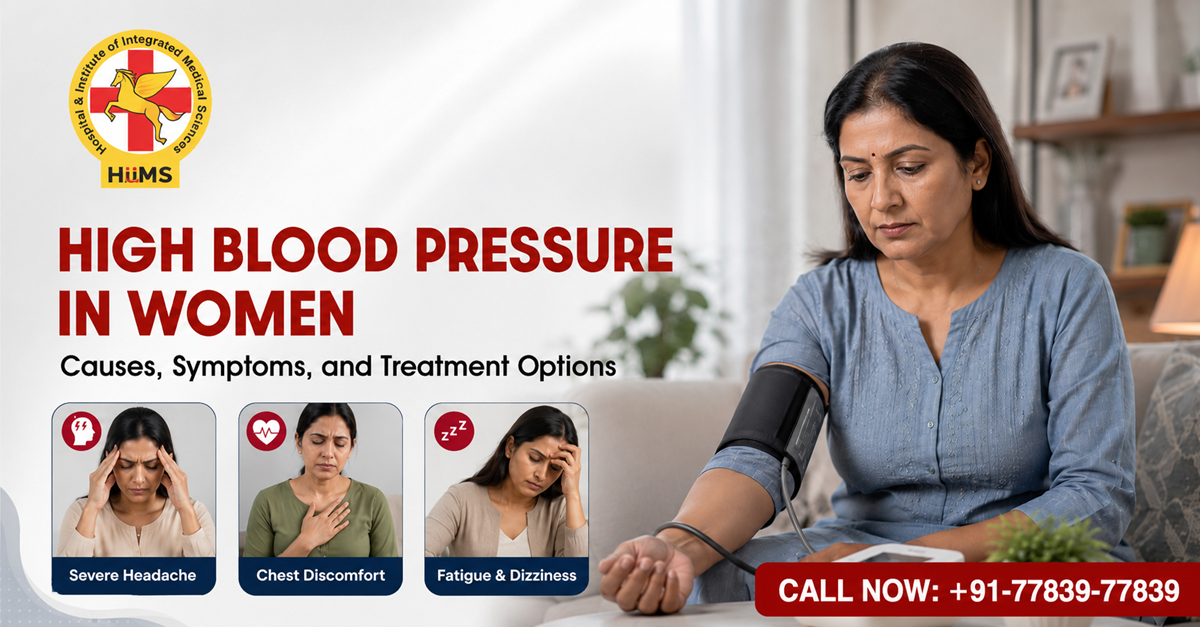
High blood pressure in women is becoming a common health concern across different age groups. Earlier, it was often linked with older adults, but today even young women may develop it because of stress, unhealthy eating habits, lack of physical activity, hormonal changes, and poor sleep. In many cases, blood pressure stays high for a long time without showing clear warning signs. This is why it is often called a silent condition. If ignored for a long period, it may affect the heart, kidneys, brain, and eyes. Regular blood pressure checks and healthy lifestyle choices can help in early detection and better management.
Ayurveda gives importance to the balance of the whole body rather than focusing only on blood pressure values. They also consider habits, diet and mental wellbeing important. At Jeena Sikho HiiMS Clinic Ludhiana, the approach combines Ayurvedic therapies with simple lifestyle improvements that suit the individual. Better understanding of the condition allows women to take timely steps for their health.
What Is High Blood Pressure in Women?
Blood pressure is basically the force with which blood pushes through our blood vessels as it moves around the body. When this force stays higher than the normal range for a long stretch of time, doctors call it high blood pressure or hypertension. This condition can happen to men as well as women, but women often deal with a few extra risk factors of their own, mainly because of the hormonal changes that come along with pregnancy, menopause, and simply growing older.
Along with this, family history, extra weight on the body, day to day stress, and certain health problems can also push up the risk. Since high blood pressure may not cause early symptoms, regular checkups should not be ignored.
Causes of High Blood Pressure in Women
There are many reasons why women may develop this condition. Some of the common causes of high blood pressure in women include the following.
- Hormonal changes that happen during periods, pregnancy, or menopause
- Carrying too much stress and mental tension throughout the day
- Having a family history where blood pressure problems already run in the family
- Eating food that is too salty or too oily on a regular basis
- Not getting enough physical movement or exercise in daily routine
- Being overweight or carrying extra fat around the body
- Habits like smoking or drinking alcohol
- Not sleeping well or having a disturbed sleep pattern night after night
- Using birth control pills for a long stretch of time
- Some underlying kidney issues or thyroid problems
Knowing these reasons for high blood pressure in women can help in taking early steps to prevent the condition from becoming worse.
High Blood Pressure Symptoms in Women
Many women do not notice any signs in the early stage, and that is why this problem is sometimes called a silent condition. But as it progresses, some common high blood pressure symptoms in women can be seen.
- Frequent headaches, especially at the back of the head
- Feeling dizzy or lightheaded
- Chest discomfort or a heavy feeling in the chest
- Shortness of breath during simple activities
- Blurred or disturbed vision
- Feeling tired even after resting
- Nosebleeds without any reason
- Trouble sleeping or restless nights
- Swelling in feet or ankles
If any woman notices these high blood pressure symptoms in women repeatedly, it is wise to get the pressure checked rather than ignoring it.
Ayurvedic Approaches for the Treatment of High Blood Pressure in Women
Ayurveda looks at high blood pressure in women from a wider point of view. Instead of depending on one therapy, it pays attention to food, routine, stress, and the natural healing methods. At Jeena Sikho HiiMS Clinic Ludhiana, the treatment for high blood pressure in women may include hydrotherapies such as lower leg hot water immersion to help the body relax and support the normal blood circulation. These therapies also promote the natural cleansing process of the body.
Simple breathing methods, including left nostril breathing and alternate nostril breathing, are often practised as part of daily care. If required, Panchakarma therapies may be advised after a detailed Ayurvedic examination. The care plan is always prepared according to the individual.
Small Lifestyle Changes That Help
Along with therapies, small daily changes also make a big difference. Eating fresh and light food, walking daily, sleeping on time, and keeping the mind calm through yoga or meditation can support the treatment process well. These habits, combined with the Ayurvedic care, help the body heal in a natural and gentle manner.
When Should You Consult a Doctor?
Women should not ignore the repeated high blood pressure readings, even if they feel healthy. Medical advice becomes important if blood pressure remains high during repeated checks or if symptoms such as severe headache, chest pain, breathing difficulty, blurred vision, or dizziness appear. Pregnant women should also have regular blood pressure monitoring because high blood pressure during pregnancy needs timely attention. Early guidance can help prevent future health complications.
Conclusion
High blood pressure in women should never be ignored because it often develops without clear warning signs. Knowing the possible causes, paying attention to the symptoms, and following healthy daily habits can help people take better care of their kidneys. Regular health check ups, along with an Ayurvedic lifestyle that includes balanced meals, stress control, and suitable therapies, may support overall health.
At Jeena Sikho HiiMS Clinic Ludhiana, experienced experts provide the personalised Ayurvedic guidance based on the individual’s needs. If you are looking for a natural approach to support your blood pressure management, you can consult the specialists through the VOPD service and receive proper advice for your health journey.

FAQs
1. At what age do women usually get high blood pressure?
It can happen at any age, but the risk increases after 40 and especially after menopause.
2. Can stress alone cause high blood pressure in women?
Yes, long-term stress can raise blood pressure even without any other health issues.
3. Is high blood pressure more common in women after menopause?
Yes, hormonal changes during menopause often make women more prone to it.
4. Does Ayurveda help in treating high blood pressure?
Yes, Ayurveda focuses on balancing the body and mind to manage blood pressure naturally.
5. How often should women get their blood pressure checked?
It is good to check the blood pressure at least once every few months, or more often if there is a history.