
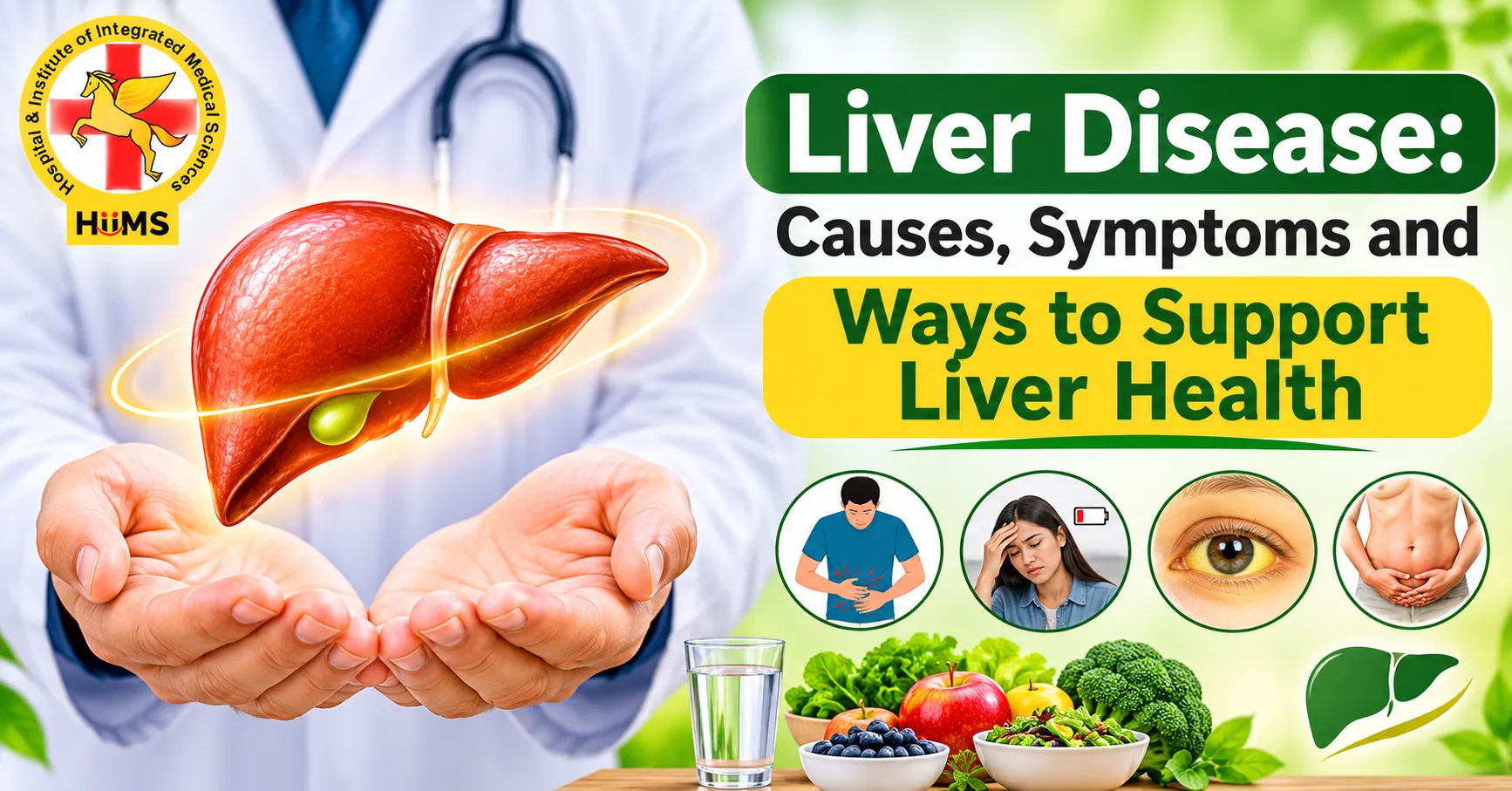

Your liver usually never has a problem. It filters your blood, helps digest your food, stores energy and clears out waste, and it does all of this without asking for any kind of special attention. And that silence is exactly the problem, because a liver can stay damaged for years before the body gives any clear signal.
Across India, doctors now see this pattern more often, especially with fatty liver. Desk-bound jobs, late dinners, sugary drinks and constant stress all add to the load. Early liver disease symptoms often look like ordinary tiredness or a heavy stomach, so most people ignore them for months.
Recognising these small changes early gives you a real chance to protect your liver before the damage deepens, and it costs far less than waiting.
In this blog, you will learn how the liver works, which signs deserve attention, what causes liver problems in India, which daily habits help, and how Ayurveda looks at liver care.
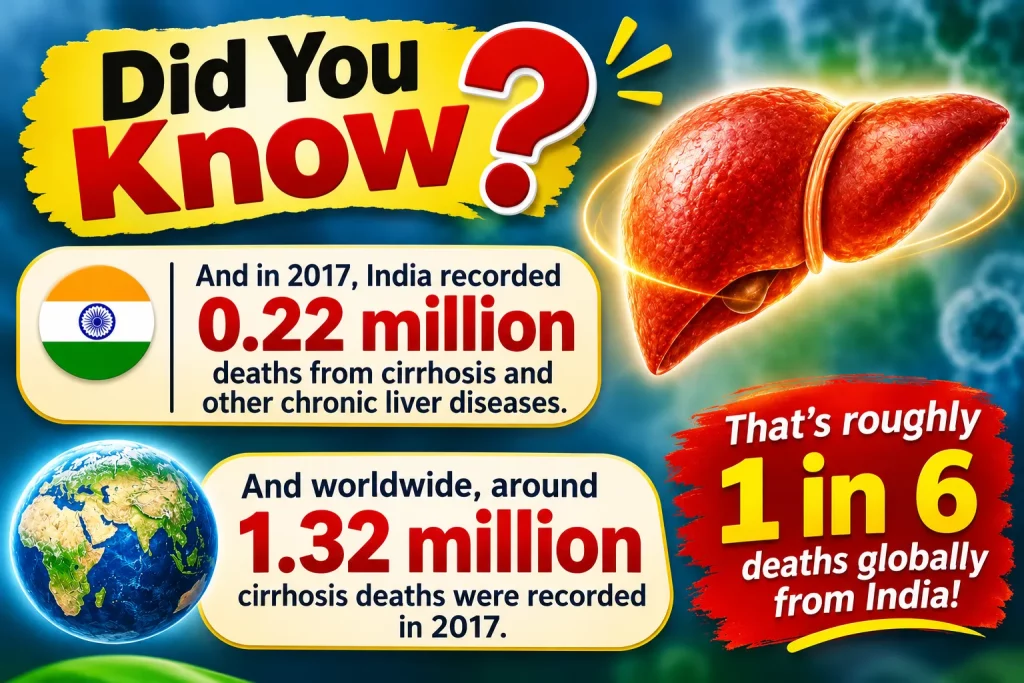
Did You Know? In 2017, India recorded about 0.22 million deaths from cirrhosis and other chronic liver diseases, a figure the Government of India shared in Parliament in 2023 and news reports later repeated. That same year, the world recorded roughly 1.32 million cirrhosis deaths, according to the Global Burden of Disease Study 2017. So India alone accounted for roughly one in six of them.
Understanding Liver Disease: What Happens When the Liver Is Not Working Properly?
The liver is situated on the upper right side of your abdomen and handles hundreds of jobs. It makes bile to digest fat, processes nutrients from your meals, filters your blood and breaks down medicines.
When liver cells become inflamed or damaged, these jobs slow down. Over time, scar tissue can replace healthy tissue, and mild liver problems can turn into serious ones. Concerned About Your Liver Health?
Common Types of Liver Diseases
Different conditions harm the liver in different ways. Here are the ones you will hear about most often:
- Fatty liver disease: Extra fat builds up inside liver cells.
- Alcohol-related liver disease: Long-term heavy drinking inflames and damages the liver.
- Hepatitis: Viruses or other triggers cause liver inflammation.
- Liver fibrosis and cirrhosis: Scar tissue slowly replaces healthy liver tissue.
- Autoimmune liver disease: The body’s own immune system attacks liver cells.
What Are the Early Liver Disease Symptoms You Should Not Ignore?
Some liver conditions stay silent in the early stages, while others cause noticeable changes. Fatty liver, in particular, may show nothing at all for years. That is why you should consider any persistent change in your body seriously, even if it looks minor.
Common Signs and Symptoms of Liver Problems
Not everyone experiences the same liver disease symptoms, but these are the signs doctors watch for:
- Persistent tiredness and weakness
- Loss of appetite
- Nausea or vomiting
- Discomfort in the upper-right abdomen
- Yellowing of the eyes and skin (jaundice)
- Dark-coloured urine
- Pale or clay-coloured stools
- Swelling in the legs, feet or abdomen
- Persistent itching
- Easy bruising or bleeding
The National Institute of Diabetes and Digestive and Kidney Diseases (NIDDK) also notes that fatty liver often causes no symptoms in its early stages. Not Sure Whether Your Symptoms Need Attention?
What Are the Common Causes of Liver Disease in India?
The causes of liver disease range from daily habits to infections and inherited conditions. Lifestyle alone does not explain every case, but it plays a large part in many of them.
Lifestyle and Metabolic Factors
Excess fat in the liver, obesity and type 2 diabetes are listed at the top of this list. High triglyceride levels, little physical activity and diets heavy in added sugar and processed food affect the liver in the same direction.
Other Medical and Environmental Causes
Hepatitis B and C infections, long-term alcohol use, autoimmune conditions and inherited liver disorders also damage the liver. In addition, some medicines, careless self-medication and exposure to harmful chemicals can injure it.
India has taken this seriously at the policy level. The Ministry of Health and Family Welfare has added fatty liver disease (NAFLD) to the National Programme for Prevention and Control of Non-Communicable Diseases (NPCDCS) and issued operational guidelines to identify and manage it.
Why Conventional Care Alone Often Leaves Gaps
Modern medicine saves lives. Antivirals for hepatitis, emergency care and liver transplants are essential, and no one should delay them.
However, conventional care often focuses on one condition or one lab value at a time. Many people with fatty liver leave the clinic with a short instruction to “lose weight” and little guidance on how to eat, sleep or move.
There is another reason to be careful. Your liver breaks down every tablet you swallow, so some medicines, especially when taken without advice, can themselves injure the liver. The US National Library of Medicine tracks this in its LiverTox database.
This is why a gentler, lifestyle-first layer of care deserves attention alongside proper medical evaluation.
Natural Ways to Support Liver Health Through Everyday Habits
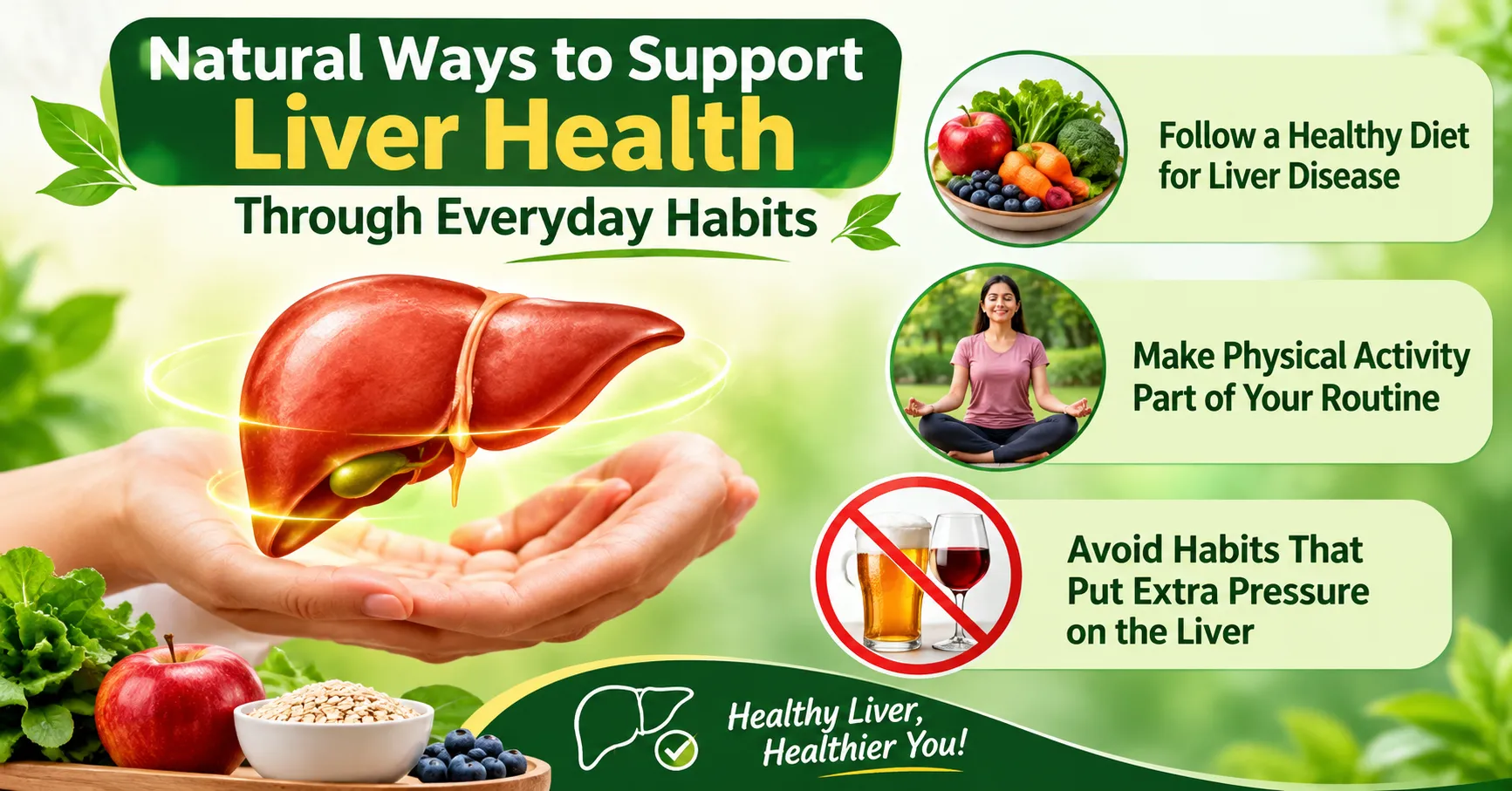
The most practical natural ways to support liver health start in your kitchen and your daily routine. You do not need any kind of expensive plan to start with.
Follow a Healthy Diet for Liver Disease
A Healthy Diet for Liver Disease includes fresh seasonal fruits and vegetables, whole grains and fibre-rich foods. Choose home-cooked light and simple meals over packaged ones, and limit sugary drinks and deep-fried snacks. Your diet should also match your individual health needs, so ask your doctor before making big changes.
Make Physical Activity Part of Your Routine
Regular walking, yoga and other suitable exercise help your body burn extra fat, including fat stored in the liver.
Avoid Habits That Put Extra Pressure on the Liver
Avoid alcohol, and do not take medicines or herbal supplements without professional advice. Keep regular sleep timings and go for recommended health check-ups.
How Does Ayurveda Understand Liver Health?
The Ayurvedic Approach to Liver Health looks at the person, not just the organ. Ayurveda focuses on digestion, metabolism and daily habits as one connected system.
The Connection Between Yakrit and Pitta Dosha
Ayurveda calls the liver ‘Yakrit’ and links it with ‘Pitta Dosha ‘, which is responsible for heat, digestion and transformation. When food, stress or sleep disturb Pitta, the liver may feel the strain first.
Ayurvedic care focuses on four connected ideas: Aahar (food), Vihar (lifestyle), Shaman (medicines or herbs) and Shodhan (cleansing therapies).
Ayurvedic Herbs Traditionally Associated with Liver Wellness
Bhumi Amla, Kalmegh, Kutki and Punarnava have a long history of traditional use for liver wellness. Their suitability depends on your condition, and some herbal products can injure the liver or interact with medicines, so take them only under qualified guidance.
Ayurvedic Therapies and Personalised Liver Care at Jeena Sikho HiiMS
At Jeena Sikho HiiMS, doctors first assess your symptoms, reports, food habits, sleep and stress before suggesting any plan.
The Four Healing Pillars at Jeena Sikho HiiMS
- Aahar (Food): Dietary guidance based on your individual health needs.
- Vihar (Lifestyle): Attention to sleep, physical activity and daily routine.
- Shaman (Medicines or Herbs): Ayurvedic medicines, herbs selected after professional assessment.
- Shodhan (Panchakarma and Ayurvedic Therapies): Panchakarma and selected cleansing therapies under qualified supervision.
Why Choose Jeena Sikho HiiMS for Liver Health Guidance?
People often come to HiiMS because they want time with a doctor who listens. The team offers Ayurvedic consultation, an individual health assessment, and dietary and lifestyle guidance.
It follows an integrated approach (natural approach combined with modern diagnosis) and prepares a personalised care plan for each person, so your plan reflects your needs rather than a generic form.
Conclusion
Liver disease often grows quietly, but your body does give you warning signs. Learning to spot the early liver disease symptoms, understanding what puts your liver at risk, and acting on those signs can change the course of your health.
Regular check-ups, balanced meals, daily movement and steady sleep protect your liver far more than any short-term solution. Ayurveda adds value by looking at digestion, routine and stress together, and it works best alongside proper medical evaluation.
If you want expert Ayurvedic guidance, you can also opt for a VOPD consultation with experienced doctors at Jeena Sikho HiiMS for your health issue.

FAQs
1. What are the first warning signs of liver disease?
Persistent tiredness, poor appetite, nausea, discomfort in the upper-right abdomen and yellowing of the eyes or skin are common early signs that deserve a doctor’s attention.
2. Can fatty liver develop without noticeable symptoms?
Fatty liver often stays silent in its early stage, so many people discover it only through an ultrasound or blood test done for another reason.
3. Which foods should be included in a healthy diet for liver disease?
Fresh seasonal fruits, green vegetables cooked and as salad, whole grains and home-cooked meals support the liver, while sugary drinks, processed snacks and fried foods should be avoided.
4. How does Ayurveda approach liver health?
Ayurveda looks at digestion, food, routine, stress and sleep together, and plans personalised care through diet, lifestyle, medicines and selected cleansing therapies.
5. Can Ayurvedic herbs and Panchakarma be used alongside conventional liver care?
They may be considered only after doctors review your reports and current medicines, because some herbal products can interact with prescribed drugs.
Leave a comment