

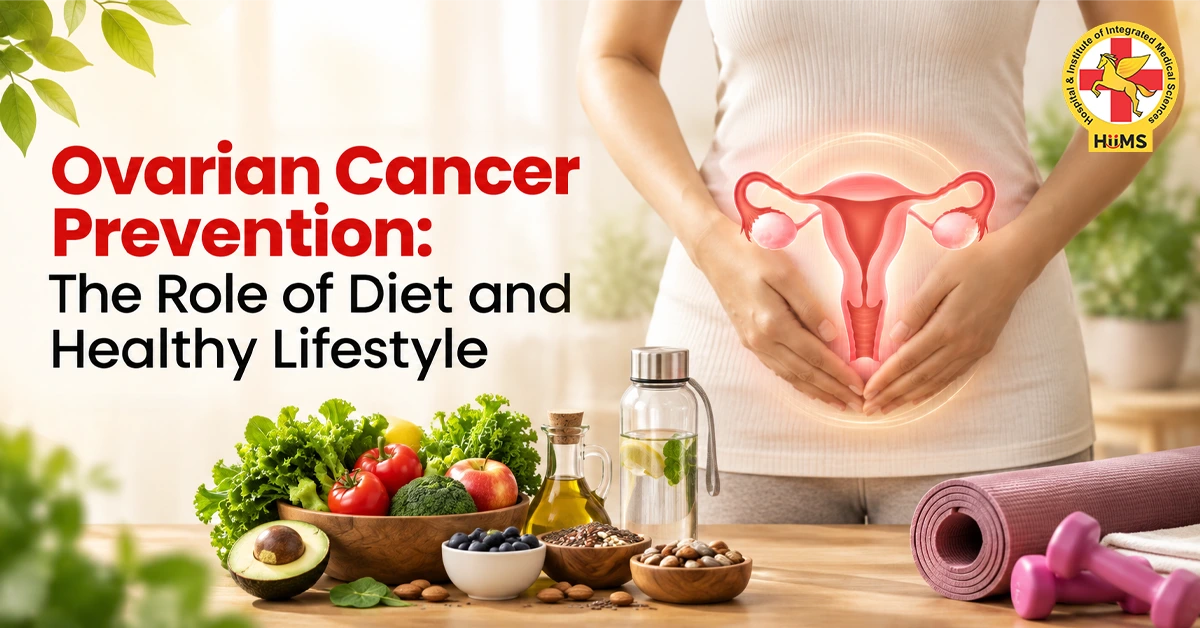
Ovarian cancer is a topic that many women do not talk about openly, yet it silently affects thousands of lives every year. The ovaries are small organs, but they carry great importance in a woman’s body, and any disturbance in them can bring serious trouble.
Doctors often say that this disease grows quietly, without giving many early signals, which makes it harder to catch in time. That is why understanding ovarian cancer prevention becomes so important for every woman, young or old.
Even though not every health risk can be controlled, a woman can still take small positive steps towards better health by eating nourishing food, following healthy daily habits and keeping a balanced lifestyle.
Our body carries its own natural wisdom, and when we support it with the right nourishment, it works better in keeping illness at bay. In this blog, we will talk about simple things related to diet, daily routine and gentle natural care that can help keep the ovaries healthy and strong.
Understanding Ovarian Cancer in Simple Words
The ovaries are two small organs present in a woman’s body that make eggs and hormones. Sometimes, due to unknown reasons, cells inside the ovary start growing in an abnormal way.
This abnormal growth is what we call ovarian cancer. It does not happen overnight. It builds up slowly over months or years, and because the early stage does not show clear signs, many women get to know about it only when it has already spread.
The Centers for Disease Control and Prevention has studied this pattern closely over the years, and their findings remind us why staying aware of your body and its changes matters so much.
Ovarian Cancer Risk Factors You Should Know
There are certain things that can raise the chances of ovarian cancer in a woman. Knowing about ovarian cancer risk factors can help you stay alert and take steps early. According to a fact sheet published under the U.S. government’s womenshealth.gov , some common risk factors are:
- Growing age, especially after fifty-five years
- Family history of ovarian or breast cancer
- Never having been pregnant or having a child after thirty-five
- Long use of hormone therapy after menopause
- Being overweight or carrying extra body fat
- Having a personal history of breast, uterus, or colon cancer
- A condition called endometriosis, where uterine tissue grows outside its place
Not every woman with these factors will get ovarian cancer, and not every woman without them stays safe. But being aware helps in taking timely action.
Common Ovarian Cancer Symptoms
Many women ignore small signs because they seem like normal stomach or digestion trouble. Some common ovarian cancer symptoms include:
- Bloating or heaviness in the stomach
- Pain in the pelvic area or lower back
- Feeling full quickly even after eating a little
- Frequent urge to urinate
- Constipation or change in bowel habits
- Unusual tiredness
- Irregular periods or unexpected bleeding
If any of these signs stay for more than a few weeks and do not go away, it is wise to get yourself checked rather than waiting.
Ovarian Cancer Prevention Through Food and Daily Habits
When we talk about ovarian cancer prevention, it is useful to look at the way our daily choices come together over time. Food is one part of this picture, while movement, rest, and other everyday habits also have their place.
Instead of depending on one particular food or remedy, women can focus on building a balanced routine that supports their general wellbeing. Simple choices made regularly can become a natural part of healthy living and encourage better care of the body in the long run.
Even the National Cancer Institute, a part of the U.S. National Institutes of Health, has published detailed information on this subject at , where lifestyle and eating habits are discussed as areas that researchers continue to study.
Reducing the risk of ovarian cancer is not about one big change, but about small daily choices repeated over years.
Healthy Diet for Women and Ovarian Health
A healthy diet for women should be full of colour, fibre, and freshness rather than fried and processed food. Some things that support ovarian health are:
- Green leafy vegetables like spinach and fenugreek
- Fresh fruits, especially those rich in fibre like papaya and pomegranate
- Whole grains such as bajra, jowar, and brown rice
- Nuts and seeds like flax seeds and almonds
- Turmeric, which has been used in Ayurveda since ancient times for its cleansing nature
- Plenty of water throughout the day
- Reducing sugar, maida, and packaged snacks
Such food keeps hormones balanced and helps the body remove toxins in a natural manner.
Simple Lifestyle Steps for Better Ovarian Health
Along with food, daily habits matter equally for long-term ovarian health. Some easy steps are:
- Walking or light exercise for at least thirty minutes daily
- Keeping body weight within a healthy range
- Sleeping on time and taking proper rest
- Avoiding smoking and staying away from the smoky places
- Managing stress through yoga, pranayama, or meditation
- Getting pregnant and breastfeeding, where possible, as these naturally lower risk
- Going for regular checkups instead of waiting for symptoms to worsen
Ayurveda has always believed that a calm mind and a clean body together build strong immunity, and this old wisdom fits well with modern ideas of ovarian cancer prevention too.
Ayurvedic Perspective on Women’s Reproductive Health
In Ayurveda, a woman’s reproductive wellbeing is understood through the balance of Vata, Pitta and Kapha doshas. Vata is linked with movement and the natural functions of the body, Pitta with transformation and metabolism, and Kapha with stability and nourishment.
Ayurvedic thought believes that keeping these three doshas balanced helps support the body’s natural harmony.
Ayurveda takes a wider view of reproductive wellbeing and looks at the body as a whole. A person’s digestion, age, constitution, food habits and other individual factors may be considered before giving guidance.
This means that the same Ayurvedic routine may not be suitable for everyone. Such traditional practices can form part of overall wellness, but they should not be taken as a way to prevent ovarian cancer.
Conclusion
Ovarian cancer prevention depends a lot on the small choices we make every single day. Eating fresh, staying active, managing stress and paying attention to your body can go a long way in keeping this serious disease away.
If you wish to understand your body better through a natural and gentle approach, Jeena Sikho HiiMS is here to guide you with care that is rooted in Ayurveda.
You may book a VOPD consultation with our experts to discuss your health, diet, and daily routine in detail, and take the first step towards a healthier and happier life.

FAQs
Q1. Are ovarian cancer symptoms easy to notice?
No, early symptoms are often mild and can be confused with the normal stomach issues.
Q2. Does family history increase the risk of ovarian cancer?
Yes, having close relatives with the ovarian or breast cancer can raise the risk.
Q3. Can Ayurveda help in supporting ovarian health?
Ayurveda focuses on natural balance, diet, and lifestyle, which can support overall reproductive health.
Q4. What foods should women avoid for better ovarian health?
Fried, packaged and sugary foods should be reduced as much as possible.
Q5. What foods are good for a healthy female diet?
Vegetables, fruits, whole grains, pulses, nuts and seeds can form part of a balanced diet.