

Blood cancer is a condition in which the normal production of the blood cells becomes disturbed. It mainly affects the blood, bone marrow, or lymphatic system, where healthy blood cells are made. Abnormal blood cells may grow uncontrollably and interfere with the production and function of healthy blood cells.This makes it difficult for the body to function properly.
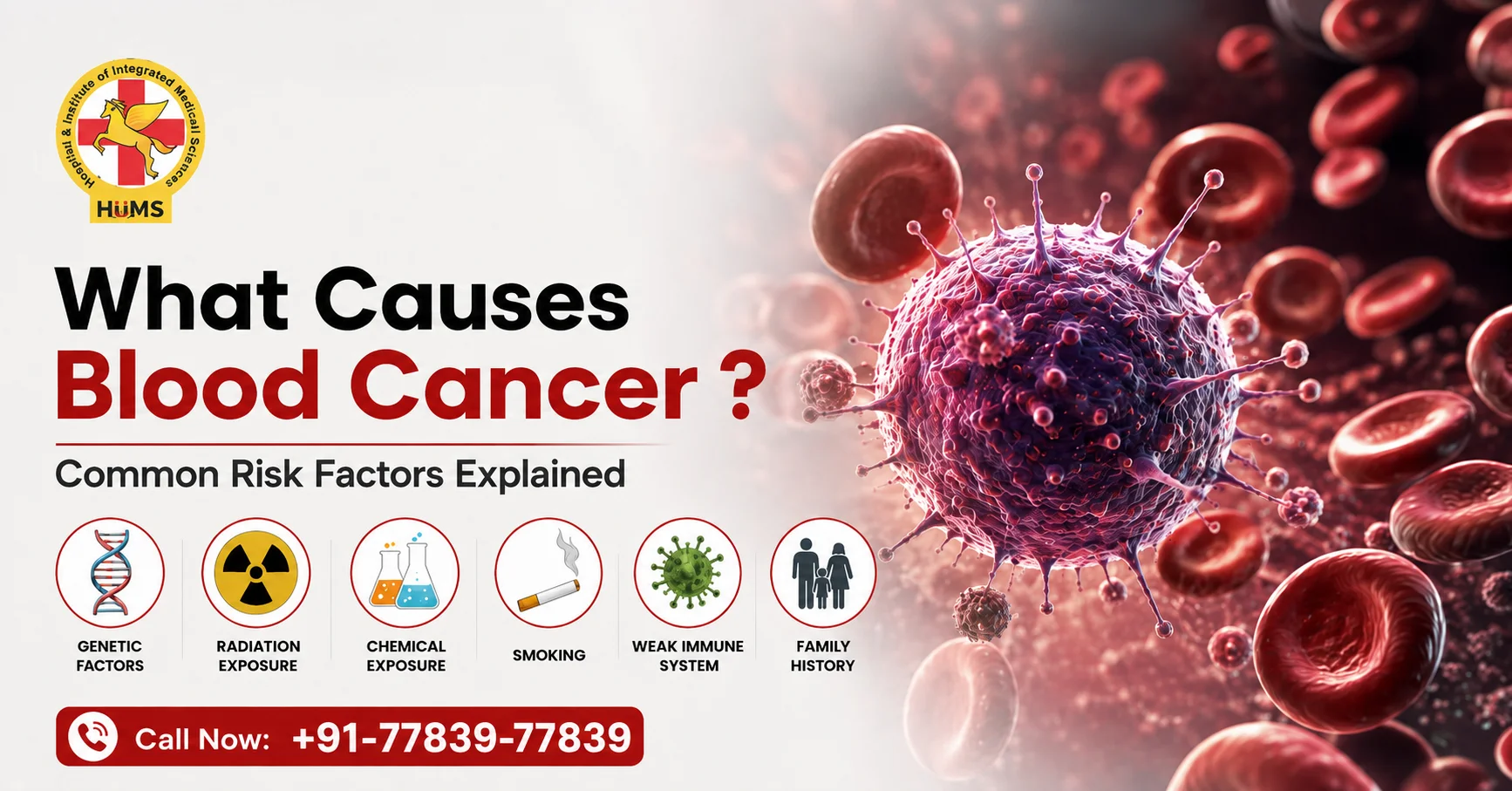
People often ask, what causes blood cancer? There is no fixed answer because several factors may contribute to its development. Genetic changes, family history, advancing age, exposure to certain chemicals or radiation, and some health conditions may increase the risk of certain blood cancers.Although not every risk factor can be avoided, learning about them can encourage people to pay attention to their health and seek guidance when needed. Ayurveda focuses on maintaining the harmony within the body through balanced food, proper routine, and healthy living. This article explains the known risk factors associated with blood cancer, common symptoms, and the Ayurvedic perspective on supportive healthy living.
Blood Cancer: An Overview
The blood in our body is made of red blood cells, white blood cells, and platelets. All of them are produced in the bone marrow.When this process is disrupted, abnormal blood cells may develop and multiply uncontrollably instead of developing and functioning like healthy blood cells. Over time, they may interfere with the production and function of healthy blood cells.
There are different blood cancer types as well, mainly leukemia, lymphoma and myeloma, and each one affects a different part of the blood system.
- Leukemia affects the white blood cells in bone marrow,
- Lymphoma affects the lymph system that fights infections, and
- Myeloma affects the plasma cells that make antibodies.
Knowing these types makes it easier to understand the condition better.
Signs and Symptoms of Blood Cancer
Blood cancer symptoms are often quiet in the beginning, and that is why many people ignore them for months. Some symptoms that may occur with blood cancer include:
- Feeling tired all the time even after full rest
- Repeated fever or infections that do not go away easily
- Unexplained weight loss in a short period
- Pale skin and constant weakness
- Bruises or bleeding that happens without any injury
- Swelling in lymph nodes near neck, underarm or groin
- Pain in bones or joints that stays for a long time
If these symptoms persist, become frequent, or occur without a clear reason, it is advisable to consult a healthcare professional for proper evaluation
Understanding the Risk Factors for Blood Cancer
Blood cancers are associated with genetic changes in blood-forming cells that can affect how these cells grow, divide, and survive. However, the exact cause of these changes is often unknown .
Changes in Genes and DNA
Certain genetic changes can disrupt the normal growth and division of blood-forming cells, which may contribute to the development of blood cancer.
Family History
A family history of certain blood cancers may increase a person’s risk, but having an affected family member does not mean that the disease will definitely develop.
Exposure to Harmful Chemicals
Long-term exposure to certain chemicals, particularly benzene, has been associated with an increased risk of some blood cancers, especially certain types of leukemia.
Radiation Exposure
Exposure to high levels of ionizing radiation, including certain previous cancer treatments, may increase the risk of some blood cancers.
Weak Immune System
A weakened immune system, due to certain diseases or immune-suppressing medicines, may increase the risk of some types of lymphoma and other blood cancers.
Certain Viral Infections
Certain viral infections, including Epstein-Barr virus and HIV, are associated with an increased risk of some types of lymphoma and other blood cancers.
Age Factor
The risk of many blood cancers increases with age, although certain types are more common in children or younger adults.
Smoking and Lifestyle Habits
Smoking exposes the body to harmful chemicals and is associated with an increased risk of certain cancers, including some blood cancers. Avoiding tobacco can help reduce these health risks.
Ayurvedic Perspective on Blood Cancer
From an Ayurvedic perspective, health is understood through the balance of doshas, digestion, diet, daily routine, and overall well-being. However, these traditional concepts should not be presented as proven medical causes of blood cancer. Blood cancer requires proper medical evaluation and diagnosis. Ayurvedic principles may be discussed as part of supportive healthy living, alongside appropriate medical care.
Ayurveda focuses on supporting the overall health through natural herbs, a balanced diet, proper sleep, and a healthy lifestyle. At Jeena Sikho HiiMS Hajipur, this balanced approach is followed alongside the appropriate guidance.
When Should You See a Doctor
Being aware of the early signs may help you notice a problem before it gets worse.
- Frequent fever or infections that return again and again,
- Constant tiredness that does not improve with proper rest,
- Easy bruising or unexpected bleeding,
- Persistent swelling of the neck, armpits or groin,
- Unexplained weight loss over a short period,
When these symptoms do not settle or keep appearing, do not ignore them; seek expert advice.
Conclusion
Understanding what causes blood cancer helps people become more aware of the condition and its possible risk factors. Although the exact cause is often unknown, understanding the risk factors and paying attention to persistent symptoms can encourage timely medical evaluation. Ayurveda recommends a balanced diet, proper routine and natural living to promote the overall well-being, along with timely healthcare evaluations. If you have persistent symptoms or concerns about blood cancer, you can consult the healthcare team at Jeena Sikho HiiMS Hajipur for appropriate evaluation and guidance

FAQs
1. What are the common risk factors for blood cancer?
Blood cancer is associated with factors such as genetic changes, age, family history, exposure to certain chemicals or radiation, weakened immunity, and some viral infections. However, the exact cause is often unknown.
2. Is blood cancer hereditary?
It can increase the risk a little if someone in the family has had it, but it doesn’t always pass on to the next generation.
3. Can smoking increase the risk of blood cancer?
Smoking exposes the body to harmful chemicals and is associated with an increased risk of certain cancers, including some blood cancers. Avoiding tobacco can help reduce these health risks.
4. What does Ayurveda say about blood cancer?
Ayurveda takes a holistic approach to health and emphasizes balanced nutrition, daily routine, digestion, rest, and overall well-being. These traditional concepts should not be presented as proven causes or replacements for medical treatment of blood cancer.
5. Can diet help in managing blood cancer?
A balanced and natural diet can support the body and help maintain the overall strength.