

During pregnancy, the body goes through several changes that may affect the blood sugar levels. Gestational diabetes is a condition that develop during pregnancy when the body is unable to use insulin properly. It usually appear during the second or third trimester and may go unnoticed because the symptoms are often mild. Understanding the gestational diabetes symptoms can help expectant mothers to seek the healthcare advice at the right time and support a healthy pregnancy.
Many women do not experience clear signs in the beginning, which is why regular prenatal checkups and the blood sugar tests are important. However, some women may notice certain changes in their body that should not be ignored. At Jeena Sikho HiiMS, the focus is on supporting the maternal health through healthy food, good habits, and natural care during pregnancy. Knowing the early symptoms of gestational diabetes can help women take timely care of their health.
What Is Gestational Diabetes?
Gestational diabetes is a type of diabetes that appear only during pregnancy, usually around the second or third trimester. During this period, the placenta produce the hormones that make it harder for the body to use insulin properly, and the sugar builds up in the blood instead of moving into the cell for energy.
This does not mean the mother had diabetes before pregnancy; It develops due to hormonal changes during pregnancy that make it harder for the body to use insulin effectively. In most cases, the blood sugar returns to normal after delivery, though the mother carries a slightly higher risk of type 2 diabetes later in life.
Early Signs and Symptoms of Gestational Diabetes
Spotting the early symptoms of gestational diabetes is not always simple because many of these signs overlap with ordinary pregnancy discomforts. Still, paying attention to the following changes can help you catch the early symptoms before they turn into bigger concerns.
Increased Thirst
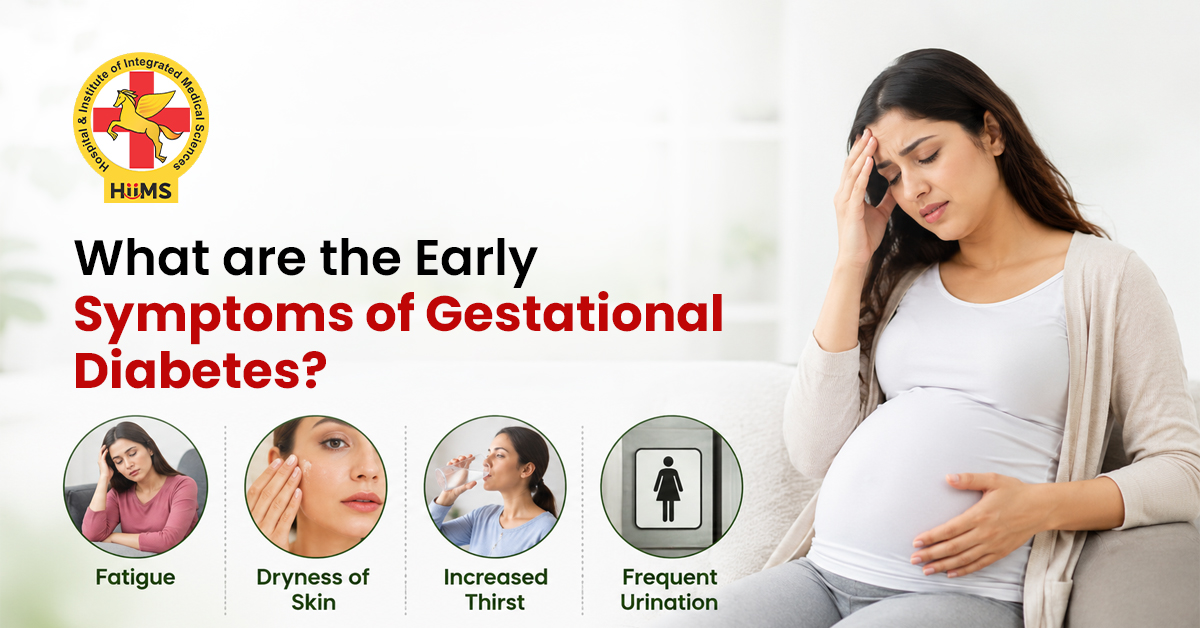
Feeling thirsty all day, even after drinking enough water, is one of the more common gestational diabetes symptoms. Extra sugar in the blood can lead to the increased urination, causing the body to lose water and become dehydrated.
Frequent Urination
Frequent urination is the another symptom that should not be ignored. Although increased urination is common during pregnancy, a noticeable rise in the need to pass urine may sometimes be linked to the high blood sugar levels.
Unusual Fatigue
Feeling tired all the time, even after enough rest, can be one of the symptoms of gestational diabetes. High blood sugar can affect how the body uses energy, leading to the constant tiredness.
Blurred Vision
High blood sugar may cause temporary blurred vision by affecting the lenses of the eyes.
Frequent Infections
Recurring urinary tract or yeast infections can also be counted among the signs of gestational diabetes, since high sugar levels let bacteria and yeast multiply more easily.
Strong Sugar Cravings
A sudden and constant craving for sweets or sugary drinks, beyond normal pregnancy cravings, can also hint at changing blood sugar levels within the body.
These signs do not always mean you have the condition. However, if you notice several early symptoms of gestational diabetes together, it is important to speak with your doctor.
Why Recognising Early Symptoms Matters
Catching the gestational diabetes symptoms early gives both mother and baby a real advantage. Left unmanaged, high blood sugar during pregnancy can lead to a larger-than-average baby, which raises the chances of a difficult delivery. It can also increase the risk of premature birth, low blood sugar in the newborn right after birth, and breathing difficulties for the baby.
For the mother, ignoring gestational diabetes early symptoms may lead to high blood pressure during pregnancy. Early detection simply allows doctors to guide you toward the right diet, monitoring, and lifestyle changes before complications set in.
Gestational Diabetes Treatment and Supportive Care
The goal of gestational diabetes treatment is to maintaining healthy blood sugar level and support the well being of both mother and baby. Treatment plans usually includes regular blood sugar monitoring, healthy eating habits, physical activity, and expert guidance when it is needed.
At Jeena Sikho HiiMS Hajipur, the approach to the diabetes treatment focus on supporting the overall health through Ayurvedic principles, balanced nutrition, and the lifestyle management. Ayurveda emphasize on maintaining the digestive balance, healthy routines, and proper nourishment during the pregnancy. Timely gestational diabetes management may lower the chances of complications and help promote the healthier pregnancy.
The Role of Gestational Diabetes Diet
A healthy gestational diabetes diet plays an important role in managing blood sugar levels during pregnancy. A balanced diet can help provide the right nutrients while keeping blood sugar under control.
A healthy gestational diabetes diet may includes:
- Fresh vegetables and seasonal fruits in suitable portion
- Whole grains and fiber rich food
- Protein sources like lentils and beans
- Drinking enough of water
- Limiting sugary food and processed snacks
A healthy diet along with expert support can contributes to a healthy pregnancy.
Conclusion
Recognising the gestational diabetes symptoms early can help expectant mothers to take timely steps to support a healthy pregnancy. Although some sign may seem like normal pregnancy changes, paying attention to unusual symptoms and attending regular prenatal checkups are important. Healthy eating habits, regular monitoring, and the proper healthcare guidance can help maintaining overall well being during pregnancy.
At Jeena Sikho HiiMS Hajipur, the focus is on supporting maternal health through Ayurvedic principles, balanced nutrition, and healthy lifestyle practice that encourage a safe and healthy pregnancy journey for both the mother and the baby.

FAQs
1. When does gestational diabetes usually develop?
It usually develop during the second or third trimester of pregnancy.
2. What are the early symptoms of gestational diabetes?
The early symptoms of gestational diabetes may include constant thirst, tiredness, and the frequent urination.
3. Can gestational diabetes occur without symptoms?
Yes, many women may not notice any symptoms, which is why the regular prenatal screenings are important.
4. Why do pregnant women with gestational diabetes feel thirstier?
High blood sugar can cause the body to loses more fluids through urine, leading to increased thirst.
5. Can gestational diabetes affect the baby?
If not properly managed, it may increases the risk of certain pregnancy complications for the baby.
References & Sources
- https://www.cdc.gov/diabetes/about/gestational-diabetes.html?
- https://diabetes.org/living-with-diabetes/pregnancy/gestational-diabetes?
- https://www.mayoclinic.org/diseases-conditions/gestational-diabetes/symptoms-causes/syc-20355339?