

The liver takes care of many important jobs in the body, right from helping in digestion to cleaning the toxins out of the blood and storing the nutrients that the body needs. When this damage to the liver continues for years without proper care, the healthy part of the liver gradually gets replaced by the scar tissue, and this condition is known as cirrhosis. In the beginning, a person may not notice clear symptoms, which is why regular health checks can be useful when there are risk factors.
People looking for liver cirrhosis treatment often want to understand whether their liver can become healthy again and what changes they should make in daily life. The answer depends on the cause and stage of the condition. Liver cirrhosis treatment in Hajipur at Jeena Sikho HiiMS focuses on understanding the person’s health condition and supporting better digestion, food habits and daily routine through a natural and Ayurvedic approach. However, cirrhosis is a serious condition and should always be assessed properly before starting any care plan.
What Is Liver Cirrhosis?
Cirrhosis develops when repeated or long term liver damage causes scar tissue to build up in the liver. As the scarring increases, the liver may find it difficult to perform its normal functions. In some people, cirrhosis develops slowly over many years and remains unnoticed until the liver has suffered considerable damage.
Cirrhosis is not caused by one single problem. Long term alcohol use, fatty liver disease, chronic hepatitis B or C and some other liver conditions can damage the liver and increase the risk of cirrhosis.
Common Signs of Liver Cirrhosis
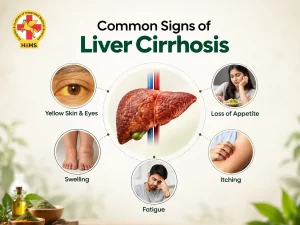
The signs can be different from one person to another. Some people may have very few symptoms in the early stage. As the condition progresses, the body may begin to show clearer signs.
A person may notice signs like,
- Constant tiredness or weakness throughout the day
- Reduced appetite and losing weight without trying
- A feeling of nausea or heaviness in the stomach
- Eyes or skin turning slightly yellow
- Swelling around the legs or the belly area
- Itching on the skin that does not go away easily
- Getting bruises or bleeding more than normal
- Some change in sleep or in the ability to focus
- Urine looking darker than usual or stools turning pale
Such signs deserve attention, particularly if more than one appears at the same time. That said, these symptoms by themselves do not confirm cirrhosis, since several other liver and digestion-related conditions can bring about the same kind of troubles.
What Causes Liver Cirrhosis?
Understanding the reason behind liver damage is an important part of managing the condition. The common liver cirrhosis causes include long term alcohol use, chronic viral hepatitis, fatty liver disease and certain other diseases that affect the liver.
Lifestyle also plays a big part. Extra body weight, poor eating habits and blood sugar that stays out of control can add to fatty liver disease, and in some people, this may slowly turn into liver damage. Drinking alcohol on a regular basis can also make the liver injury worse.
This is why simply focusing on one symptom is not enough. The underlying cause needs attention along with food, digestion, sleep, activity and other daily habits.
How Is Liver Cirrhosis Diagnosed?
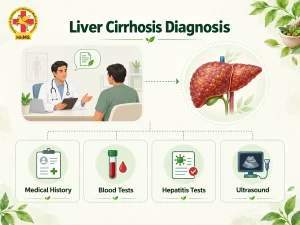
A proper diagnosis helps a person understand how much the liver has been affected. Liver cirrhosis diagnosis generally includes a medical history, physical examination and suitable tests.
Depending on the person’s condition, a healthcare professional may suggest,
- Blood tests to check liver function and other signs of damage
- Tests for hepatitis B and hepatitis C
- Ultrasound or other imaging tests
A healthcare professional may also ask about alcohol use, medicines, supplements, changes in weight, appetite and previous health problems.
Early evaluation can be useful because many people do not develop obvious symptoms until liver damage has already progressed.
What Does Liver Cirrhosis Treatment Involve?
When it comes to cirrhosis, the care given depends on its cause, stage, symptoms and the overall health of the person, and the main aim always stays on supporting the liver, stopping further damage and managing the related problems that come along with it.
Some important points of care are,
- Eating food that is fresh and balanced
- Keeping away from alcohol and unwanted substances
- Taking care of healthy digestion
- Maintaining a healthy weight for the body
- Following a fixed sleep and daily routine
- Managing blood sugar along with other health concerns
- Following proper diet and lifestyle guidance
- Going for regular health checks as advised
Food is an important part of liver care. Simple home-cooked meals made with vegetables, fruits and good sources of protein can support the overall nutrition of the body. If there is any swelling or fluid retention, lowering the salt intake may also be recommended.
Ayurvedic Approach to Liver Cirrhosis Treatment in Hajipur
Ayurveda gives importance to digestion, food habits, daily routine and the overall balance of the body. From an Ayurvedic perspective, supporting proper digestion and maintaining a suitable routine can be a useful part of the liver wellness.
At Jeena Sikho HiiMS Hajipur , the focus stays on suitable food choices, digestion, daily habits and personalised Ayurvedic wellness practices that suit the person’s condition. The care plan is always decided according to individual needs, and not by simply following random remedies found on the internet.
Ayurvedic care works best when it is followed with proper guidance. The right herbs, dietary practices and wellness therapies can be selected according to the person’s condition and stage of liver health.
If you are looking for personalised Ayurvedic guidance for liver wellness, you can speak with an Ayurvedic expert to understand the right approach for your condition. 
Liver Cirrhosis Treatment Options and Long-Term Care
The liver cirrhosis treatment options depend mainly on what caused the liver damage and how advanced it has become. Managing the underlying cause is an important part of preventing further liver injury. Doctors may also manage complications related to fluid retention, bleeding, infections or changes in brain function when they occur.
The term ‘cirrhosis of liver treatment’ can therefore include several parts rather than one single remedy. Food and lifestyle changes, proper monitoring and care for the underlying condition can all have a role.
Advanced liver disease may require specialized care. This is one reason why people should not delay professional evaluation or depend only on home remedies.
When Should You Consult a Liver Specialist?
If you notice yellow eyes, swelling in the belly or legs, sudden weight loss without any reason, repeated vomiting, unusual bleeding, severe weakness or any change in awareness, do not wait, seek expert attention right away.
Choosing a qualified liver cirrhosis doctor in Hajipur can help you understand the condition and decide what kind of care is suitable for your stage of liver disease. Proper diagnosis is especially important because the same symptoms can occur in different liver conditions.
Conclusion
Liver cirrhosis needs careful attention because the liver plays an important role in keeping the body healthy. Liver cirrhosis treatment should focus on finding the cause, protecting the remaining liver function and making suitable changes in food and daily routine. Ayurveda can be considered as a supportive approach under proper guidance, but it should not replace necessary regular health evaluation.
Liver cirrhosis treatment in Hajipur at Jeena Sikho HiiMS is planned around personalised Ayurvedic care and lifestyle support, made for people who want to take a natural path towards liver healing. You can also book a VOPD consultation and talk about your condition right from home, so that you understand what the next right step should be.

FAQs
1. Is liver cirrhosis always caused by alcohol?
No, it can also happen due to hepatitis B, hepatitis C, fatty liver disease and other liver problems.
2. What are the first signs of liver cirrhosis?
The first symptoms are often fatigue, loss of appetite, weight loss and mild stomach upset.
3. Can a person with cirrhosis live a normal life?
Many people manage well with the right diet, lifestyle changes and the regular follow-up.
4. Is jaundice always a sign of cirrhosis?
Jaundice can happen in cirrhosis, but it can also occur in other liver and health conditions.
5. How often should liver function be checked?
This depends on the person’s condition, so regular follow-up as advised by the doctor is important.