
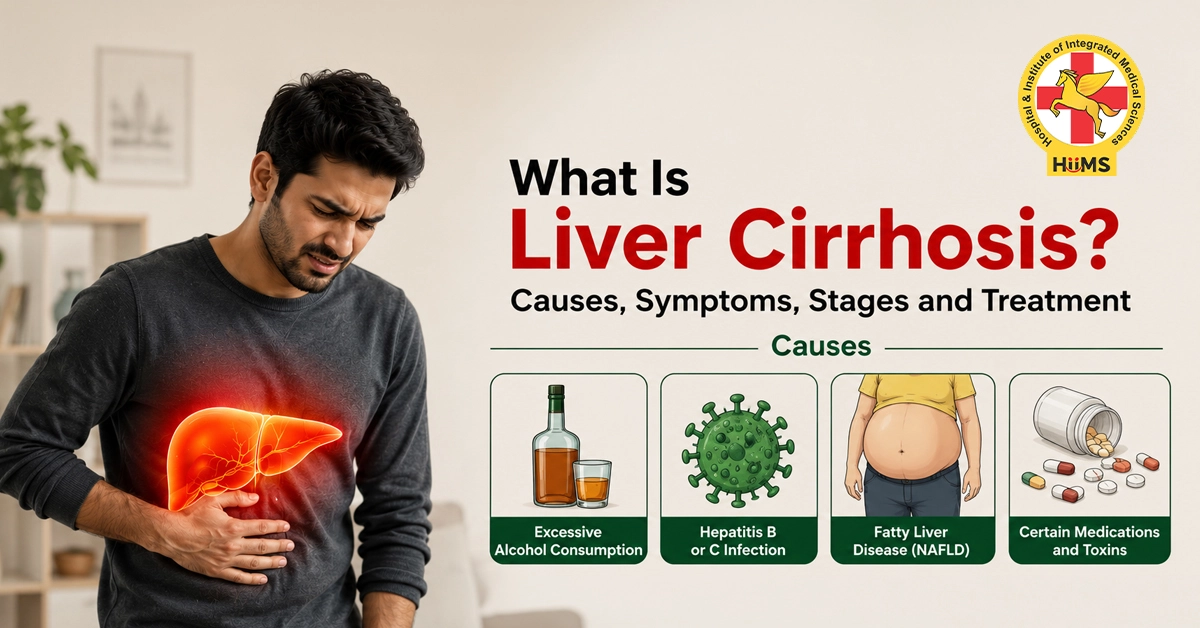
A routine blood test flags abnormal liver enzymes, and suddenly you are reading the word cirrhosis for the first time. Then trying to figure out how serious this actually is? Liver Cirrhosis is one of those conditions that builds up so quietly, sometimes over decades, that a lot of people don’t know anything’s wrong until it’s already fairly advanced. People either assume it only happens to heavy drinkers or assume it’s an automatic death sentence once diagnosed. Neither is entirely true. This blog walks through what’s actually happening inside the liver during cirrhosis, what causes it, how to recognise the symptoms at every stage, and what genuinely increases your risk.
What is Liver Cirrhosis?
Liver Cirrhosis is the late stage of chronic liver disease, where healthy liver tissue gets replaced by scar tissue over a long period of ongoing injury. It’s not something that happens overnight; it’s the end result of years, sometimes decades, of repeated damage to the liver, whatever the original cause. Once enough scarring builds up, the liver’s structure gets distorted, and that distortion starts interfering with basically everything the liver is supposed to do: filtering toxins, producing proteins, regulating blood clotting, and storing energy.
How Does Cirrhosis Affect the Liver?
Think of your liver as an incredibly busy, incredibly resilient organ that handles hundreds of jobs at once. When it’s repeatedly injured, whether from alcohol, a virus, or a build-up of fat, it responds the way most tissue does, by trying to heal itself. Over time, this scar tissue starts replacing more and more of the liver’s soft, healthy tissue.
As cirrhosis progresses, the liver develops something specific, regenerative nodules, small clumps of liver cells that have tried to regenerate, but end up surrounded by bands of fibrous scar tissue instead of sitting within a normal, healthy structure. This nodular, scarred architecture is genuinely different from a normal liver, and it’s what shows up on imaging when doctors diagnose cirrhosis.
What Happens to the Liver During Cirrhosis?
The scarring itself does two things that cause most of the downstream problems. First, it physically blocks normal blood flow through the liver, which raises pressure in the portal vein, the vessel carrying blood from your digestive organs to the liver.
Second, as functional liver tissue keeps shrinking, the liver simply can’t keep up with its normal workload. It struggles to remove toxins from the blood, create proteins required for blood clotting, or regulate a variety of hormones and nutrients. This is why cirrhosis does not affect the liver alone. It will eventually affect the brain, kidneys, digestive system, and more. So much of the body relies on the liver working properly.
Is Liver Cirrhosis Reversible?
Liver Cirrhosis reversibility has real limits. Once cirrhosis reaches a more advanced, structurally distorted stage, particularly with high pressure in the portal vein, studies suggest the architectural damage becomes largely permanent, since the liver’s blood vessels and tissue framework have been altered in ways that don’t fully undo themselves.
The honest answer, then, is that Liver Cirrhosis exists on a spectrum; early stages carry a genuine, evidence-backed chance of improvement with the right treatment, while advanced, decompensated cirrhosis is far less likely to reverse, and treatment shifts toward managing complications and, in serious cases, considering a liver transplant. This is exactly why catching liver damage early, long before the word “cirrhosis” ever comes up, makes such a profound difference.
What Are the Main Causes of Liver Cirrhosis?
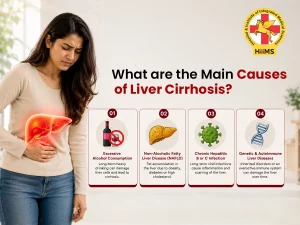
Liver cirrhosis doesn’t have just one cause. It’s the end result of many different conditions that all lead to the same thing – chronic injury and scarring.
1) Alcohol-Related Liver Disease
Heavy drinking for long periods of time is still one of the leading causes of cirrhosis. Alcohol directly injures liver cells. Repeated exposure over years causes inflammation that slowly turns into scarring.
2) Chronic Viral Hepatitis
Infections with hepatitis B, C and D cause chronic inflammation in the liver, and if left untreated for years this chronic inflammation will slowly lead to fibrosis and finally cirrhosis.
3) Fatty Liver Disease and Cirrhosis
What used to be called non-alcoholic fatty liver disease, now more precisely termed metabolic dysfunction-associated steatotic liver disease (MASLD), has become one of the fastest-growing causes of cirrhosis worldwide, closely tied to obesity, type 2 diabetes, and metabolic syndrome.
When fat accumulates in the liver and triggers ongoing inflammation, called steatohepatitis, that inflammation can progress to fibrosis and, over the years, to full cirrhosis.
4) Autoimmune Liver Diseases
In autoimmune hepatitis, the immune system mistakenly attacks the liver’s own cells, causing chronic inflammation that can progress to cirrhosis if it isn’t properly managed. These conditions are also associated with other autoimmune disorders, so people diagnosed with one often get checked for related conditions too.
5) Bile Duct Disorders
Bile is the fluid that the liver produces to help digest food. When a bile duct is blocked or damaged, the bile can’t drain properly and accumulates in the liver causing swelling and, ultimately, cirrhosis.
The two most common bile duct diseases that can cause this kind of damage are primary sclerosing cholangitis and primary biliary cholangitis. A physical blockage from gallstones or prior surgery can also be a contributing factor in some cases.
6) Genetic and Metabolic Conditions
Some people develop cirrhosis because of inherited conditions that cause harmful substances to build up in the liver over time. Hemochromatosis causes iron to build up in excess, which over time can damage the liver tissue. Wilson disease is a similar accumulation, but with copper instead of iron.
Alpha-1 antitrypsin deficiency, glycogen storage diseases, and cystic fibrosis are other causes of liver damage, and each has its own mechanism.
7) Other Possible Causes of Cirrhosis
A few additional causes round out the picture. Long-term exposure to certain toxins or medications, including some common painkillers like NSAIDs and acetaminophen when used excessively over long periods, can cause chronic liver damage classified as toxic hepatitis.
In some cases, despite thorough investigation, doctors can’t identify a clear underlying cause, and this is referred to as cryptogenic cirrhosis, though many of these cases are now believed to actually be undiagnosed fatty liver disease.
What Are the Symptoms of Liver Cirrhosis?
This is genuinely one of the trickiest parts of Liver Cirrhosis, symptoms often don’t show up until the disease has already progressed quite far, which is exactly why regular checkups matter for anyone with known risk factors.
1) Early Symptoms of Cirrhosis
When early symptoms do appear, they tend to be vague and easy to dismiss:
- Persistent fatigue and general weakness
- Loss of appetite
- Mild nausea
- Unintentional weight loss
- Slight discomfort or fullness in the upper right abdomen
2) Advanced Symptoms of Cirrhosis
Once cirrhosis moves into the decompensated stage, symptoms become considerably more obvious and specific:
- Jaundice, a yellowing of the skin and eyes, caused by the liver’s inability to properly process bilirubin
- Ascites, fluid build-up in the abdomen, which can make the belly look noticeably swollen
- Swelling in the legs and ankles (oedema)
- Intense itching, caused by bile products building up under the skin
- Easy bruising and bleeding, since the liver produces fewer clotting proteins
- Confusion, memory problems, or personality changes, caused by hepatic encephalopathy, where toxins that the liver can no longer filter build up and affect brain function
- Vomiting blood or passing dark, tarry-looking stools, are both signs of bleeding from enlarged veins in the oesophagus or stomach
3) Warning Signs That Should Not Be Ignored
A few specific symptoms genuinely warrant urgent medical attention rather than waiting for a routine appointment. Confusion or sudden difficulty concentrating, vomiting blood, black or tarry stools, severe or rapidly worsening abdominal swelling, and fever combined with ascites are all considered red flags.
4) Can Cirrhosis Develop Without Symptoms?
Yes, and this is genuinely one of the more sobering facts about this condition. Compensated cirrhosis, where the liver has already sustained significant scarring but is still managing to function reasonably well, is very often entirely asymptomatic.
This is exactly why doctors recommend screening for anyone with known risk factors, chronic alcohol use, viral hepatitis, obesity with metabolic syndrome, or a family history of liver disease, rather than waiting for symptoms to appear before investigating.
What Are the Different Stages of Liver Cirrhosis?
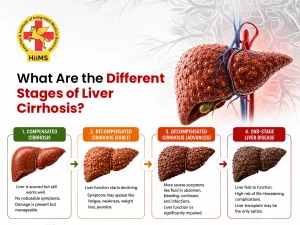
Doctors don’t just diagnose Liver Cirrhosis as a single thing; they stage it because how advanced the scarring is genuinely changes what to expect and how the condition needs to be managed.
1) Compensated Cirrhosis
This is the earlier stage, where significant scarring has already occurred, but the liver is still managing to do most of its job. People at this stage often have no symptoms at all, or only mild, easy-to-miss ones like fatigue or slight appetite changes.
On the Child-Pugh scale, this generally corresponds to Class A. This stage is genuinely the best window for intervention, since the liver still has functional reserve to work with, and slowing or even partially improving the underlying damage is realistically possible here.
2) Decompensated Cirrhosis
This marks a clear turning point. Decompensated cirrhosis means the liver can no longer keep up with its workload, and complications start showing up, such as ascites, jaundice, confusion, and bleeding from enlarged veins.
3) Advanced Cirrhosis
Advanced cirrhosis generally refers to more severe decompensation, corresponding to Child-Pugh Class B or C, where multiple complications may be present together, such as ascites along with encephalopathy, for example, or recurrent variceal bleeding.
At this stage, the amount of scarring and distortion of the liver architecture is usually so extensive that meaningful structural reversal is much less likely, even when the underlying cause is addressed.
4) End-Stage Liver Disease
End-stage liver disease refers to the most severe point in this progression, where the liver has essentially lost the ability to perform its core functions. MELD scores are used to assess the severity of liver disease and help determine the urgency of liver transplant evaluation.
What Complications Can Liver Cirrhosis Cause?
Most of the serious health problems associated with Liver Cirrhosis aren’t from the scarring itself; they’re from what that scarring does to blood flow and liver function over time.
1) Portal Hypertension
This is genuinely the root complication behind most others. As scar tissue distorts the liver’s structure, blood has a harder time flowing through it, and pressure builds up in the portal vein, the vessel bringing blood from the digestive organs to the liver.
2) Ascites and Fluid Retention
When portal pressure rises, and the liver produces less albumin, a protein that normally keeps fluid inside blood vessels, fluid starts leaking into the abdominal cavity.
This causes ascites, a visibly swollen abdomen that can range from mild to severe. Fluid can also build up in the legs and ankles for similar reasons.
3) Varices and Internal Bleeding
The increased pressure in the portal vein causes blood to take a diversion through smaller vessels that are not designed to take this pressure, such as veins in the oesophagus and stomach.
These veins are called varices and can become enlarged and fragile; if one ruptures, it can cause sudden, potentially life-threatening bleeding, which can appear as vomiting blood or passing black, tarry stools.
4) Hepatic Encephalopathy
A healthy liver filters toxins, including ammonia, out of the blood. If the liver doesn’t do this properly, these toxins build up and start to impact brain function leading to confusion, personality changes, difficulty concentrating and, in extreme cases, unresponsiveness.
5) Jaundice
Jaundice is a yellowing of the skin and eyes caused when the liver is no longer able to deal properly with bilirubin, a waste product of the normal breakdown of red blood cells.
It is often one of the most obvious signs of severely compromised liver function and is often associated with darker urine and light stools.
6) Increased Risk of Liver Cancer
Liver Cirrhosis is one of the strongest known risk factors for hepatocellular carcinoma, the most common type of primary liver cancer.
The ongoing cycle of liver cell damage and regeneration that defines cirrhosis creates genuine opportunities for cellular changes that can eventually become cancerous, which is exactly why regular cancer screening, usually through periodic ultrasound and blood markers, is recommended for anyone living with cirrhosis.
7) Kidney Problems Associated With Advanced Cirrhosis
In more advanced stages, cirrhosis can trigger a serious complication called hepatorenal syndrome, where kidney function declines as a direct consequence of severe liver dysfunction and the circulatory changes that come with it.
How is Liver Cirrhosis Diagnosed?
Because early Liver Cirrhosis so often causes no symptoms, diagnosis usually starts with something else entirely, a routine test, an unrelated scan, or a doctor connecting the dots from a person’s history and risk factors.
1) Medical History and Physical Examination
Diagnosis usually starts with a detailed discussion, including alcohol use, contact with hepatitis, medication history, family history of liver disease and any symptoms observed, even vague symptoms.
During a physical test, a doctor might find an enlarged liver or spleen, jaundice, spider-like veins on the skin, or swelling, all of which can offer helpful hints before any test results are back.
2) Liver Function Tests
Blood tests measuring liver enzymes, ALT, AST, and alkaline phosphatase, are usually the first step, since elevated levels signal ongoing liver damage or inflammation.
These tests alone don’t confirm cirrhosis, but they’re often what first prompts further investigation.
3) Blood Tests
Beyond the basic liver enzymes, doctors often check albumin levels, since low albumin can indicate reduced liver function, and a complete blood count to look for anaemia or signs of internal bleeding.
Once cirrhosis is suspected or established, specific testing for hepatitis B and C, and autoimmune markers such as ANA, SMA and AMA, helps identify the underlying cause.
4) Ultrasound and Other Imaging Tests
Imaging (ultrasound, CT or MRI) will show the size, shape and texture of the liver and will show nodularity or other structural changes that are consistent with cirrhosis. Imaging is useful for looking for complications like ascites or splenomegaly.
5) FibroScan and Liver Stiffness Assessment
FibroScan, a form of elastography measures how stiff the liver tissue is, since scarred tissue behaves differently from healthy tissue when a gentle vibration passes through it.
This test has shown strong accuracy for detecting cirrhosis specifically, and it’s increasingly used to reduce how often a more invasive biopsy is actually needed.
How is Liver Cirrhosis Treated?
1) Treatment Based on the Underlying Cause
The treatment of Liver Cirrhosis depends on its underlying cause, stage and complications. While modern medicine concentrates on controlling the disease and its complications, Ayurveda provides a tailored approach that might help with liver function and general health.
| Aspect | Modern Medical Treatment | Ayurvedic Approach |
| Treatment focus | It is directed to treat the underlying cause and to manage complications such as ascites, portal hypertension and hepatic encephalopathy | Focuses on personalised care using herbal therapies, Panchakarma, diet, and lifestyle guidance |
| Medicines & therapies | May involve antiviral medicines, diuretics, lactulose, rifaximin, beta-blockers, and other condition-specific treatments | May include personalised herbal therapies and Panchakarma-based therapies according to the individual’s condition |
| Managing complications | Procedures such as paracentesis, endoscopy, TIPS, or liver transplantation may be considered in advanced cases | May support the body’s natural functions and overall well-being through personalised therapies, diet, and lifestyle practices |
| Potential concerns | Some medicines and treatments may cause treatment-related effects such as diarrhoea, dehydration, electrolyte imbalance, low blood pressure, dizziness, or kidney-related complications, depending on the treatment used | Focuses on personalised and supervised therapies selected according to the individual’s condition |
| Liver & overall wellness | Primarily aims to control disease progression, manage complications, and prevent further deterioration | May support healthy liver function, digestion, metabolism, and overall well-being as part of a holistic care approach |
Ayurvedic treatment for Liver Cirrhosis starts with a proper, structured evaluation, not a fixed protocol handed to everyone. At Jeena Sikho HiiMS, this typically begins with a detailed consultation covering health history and lifestyle patterns. Once this picture is clear, doctors combine herbal therapy with Panchakarma-based detoxification, adjusted to the individual’s specific dosha imbalance and how advanced their liver condition actually is.
2) Dietary and Lifestyle Changes
Diet and daily routine sit right alongside herbal and detox treatment, not as an afterthought.
A personalized, pH-balanced diet plan is generally built around what the person’s digestion can actually handle at their current stage, paired with guidance on sleep, gentle movement, and stress management, since all of these genuinely affect how well the body can support its own healing process.
3) Managing Symptoms and Complications
Panchakarma therapies form the core of managing an already-damaged liver.
- Virechana, a gentle herbal purgation, is used to clear accumulated Pitta toxins from the liver and digestive tract.
- Basti, a medicated enema, helps manage aggravated Vata, particularly relevant in more advanced stages where digestion and elimination have become genuinely compromised.
- Vamana supports controlled detoxification from the upper digestive tract and Nasya, herbal oils administered through the nose, is used to support circulation and clear impurities.
- Abhyanga, warm oil massage supports lymphatic drainage and eases the physical stress that comes with chronic illness, while Swedana, herbal steam therapy, supports toxin elimination through sweat.
- Alongside these, a Liver Detox Kadha, a herbal juice made from liver-supportive ingredients, mint leaves, a small bunch of coriander, curry leaves, pipal leaves, guava leaves, banyan leaves, raw turmeric, and seasonal fruit, is offered regularly as part of ongoing liver support.
4) Importance of Regular Liver Monitoring
Even with a genuinely thoughtful Ayurvedic plan in place, regular monitoring of how the liver is actually responding matters enormously.
Treatment gets adjusted based on this ongoing feedback, not set once and left unchanged, since Liver Cirrhosis can shift, sometimes gradually, sometimes more suddenly, and a plan that worked well at one stage may need real adjustment as things progress or improve.
5) Can Liver Damage From Cirrhosis Be Improved?
At Jeena Sikho HiiMS, many patients with liver damage, including some with fairly serious cases, have shown real improvement through consistent Panchakarma detox, herbal therapy, and dietary correction, some avoiding a transplant that had initially been recommended elsewhere.
That said, this genuinely depends on how far the condition has progressed, how consistently the person follows their plan, and their overall health picture. Results aren’t identical for everyone. This is exactly why early, consistent engagement with treatment matters so much, rather than waiting until the condition has advanced significantly.
Can Liver Cirrhosis Be Managed Naturally?
1) Importance of a Balanced Diet
A balanced, easily digestible diet genuinely reduces the day-to-day burden on an already-compromised liver. This generally means favouring warm, freshly cooked, whole foods over processed, fried, or heavy meals, and building the diet around the person’s current digestive strength rather than a fixed, one-size-fits-all plan.
2) Avoiding Alcohol and Liver-Damaging Substances
This one’s non-negotiable, regardless of what caused the cirrhosis in the first place. Alcohol use continues to speed up liver damage considerably and medications or supplements which are not necessary, even when they seem harmless, can put extra stress on a liver which is already having trouble to keep up.
3) Maintaining a Healthy Body Weight
For anyone whose cirrhosis is linked even partly to fatty liver disease or metabolic factors, managing body weight genuinely supports the liver’s overall workload. This isn’t about rapid or extreme weight loss, which can actually stress the liver further; it’s about steady, sustainable management over time.
4) Physical Activity and Daily Routine
It’s gentle, steady movement, not strenuous or sporadic exercise, that helps the circulation and general metabolic function without taxing a body already under a lot of internal strain. A steady daily routine, consistent mealtimes, and regular sleep also genuinely support the body’s own regulatory rhythms.
5) Stress Management and Adequate Sleep
Chronic stress and poor sleep both affect the body’s inflammatory and metabolic processes, and Ayurveda has long tied both directly to Pitta and Vata imbalance, the same doshas implicated in liver dysfunction. Simple daily practices, breathing exercises, and a consistent wind-down routine before bed genuinely support the body’s capacity to heal.
What Foods Should You Eat With Liver Cirrhosis?
1) Nutrient-Rich Foods to Include
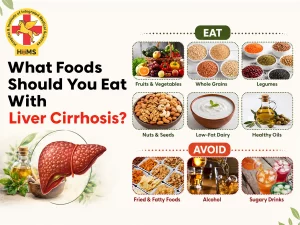
A cirrhosis-friendly diet generally leans on fresh fruits and vegetables, whole grains, and easily digestible preparations like khichdi, moong dal, and steamed vegetables. Bitter greens and liver-supportive herbs, turmeric, coriander, and mild digestive spices, are commonly worked into daily cooking as well.
2) Importance of Adequate Protein
This surprises a lot of people, but adequate protein intake matters significantly for people with cirrhosis, since the liver needs protein to repair itself, and the body overall needs it to prevent muscle wasting, a genuine concern in advanced cirrhosis.
The type and amount of protein does need individual guidance, though, since in certain complications like hepatic encephalopathy, protein intake sometimes needs careful adjustment rather than blanket restriction.
3) Foods to Limit or Avoid
Fried, oily, and heavily processed foods place unnecessary strain on digestion and should generally be minimised.
Alcohol is avoided entirely, without exception. Excess sugar and refined carbohydrates are also generally reduced, particularly for anyone whose cirrhosis has a fatty liver component.
4) Managing Salt Intake
Salt restriction matters enormously for anyone dealing with ascites or fluid retention, since excess sodium directly worsens fluid buildup in the abdomen and legs. This often means cutting back not just on table salt but also on hidden sodium in packaged and processed foods.
Can Liver Cirrhosis Be Prevented?
1) Managing Fatty Liver and Other Liver Conditions Early
Since fatty liver disease and chronic viral hepatitis are among the leading causes of cirrhosis, addressing either one early, through diet, weight management, or proper Ayurvedic support, genuinely reduces the chance of ever progressing to full cirrhosis down the line.
2) Maintaining a Healthy Lifestyle
Consistent, moderate habits around diet, movement, sleep, and alcohol intake collectively lower the risk of chronic liver injury building up over years without anyone noticing.
3) Regular Liver Health Check-ups
For anyone with known risk factors, family history, chronic hepatitis, obesity, or regular alcohol use, periodic liver check-ups genuinely matter, since catching early damage before symptoms appear is exactly what gives treatment the best chance of making a real difference.
4) Avoiding Unnecessary Medicines and Supplements
Long-term, unsupervised use of certain medications and even some over-the-counter supplements can quietly contribute to liver strain over time. Being thoughtful about what you’re regularly taking, and checking with a doctor rather than assuming something’s harmless just because it’s easily available, is a genuinely underrated part of liver protection.
When Should You See a Doctor for Cirrhosis Symptoms?
If you’re noticing persistent fatigue, unexplained weight loss, yellowing skin or eyes, abdominal swelling, or any confusion or memory changes, that’s genuinely worth a proper evaluation rather than waiting things out. Vomiting blood, black or tarry stools, sudden severe abdominal swelling, or fever alongside ascites need urgent medical attention immediately; these aren’t symptoms to sit with at home.
And if you carry known risk factors, chronic alcohol use, viral hepatitis, obesity with metabolic concerns, or a family history of liver disease, it’s worth getting checked periodically even without obvious symptoms, since Liver Cirrhosis so often builds quietly before announcing itself.
Conclusion
Liver Cirrhosis is a serious condition, but it isn’t the same story for everyone, early stages carry a genuine chance of improvement with the right, consistent care, while more advanced stages call for careful, structured management to protect quality of life. Understanding your specific stage, the underlying cause, and what your body actually needs matters far more than following generic advice found online. If you or someone you care about is navigating a liver cirrhosis diagnosis and wants to understand what a personalised Ayurvedic approach could genuinely offer, you can book a VOPD consultation with Jeena Sikho HiiMS and have that conversation directly with the team.
FAQ’s
1) What is the first sign of liver cirrhosis?
Liver Cirrhosis often causes no obvious symptoms at all, but when signs do appear first, they’re usually mild and easy to miss, persistent fatigue, reduced appetite, mild nausea, or slight discomfort in the upper right abdomen.
2) Can liver cirrhosis be cured completely?
While advanced cirrhosis with massive scarring is generally not reversible, liver fibrosis at an earlier stage has a genuine chance to get better if we treat the cause properly and keep that treatment on course.
3) How long can a person live with liver cirrhosis?
This varies enormously depending on the stage at diagnosis, the underlying cause, and how well the condition is managed, compensated cirrhosis generally carries a considerably better outlook than decompensated or end-stage disease.
4) Can fatty liver turn into cirrhosis?
Yes. Fatty liver disease can develop into steatohepatitis and chronic inflammation which can then lead to fibrosis and full cirrhosis over a number of years if not addressed.
5) What are the signs of end-stage cirrhosis?
End-stage cirrhosis is characterised by the presence of severe complications, marked jaundice, significant ascites, hepatic encephalopathy confusion, and a MELD score sufficiently high for transplantation consideration.