

A human body moves through countless everyday chores without us ever pausing to think about internal filters. Yet we continuously disregard our deep organs until a painful change suddenly disrupts our normal routine. While most people instantly worry about joint pain or digestion problems, our daily filtration system setup quietly processes blood away from our sight. Meaning that major functional issues often remain entirely silent during their initial stages.
Unfortunately, developing kidney cancer stands out as a highly critical example of these silent conditions that sneak up on a person, demanding your full, immediate attention before cell mutations spread further into healthy surrounding tissues.
To protect your long-term health, this comprehensive guide will point out everything you need to know, from recognizing early warning signs and identifying common risk factors to understanding standard clinical options, diagnostic steps, and how the balancing principles of Ayurveda offer a natural, supportive approach throughout your own recovery.
What Is Kidney Cancer?
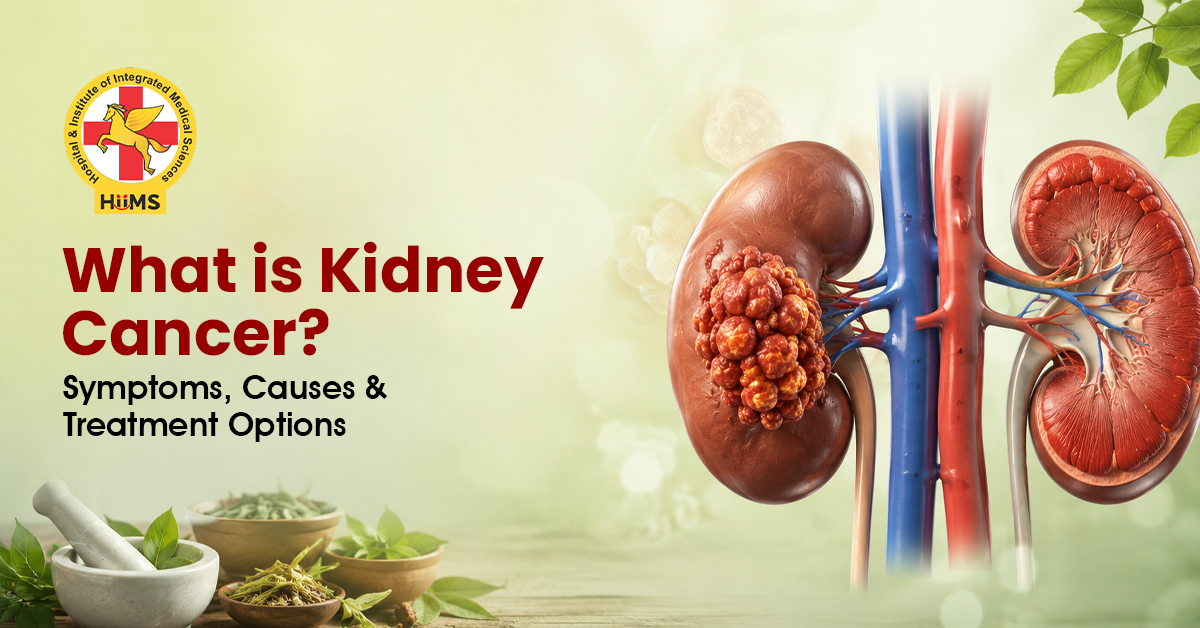
When long-term metabolic toxins or deep inflammation disrupt the internal tissue environment, normal cells inside the organ can begin multiplying out of control. This chaotic, uncoordinated cell growth slowly forms a solid, heavy lump known as a kidney tumor.
When these dangerous cell mutations originate directly in the small filtration tubes of the organ, the medical issue is called renal cancer, which is the absolute most common form adults encounter. It helps to understand that a benign growth is non-cancerous and stays in one place, whereas a malignant kidney tumor actively destroys healthy local tissue and can eventually journey into distant body parts.
Symptoms of Kidney Cancer You Should Not Ignore
Since kidneys have a good amount of empty physical space around them, a growing kidney tumor very rarely causes prominent pain or obvious warnings during its early days. However, as the localized cellular mass grows larger over time, your system will start throwing out clear distress signals that require an immediate medical checkup.
- Blood in Urine: Known in medical terms as hematuria, this is easily one of the most prominent warning flags of renal cancer. Your urine color can change completely, looking light pink, bright red, or even taking on a dark, smoky cola shade.
- Persistent Pain in the Back or Side: This is quite different from a simple muscle pull caused by heavy lifting or a bad sleeping position. This isn’t a temporary cramp. A constant, heavy ache or sharp spike of pain stays locked on one side of your lower back.
- Lump Around the Kidney Area: As the cell growth expands, you or a doctor during an physical examination might actually feel a thick lump, hard spot, or noticeable swelling deep beneath your skin on your side.
- Unexplained Weight Loss: When you drop weight very fast without cutting food or tracking calories, your body is burning its energy reserves to fight an internal enemy.
- Fatigue That Doesn’t Improve: This is a state of heavy, ongoing physical exhaustion that leaves you feeling completely drained of daily energy even after getting a full, comfortable night of deep sleep.
- Loss of Appetite: A sudden, lasting drop in your daily desire to eat, where even your favourite homemade dishes do not taste good, frequently happens as a kidney tumor grows.
- Recurrent Fever Without Infection: Running a continuous low-grade body temperature that keeps returning without any underlying cold, cough, flu, or viral infection is another vital sign to monitor closely.
What Causes Kidney Cancer?
While researchers have found that there is rarely one single reason why a person develops Kidney Cancer, certain everyday habits and health conditions can heavily increase your risks.
- Smoking: Inhaling tobacco smoke regularly floods your blood with chemical toxins, forcing your natural filters to deal with harsh impurities every day.
- Obesity: Carrying excessive body weight impacts your internal hormone balance and places a continuous strain on your entire filtration network.
- High Blood Pressure: Long-term, uncontrolled hypertension weakens the tiny, delicate blood vessels inside your organs, lowering their natural cleansing power.
- Family History and Genetic Factors: Having close blood relatives who have faced renal cancer means your personal baseline risk of developing a kidney tumor could be higher.
- Exposure to Harmful Chemicals: Spending years working around industrial substances like heavy metals or industrial solvents impacts cellular health over time.
- Increasing Age: The probability of cellular mutation naturally climbs as we grow older, with most cases found in individuals over forty.
- Long-Term Kidney Problems: People who have spent years managing chronic kidney issues or undergoing regular dialysis treatment run a much higher health risk.
Treatment Options for Kidney Cancer
The exact health care path always depends on the current stage of the illness, the physical size of the mass, and the patient’s age.
Surgery
To stop the illness from traveling, specialists will remove the specific kidney tumor mass or completely extract the damaged kidney during advanced stages.
Targeted Therapy
This method uses specialized medications engineered to block the specific chemical signals and blood vessels that abnormal cells need to grow.
Immunotherapy
This approach uses modern medicines to kickstart your body’s own natural immune system, helping it recognize and destroy abnormal cells much more effectively.
Radiation Therapy
High-energy rays are aimed at the mass to shrink the physical growth and provide relief from severe localized pain.
Active Surveillance
For tiny, slow-growing masses found in elderly individuals, doctors often choose to monitor the growth with regular scans instead of starting aggressive treatments right away.
A Note on Side Effects: Standard modern treatments are highly technical but also may frequently bring heavy, draining side effects like extreme weakness, constant nausea, and long recovery periods. Because of this, many people look toward traditional holistic systems like Ayurveda, which emphasize natural healing with minimal to zero side effects.
Can Ayurveda Play a Supportive Role in Kidney Cancer Care?
Rather than looking at our bodies as a box of separate parts, Ayurveda treats health like a single, connected ecosystem. It refuses to focus all its attention solely on a physical tumor mass. Instead, this ancient approach clears out blocked internal tracks and actively wakes up your body’s own natural defences to restore real balance.
Ayurvedic Therapies That May Complement Overall Care
- Panchakarma: Traditional purification therapies help flush out deeply embedded metabolic toxins from your blood channels.
- Personalized Herbal Support: Using traditional plants like Punarnava, Varuna, and Gokshura assists in reducing tissue swelling and improves the natural strength of your filtration system.
- Diet Correction: Switching over to an organic, alkaline, plant-based diet significantly lowers the daily workload placed on your internal organs.
- Lifestyle Modification: Reorganizing your sleeping habits helps your cells repair and rebuild themselves naturally every night.
- Yoga and Stress Management: Gentle breathing exercises calm your nervous system, which directly helps improve your overall physical immunity.
How Jeena Sikho HiiMS Approaches Kidney Health
At Jeena Sikho HiiMS hospitals, the doctor’s team uses an integrated care philosophy to help individuals rebuild their physical vitality from the ground up. They combine ancient natural principles with modern assessment techniques to map out a truly personalized treatment plan for every patient who seeks their guidance.
First, the experts meet for an Ayurvedic consultation to track down the exact internal imbalances behind your illness. You then step into targeted Panchakarma cleanings and unique naturopathy routines. Finally, custom diet planning and lifestyle advice quickly flip your daily routine toward clean, chemical-free meals.
This entire patient-focused healing approach completely avoids aggressive methods, working instead to restore long-term strength, clear toxic waste, and activate the body’s natural self-repair pathways.
Conclusion
Facing kidney cancer is highly stressful since a hidden kidney tumor expands quietly over several months. However, listening to minor bodily changes can make a massive difference in your baseline recovery. Learning about all available medical paths helps people make calm, well-informed decisions for their personal health.
Along with necessary medical treatments, adopting clean daily choices and choosing traditional Ayurvedic support can significantly boost your overall internal vitality. To find a personalized roadmap to complete wellness, you can also opt for an online video consultation (VOPD) for your health issue with expert doctors at Jeena Sikho HiiMS.

FAQs
Q.1 Can a kidney tumor turn out to be completely non-cancerous?
Ans: Yes, some growths in the organ are entirely benign, meaning they are non-cancerous and do not spread into surrounding tissues.
Q.2 How does high blood pressure elevate my risk of renal cancer?
Ans: Chronic high blood pressure relentlessly damages your renal blood vessels, causing deep tissue strain that eventually forces normal cells to mutate.
Q.3 Does smoking directly damage our internal kidney cells?
Ans: Yes, smoking introduces heavy chemical toxins into your blood, which harms your organs as they constantly try to filter them out.
Q.4 What is the most common age group for developing kidney cancer?
Ans: This condition is most frequently diagnosed in adults who are over the age of forty.
Q.5 How does Ayurveda help a person who is undergoing standard kidney care?
Ans: Ayurveda focuses on clearing deep tissue toxins, strengthening your natural immunity, and may help in reducing the stress caused by aggressive medical therapies.