

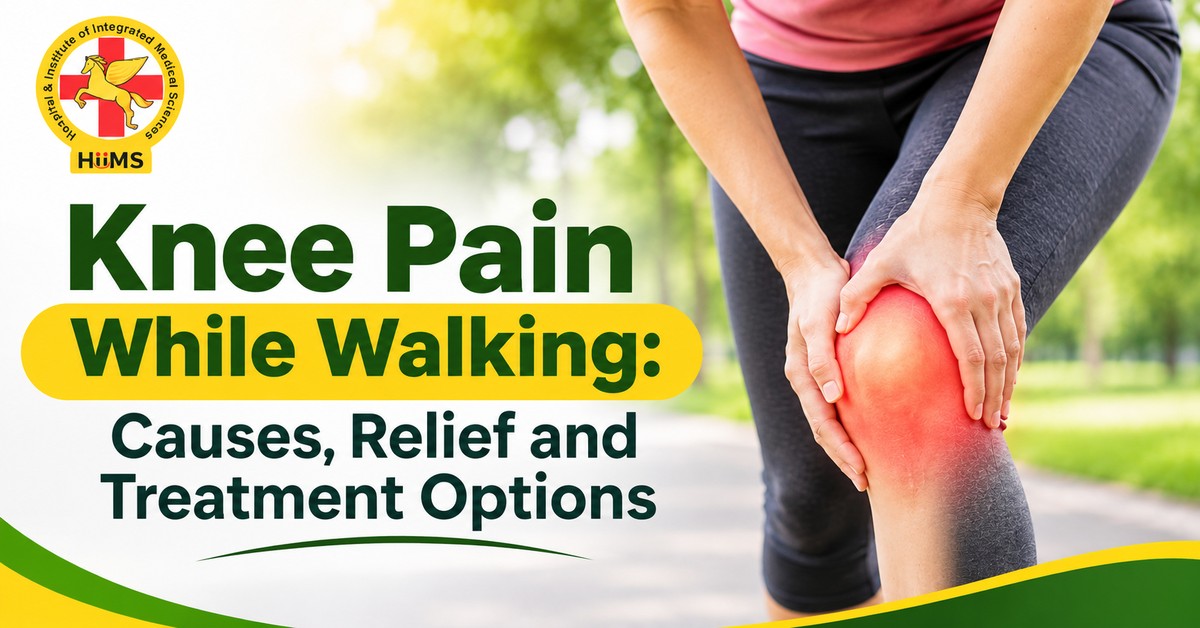

Walking is one of our everyday activities. Regardless of whether you are going to work, climbing up stairs, doing shopping, or just having a morning walk, in all of those situations, your knees work for you. And what to do if each step begins to hurt? The pain in knees during walking is an uncomfortable feeling that can influence your daily life in the long run.
There are different reasons for knee pain. The reason for that may be both trauma and overload from physical activity. Age-related changes of joints, as well as arthritis, overweight, or lack of muscle strength, may also become the reason for your suffering. The solution depends on the nature and level of the problem.
If you want knee pain treatment, it would be useful for you to know the causes of knee pain. This blog describes the possible reasons for knee pain, its methods of treatment, and the benefits of choosing proper options when it is necessary.
What Are the Common Causes of Knee Pain?
Knee pain can affect people of different ages. Some people feel discomfort only while walking, while others experience stiffness after sitting or difficulty bending their knees.
Here are some common causes of knee pain.
1. Osteoarthritis
In osteoarthritis, changes occur in the cartilage and other structures within the joint. Pain occurs when one walks, stiffness when resting, and inflammation and restricted mobility are among the possible symptoms. Such symptoms usually arise slowly.
According to the World Health Organization (WHO), approximately 528 million people worldwide were living with osteoarthritis in 2019. Among them, around 365 million people had knee osteoarthritis, making the knee the most commonly affected joint. This highlights the importance of early evaluation and appropriate joint care.
2. Injuries to the Knee Joint
Injuries may affect the ligaments, tendons, or cartilage in the knee joint. In some cases, injuries occur due to accidents. The pain usually appears suddenly and is accompanied by inflammation or difficulty using the injured limb.
3. Obesity
Obesity leads to increased load on knee joints while walking and going up the stairs. Such extra stress may lead to pain, especially in case of some disease in the joints.
Research and clinical guidelines also highlight the connection between body weight and knee osteoarthritis. According to the National Institute for Health and Care Excellence (NICE), weight management can help people with osteoarthritis who are overweight or obese by reducing pain and improving physical function.
4. Weak Muscles and Excess Strain
Weak muscles in the region of the thighs and hips can impact the movements of the knee joint and its bearing capacity under pressure. Long-term squatting, running, climbing, or standing can lead to knee pain as well.
5. Other Joint Diseases
There are other joint diseases, including rheumatoid arthritis, gout, and infectious joint diseases, that also result in knee pain. Each disease comes with different symptoms, and treatment needs to be determined separately.
How Can You Get Relief from Knee Pain While Walking?
The methods that can help will depend on the cause of your pain. In case of minor pain with no red flags, there are some basic ways that might assist you.
- Take it easy on your knee. Avoid activities which lead to your pain, for example, frequent stair use or walking for a long time. But don’t immobilise yourself for a long period without a healthcare provider’s recommendation.
- Use a cold pack. If your knee is swollen or painful after an injury, apply an ice pack covered with a towel for about 20 minutes. Never use ice directly on the skin.
- Choose light physical activity. When it becomes possible, suitable exercises can help you keep flexibility and strengthen muscles which support the knee joint. You can get advice from a physiotherapist or other qualified specialist.
- Keep a healthy weight. In case you have extra weight, you can lose it gradually, thus decreasing stress on your knees.
- Avoid self-medication. Don’t take painkillers or herbal remedies regularly without being sure if they suit you.
How Can Ayurveda Support Knee Wellness?
In Ayurveda, knee health is evaluated through various aspects, including daily routine, diet, exercise, and Vata dosha. Depending on an individual’s condition, an experienced Ayurvedic practitioner may recommend suitable lifestyle changes and therapies to support joint comfort.
Some commonly recommended Ayurvedic therapies include:

- Abhyanga: A gentle massage using Ayurvedic oils to support relaxation and joint comfort.
- Janu Basti: A therapy in which warm oil is retained over the knee within a dough boundary to provide soothing warmth.
These therapies may be considered for general comfort in selected cases, but their effectiveness is not well established. Massage and heat should be avoided if the knee suddenly becomes swollen, red, or hot, as this may indicate an underlying medical condition.
You can consult an Ayurvedic expert at Jeena Sikho HiiMS for guidance on joint wellness. Ayurvedic care should always be combined with appropriate medical evaluation when needed.

What Does Research Say About Exercise and Knee Pain?
According to the NICE clinical guidelines for osteoarthritis (2022), therapeutic exercise, including muscle-strengthening and aerobic activities, is one of the core approaches for managing osteoarthritis. Regular exercise can help reduce pain, improve physical function, and support quality of life over time.
Similarly, the Centers for Disease Control and Prevention (CDC) highlights that physical activity can help people with arthritis reduce joint pain and improve mobility. Low-impact activities such as cycling, swimming, and walking may be suitable depending on an individual’s condition.
These findings support the importance of appropriate physical activity rather than prolonged inactivity. However, exercises should be selected according to the person’s symptoms and physical capacity.
When Should You Consult a Knee Pain Doctor?
A knee pain doctor will help determine what is causing your pain and suggest the appropriate treatment for you. Consult a healthcare professional if you have pain that doesn’t go away, frequent swelling, stiffness, inability to bend the knee, or instability of the knee.
Consult a doctor right away when you are unable to place the weight on your leg, your knee becomes swollen and changes shape, or you experience severe pain. Your knee may turn out to be hot and swollen with fever, which might be a sign of infection. A medical expert will examine your knee and conduct additional tests.
What Are the Benefits of Choosing Non-Surgical Treatment?
Not every case of knee pain requires surgery. Depending on the cause and severity, nonsurgical options may be considered before an operation.
Possible benefits include:
Less invasive care: Options such as guided exercises, physiotherapy, activity changes, and suitable medicines may help manage some knee conditions without an operation.
Support for movement: Strengthening exercises and mobility guidance may help improve function and make daily activities easier.
Flexible care plans: Treatment can be adjusted according to your symptoms, health history, age, and activity level.
Recovery at home: Many nonsurgical approaches can be followed at home with suitable professional guidance and regular review.
What Do Clinical Guidelines Say About Non-Surgical Care?
The NICE guideline on osteoarthritis (NG226) recommends therapeutic exercise and weight management, where appropriate, as important parts of treatment. It also explains that manual therapy should only be considered alongside therapeutic exercise because there is insufficient evidence to support its use alone.
This evidence highlights the importance of combining appropriate lifestyle changes, physical activity, and professional guidance rather than depending on a single treatment method.
However, nonsurgical treatment is not appropriate for every condition, and it cannot guarantee that surgery will never be needed. Serious injuries, advanced joint damage, or other specific conditions may require surgical assessment. Discuss the available options with a qualified healthcare professional.
Conclusion
Walking knee pain can occur due to a number of causes, such as arthritis, injuries, weak muscles, and strain. It is essential to understand the root cause before opting for an appropriate form of treatment.
In case you need to see a knee pain treatment specialist, never neglect pain or swelling in the knees. An experienced medical professional will assist you in determining the most suitable form of treatment for you that may include physical exercises, physiotherapy, medicines, or Ayurveda health tips.
Non-surgical care may help many people manage certain knee conditions, but results depend on the underlying cause. For general Ayurvedic wellness guidance, you can enquire about a VOPD consultation with Jeena Sikho HiiMS, where available.

FAQs
1. Why am I having knee pain while walking?
There may be several reasons for knee pain, including but not limited to arthritis, injury, weak muscles, overuse of muscles, and so forth. In case you have been suffering from knee pain, it is better to consult a medical practitioner.
2. Is it possible to ease my knee pain without an operation?
It is quite possible to manage some cases of the knee pain without surgery through exercises and physiotherapy.
3. When do I need a doctor for knee pain?
You need to consult a doctor if the knee pain persists, is recurring, interferes with your normal activities or if you have the serious symptoms like difficulty carrying any weight.
4. Will Ayurvedic treatments work for knee pain?
Ayurveda can work on some people to help them with knee pain.
5. Is home treatment enough for knee pain?
Home treatments can help with knee pain, but they may not solve the problem completely. You need to get a diagnosis to identify the cause of the pain.

Leave a comment