


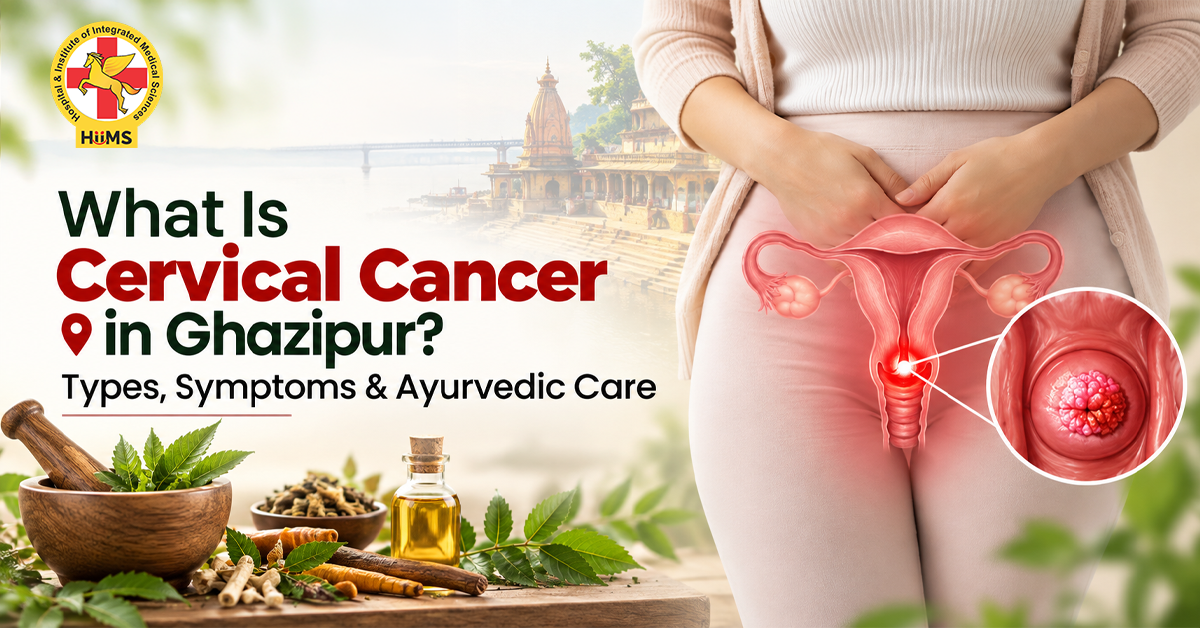
Cervical cancer is a health problem that can affect women at any stage of life. For a family in Ghazipur, even the word cancer brings fear and many questions. The first question is often simple: what is cervical cancer, and how does it begin?
The cervix is the lower part of the womb that opens into the vagina. Cancer starts when cells in this area grow without control. In most cases, a long-term infection with high-risk HPV, the human papillomavirus, plays the main part. The WHO says almost all cases are linked to this virus.
The disease grows slowly, and early changes often give no clear sign. That is why timely screening matters so much. A district-wise study of Uttar Pradesh, based on the National Family Health Survey, found that only about 1.3 percent of women aged 30 to 49 in Ghazipur had ever been screened for cervical cancer. The figure for the whole state was 1.5 percent.
In clinical practice, doctors often observe that women reach the clinic late because early changes feel small or are hard to talk about. This blog explains the types, signs, causes, and a gentle Ayurvedic way of care in plain words, so you can act early and ask the right questions.
What Is Cervical Cancer? The Basics
The cervix is the narrow lower part of the womb that joins it to the vagina. This disease starts when cells here grow without control. If not found in time, it can spread to the bladder, bowel, or lungs.
In simple words, it is a cancer that begins in the cervix, mostly after a long HPV infection that harms the cells over many years.
The WHO fact sheet on cervical cancer says the disease is more common in poorer countries. India also has a large share of cases, as the GLOBOCAN India fact sheet shows.
If you notice unusual bleeding, discharge, or pain in the lower belly, please Consult or qualified doctor without delay.

Understanding Cervical Cancer Types
The main cervical cancer types are named by the cells where the growth begins.
- Squamous cell carcinoma: Starts in the thin, flat cells on the outer cervix. It is the most common type.
- Adenocarcinoma: Starts in the gland cells inside the cervix. It is harder to notice.
- Adenosquamous carcinoma: Shows features of both types. It is less common.
Knowing the type helps doctors understand how the disease behaves and plan the right care.
Common Cervical Cancer Symptoms to Notice
Early disease often gives no signs. When cervical cancer symptoms do appear, they look like common women’s problems, so many women ignore them.
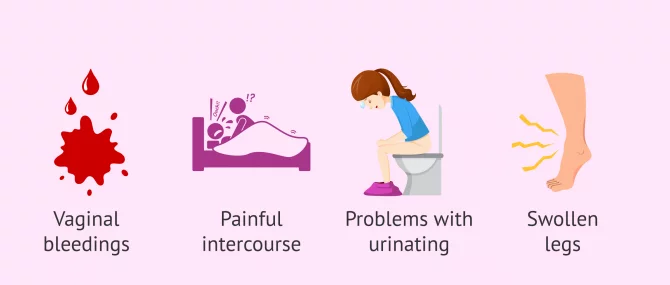
- Bleeding between periods
- Bleeding after intercourse or after menopause
- Periods that turn heavier or last longer
- Watery, blood-stained, or foul-smelling discharge
- Pain in the lower belly or during intercourse
In later stages, a woman may also feel back pain, leg swelling, painful urination, or deep tiredness. These signs do not confirm cancer, but they always deserve a proper check.
Factors Linked With Cervical Cancer Causes
The main cervical cancer causes are linked with an HPV infection that stays in the body for many years. The body clears most HPV infections on its own. Trouble starts when the virus stays and slowly changes the cells.
Other factors can raise the risk:
- Smoking or chewing tobacco
- A weak immune system
- Many childbirths
- Long use of hormone pills
- Other infections in the private area
The WHO fact sheet on cervical cancer reports that about 94 out of every 100 cervical cancer deaths happen in low and middle-income countries. It also says the change from HPV to cancer usually takes many years, which gives women a long window for prevention.
How Does Ayurveda See Cervical Cancer?
Ancient texts do not use the name cervical cancer. They describe abnormal growths as Granthi (a lump) or Arbuda (a spreading growth).
In this view, such growths begin when the doshas, mainly Vata and Kapha, go out of balance. Weak digestion (Agni) creates waste called Ama, and over time the tissues lose strength. Poor food, broken sleep, tobacco, and constant stress add to this.
Ayurvedic Approach to Cervical Cancer
The Ayurvedic approach to cervical cancer is supportive and personal. It gives attention to possible root causes related to daily habits, digestion, sleep, mental well-being, food, and lifestyle.
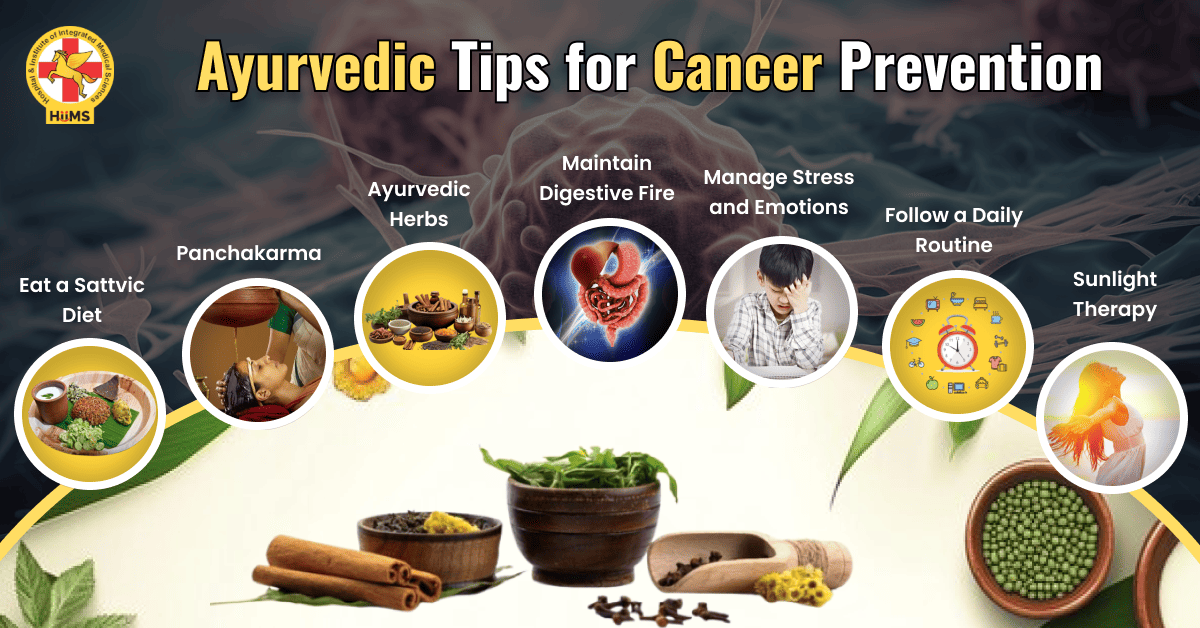
Ayurveda works through four areas:
- Aahar (food): Fresh, warm, home-cooked meals with vegetables, pulses and seasonal fruits. Light meals and planned gaps between meals may support autophagy, the body’s natural process of clearing and recycling old, worn-out cells.
- Vihar (lifestyle): Regular sleep, gentle walks, yoga, and breathing practice for calm.
- Shaman (medicines): Herbs such as Ashwagandha, Giloy and Amla, used for strength after a doctor’s review. A cancer detox juice made from herbs and vegetables may also be advised to support digestion and cleansing.
- Shodhan (cleansing): Panchakarma, a set of classical cleansing therapies, planned only when the body is strong enough. Golden therapy added as a supportive therapy after assessment.
Together, these areas support overall health through personalised food, lifestyle, medicines, and therapies.
How Care Is Planned at Jeena Sikho HiiMS Ghazipur
At Jeena Sikho HiiMS, the care plan begins by understanding the woman’s history, daily habits, digestion and mental state. Food, lifestyle, Ayurvedic medicines, and supportive therapies are then planned according to individual needs.
Why Families Look Beyond Conventional Care
Surgery, radiation, and chemotherapy are the usual routes in modern medicine. Doctors often see that these can bring heavy tiredness, nausea, hair loss, skin burning, weak digestion, and effects on the bladder and fertility.
Because of this, many families look for gentler support that builds strength and comfort. No one should stop a prescribed treatment without expert advice. Still, the body needs care that rebuilds, not only care that attacks.
Conclusion
Understanding ‘what is cervical cancer’ can help women become more aware of their health and notice changes in the body. Ayurveda looks at the person as a whole and gives importance to food, digestion, sleep, daily routine, mental wellbeing, and individual health needs. This approach may provide supportive care focused on overall strength and wellbeing.
At Jeena Sikho HiiMS Ghazipur, the Ayurvedic care is planned according to each person’s health condition, daily routine, and individual needs. You can book a free consultation to discuss your concerns with a qualified doctor from the comfort of your home.

FAQs
1. What is cervical cancer in simple words?
Cervical cancer is a cancer that begins in the cells of the cervix, which is the lower part of the womb.
2. Can cervical cancer develop without symptoms?
Yes, early changes may not cause noticeable symptoms, which is why women may not realise that something is wrong.
3. Does cervical cancer take many years to develop?
In many cases, changes caused by the persistent HPV infection can take several years to progress.
4. How does Ayurveda look at cervical cancer care?
Ayurveda takes a whole body approach and may focus on food, digestion, lifestyle, sleep, mental wellbeing, and supportive care.
5. Why is individual assessment important in the Ayurvedic care?
Every person’s health, digestion, lifestyle, and strength are different, so the same care plan may not suit everyone.