

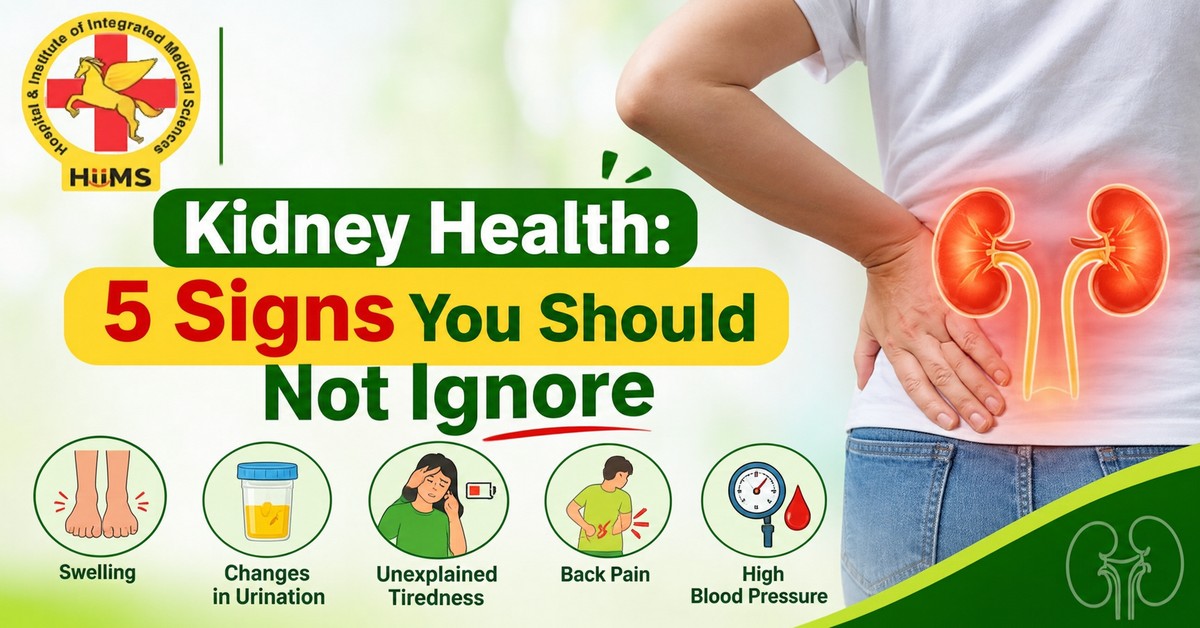

Your kidneys are silent wonders. They continuously check electrolyte levels, maintain blood pressure, regulate the body’s fluid composition, and filter pollutants. However, these vital filtration organs might be continuously stressed by modern lifestyle choices, poor food, and other health issues. You can protect your future health and prevent any potential harm by being able to recognise probable symptoms.
It’s crucial to know how to ask a kidney diseases (nephrologist) for expert assistance. Prompt action will prevent the development of complex chronic diseases from basic metabolic problems.
This blog’s goal is to provide you with advice on whether to consult a kidney specialist, how to recognise early warning indicators, and when to seek emergency care.
First, let’s learn about kidney issues.
In India and around the world, kidney problems are frighteningly on the rise. Sedentary lifestyles, eating junk food heavy in sodium, high levels of stress, and an increase in cases of diabetes and hypertension are the causes of this. Understanding the causes of kidney disorders helps people take preventative action.
Chronic kidney disease sometimes develops slowly over months or years without exhibiting significant early signs, according to study released by the National Institute of Diabetes and Digestive and Kidney Diseases (NIDDK). Lifestyle-induced metabolic stress has a major impact on kidney health across the country, according to data from the Indian Council of Medical Research (ICMR).
Were You Aware?
Over 10% of adults worldwide are thought to have kidney impairment, but because the early stages are often asymptomatic, people are frequently unaware of it.
Five Crucial Indications That a Nephrologist Is Needed
Rarely do kidney problems manifest overnight. Long before lab results become concerning, your body frequently communicates subtle indications.
To enable early treatment, it’s critical to recognise the following signs of kidney disease:
Persistent Swelling: The ineffective elimination of water and sodium by your impaired kidneys is indicated by swelling of the cheeks, eyes, or ankles.
Changes in Urination: Blood in the urine indicates issues with the filters, inflammation, or stones, whereas bubbles in the urine can be a sign of protein loss.
Unresponsive Blood Pressure: Stress on your kidneys is the cause of uncontrollable hypertension even after taking multiple medications.
Unexpected Fatigue: Reduced erythropoietin production and low red blood cell counts result in fatigue and disorientation.
Unusual Test Outcomes: Your test results should be properly evaluated if they show high levels of creatinine, low levels of eGFR, or microalbumin.
Do You Experience Unexplained Fatigue, Changes in Urination, or Consistent Swelling? Book a Free Consultation today: An Ayurvedic vs. Conventional View of Kidney Care
Understanding one’s body is a strategy that should take a multifaceted approach to healthcare. This covers both Ayurvedic and contemporary medicine.
Traditional (Allopathy) Therapy
In terms of modern medicine, it controls blood pressure, checks eGFR indicators, and offers an immediate diagnostic.However, traditional methods focus more on treating symptoms than the underlying biochemical factors that cause them.
The Ayurvedic Viewpoint
Srotas (micro-channels) and doshas are the foundation of Ayurvedic renal care.Reviving the digestive fire (agni), getting rid of ama (toxins), and nourishing the tissues (dhatu) are the main goals of traditional healing systems.
The Integrative Kidney Care Method Used by HiiMS
In order to support natural healing, Jeena Sikho HiiMS combines contemporary monitoring diagnostics with time-tested Ayurvedic methods.
Root-cause management, not temporary palliation, is the foundation of our holistic therapeutic philosophy.
The GRAD treatment is a gravity treatment that helps prevent fluid retention in the legs and maintain appropriate blood circulation.
Hot Water Immersion (HDT): A therapeutic technique to help patients relax and improve peripheral blood circulation.
Fresh seasonal fruits, vegetable salads, and balanced meals of alkaline foods are examples of balanced pH nutrition, as explained in the HiiMS nutrition guide (start your day with a fresh drink of ginger, turmeric, or any herb, and then have Plate-1 raw salads and Plate-2 cooked millets/grains).
Posture therapy: mild body alignment exercises to boost vitality and reduce stress.
Pulse Diagnosis: Experts utilise this age-old method to identify any dosha imbalance.
See the Jeena Sikho HiiMS Kidney Care Guide for additional details on healing techniques.
Dietary and Lifestyle Advice for Healthy Kidneys
You must use caution when making adjustments to your everyday routine in order to take care of your kidneys at home. You can get long-term advantages by making small adjustments.
Hydration: To prevent overhydration, make sure you drink water in accordance with your thirst and your renal specialist’s recommendations.
Cautious Salt Intake: To reduce the burden on your kidneys, limit your consumption of processed meals and excessive amounts of table salt.
Herbs for Ayurveda: Make sure you take the healthy herbs, such Gokshura and Punarnava.
When to Seek Urgent Medical Attention
While prevention is crucial, there are several warning indications that require prompt medical intervention from a medical emergency team or specialist:
- severe dyspnea accompanied by chest discomfort.
- either very little or no urine production.
- high fever accompanied by flank or lower back ache.
- Lethargy or confusion.
Conclusion
Make an appointment for a free consultation with Jeena Sikho HiiMS right now.
Knowing what has to be done is essential to protecting the health of your kidneys. Delaying your test appointment and maintaining an unhealthy lifestyle could lead to further problems down the road.
You can naturally keep your kidneys healthy with the aid of contemporary testing techniques and the ancient knowledge of Ayurveda.Anticipating a comprehensive approach to well-being? Visit Jeena Sikho or schedule a VOPD consultation at Jeena Sikho HiiMS right now.

FAQs
1. When should I consult a nephrologist rather than a general practitioner?
when there are ongoing test abnormalities, medication-uncontrolled hypertension, oedema, and urine issues.
2. Are there any advantages to using Ayurveda to treat renal issues in their early stages?
Yes, since the holistic treatment uses herbs, cleansing, and dietary adjustments to support your kidneys.
3. What is meant by eGFR? What makes it significant?
How well your kidneys are removing waste from your blood can be determined using the estimated glomerular filtration rate (eGFR).
4. Does HiiMS care for individuality?
Indeed, every treatment offered by Jeena Sikho HiiMS will be tailored based on the doshic analysis, test findings, and a number of other aspects of the patient’s life.
5. How can I schedule a consultation with Jeena Sikho HiiMS’s experts?
It is simple to schedule an appointment for either Video OPD (VOPD) or an in-hospital consultation via the Jeena Sikho HiiMS site.
Leave a comment