

Blood pressure is something we all hear about, but very few of us really understand what it means for the body. In simple words, blood pressure is the force with which the blood pushes against the walls of our blood vessels. When this force stays high for a long time, it starts to damage the body slowly, without giving many of the warning signs. This is why the doctors often say that high blood pressure is a silent problem. It may not cause any symptoms in the beginning, but it can affect the body over time.
One of the serious complications of this condition is stroke. The link between high blood pressure and stroke is something every person should know about, whether young or old. In this blog, we will talk about this connection in very simple words, understand the risk factors, look at the warning signs, and also see how nature and Ayurveda look at this problem in a balanced way.
The Connection Between High Blood Pressure and Stroke
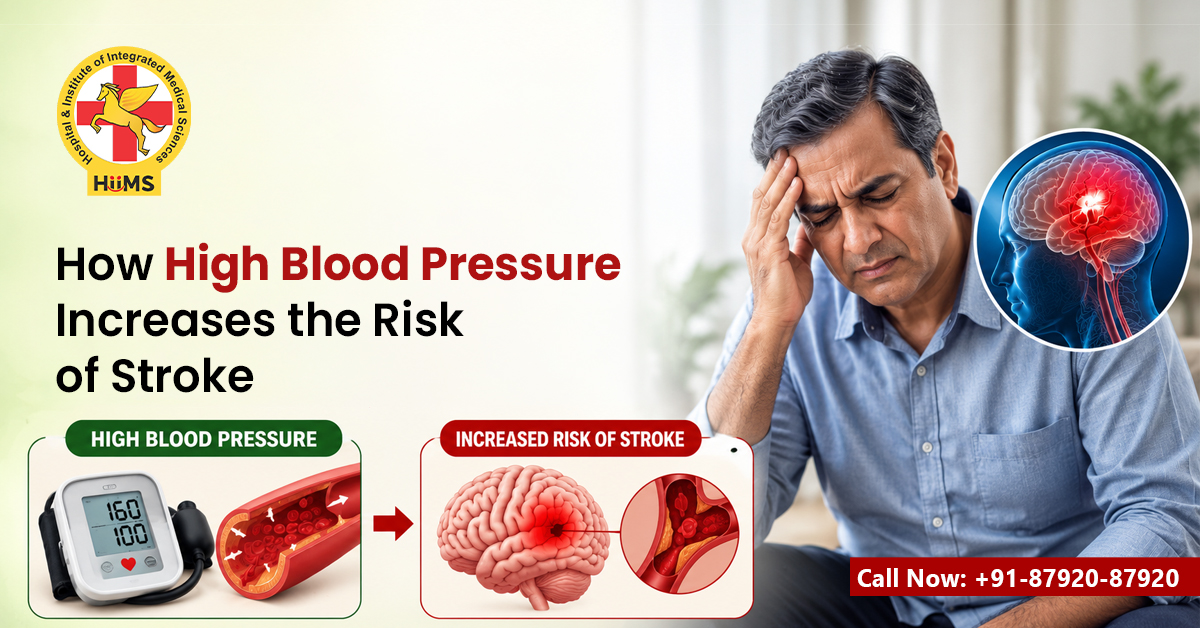
To understand how high blood pressure causes stroke, we first need to know what a stroke is. A stroke happens when the blood supply to a part of the brain gets blocked or when a blood vessel in the brain bursts. When the brain does not get enough oxygen and the nutrients, cells start to die within minutes.
If the blood pressure is high for a long time, it can damage the blood vessels. Over time, these blood vessels become weak and damaged, making them more likely to get blocked or burst. This is why high blood pressure and stroke are closely linked. Keeping the blood pressure under control can help protect the brain and support the overall health.
What Are the Risk Factors Behind This Problem
The risk of stroke from high blood pressure is not the same for everyone. Some people are more likely to face it because of certain factors that build up slowly over the years.
- Growing age, since blood vessels naturally become less flexible with time.
- Family history of blood pressure problems or stroke.
- Eating too much salt and oily food.
- Sitting for long hours without any movement.
- Smoking and drinking alcohol.
- Poor sleep and constant mental stress.
- Obesity and diabetes that put stress on the heart and vessels.
All these small habits together build up over years and quietly increase the risk of stroke from high blood pressure.
Warning Signs That Should Never Be Ignored
The body often gives hints before a major problem happens, but many people ignore them, thinking it is just tiredness. Some common warning signs before a stroke are,
- Sudden weakness on one side of the body
- Difficulty in speaking or understanding words
- Sudden confusion
- Blurred vision
- Severe headache without any reason
- Loss of balance while walking
If any of these signs appear, even for a few minutes, it should be taken seriously. Many people delay checking their blood pressure regularly, and this delay becomes dangerous. Regular checkups can catch the problem early and reduce the chances of a sudden stroke.
How Ayurveda Looks at Blood Pressure Problems
Ayurveda is an ancient system of health. It says our body works through the three natural energies called Vata, Pitta and Kapha. These energies when balanced keep the body healthy.
- High blood pressure is often linked to an imbalance in Vata and Pitta doshas.
- Vata imbalance affects the nervous system and blood flow.
- Pitta imbalance brings the excess heat and pressure into the system.
- Ayurveda focuses on bringing the whole body back into the balance, not just controlling the numbers on a machine.
At Jeena Sikho HiiMS Clinic Bokaro, this balanced approach is followed, where the root cause is understood before suggesting any care, rather than just looking at the reading of the pressure.
Natural Ways to Support Healthy Blood Pressure
Nature has given us many simple tools to support the heart and blood vessels.
- Herbs like arjuna, ashwagandha and brahmi have been used since ancient times to support heart health and calm the nervous system.
- Simple breathing exercises like Anulom Vilom help keep the mind calm and support better blood flow.
- Eating fresh, home-cooked food with less salt and more vegetables supports balance in the body.
- Reducing tea, coffee, and processed food slowly brings positive changes.
These small natural steps, when followed daily, can support the body in maintaining a steady and calm pressure level over time. This is why many people now prefer a gentle high blood pressure treatment rooted in nature rather than only depending on quick fixes.
How Balancing Blood Pressure Helps Prevent Stroke
When blood pressure stays balanced, the walls of blood vessels remain strong and flexible for a longer time. This reduces the chances of clots forming or vessels bursting suddenly. In simple words, keeping blood pressure under control is one of the strongest ways to reduce the danger of a stroke.
A balanced approach that includes diet, daily movement, calm breathing, and natural herbs works slowly but gives lasting results. It is not about one single remedy but a complete lifestyle that keeps supporting the heart and brain together.
Conclusion
High blood pressure is not something to take lightly, since its deep connection with stroke can affect a person’s whole life in one moment. Understanding how high blood pressure causes stroke helps us take small steps early instead of waiting for a big problem.
The bond between high blood pressure and stroke reminds us that daily habits matter more than we think. Choosing the natural and balanced path, as the one followed at Jeena Sikho HiiMS Clinic, can support long-term health in a gentle way. A VOPD consultation can help you understand the condition and guide you towards healthier daily habits.

FAQs
1. Why is high blood pressure called a silent problem?
Because it damages the body slowly without showing the clear symptoms in the beginning.
2. What happens inside the brain during a stroke?
The blood supply to a part of the brain gets blocked, or a vessel bursts, and brain cells start dying due to lack of oxygen.
3. Is there a safe blood pressure range to avoid stroke risk?
Keeping blood pressure within a normal and steady range greatly lowers the risk of stroke.
4. What role does salt intake play in raising blood pressure?
Too much salt causes the body to retain extra fluid which increases blood pressure over time.
5. Is Arjuna Herb Good for Heart Health?
Yes, Arjuna has been used since ancient times to support the heart and blood vessels.