
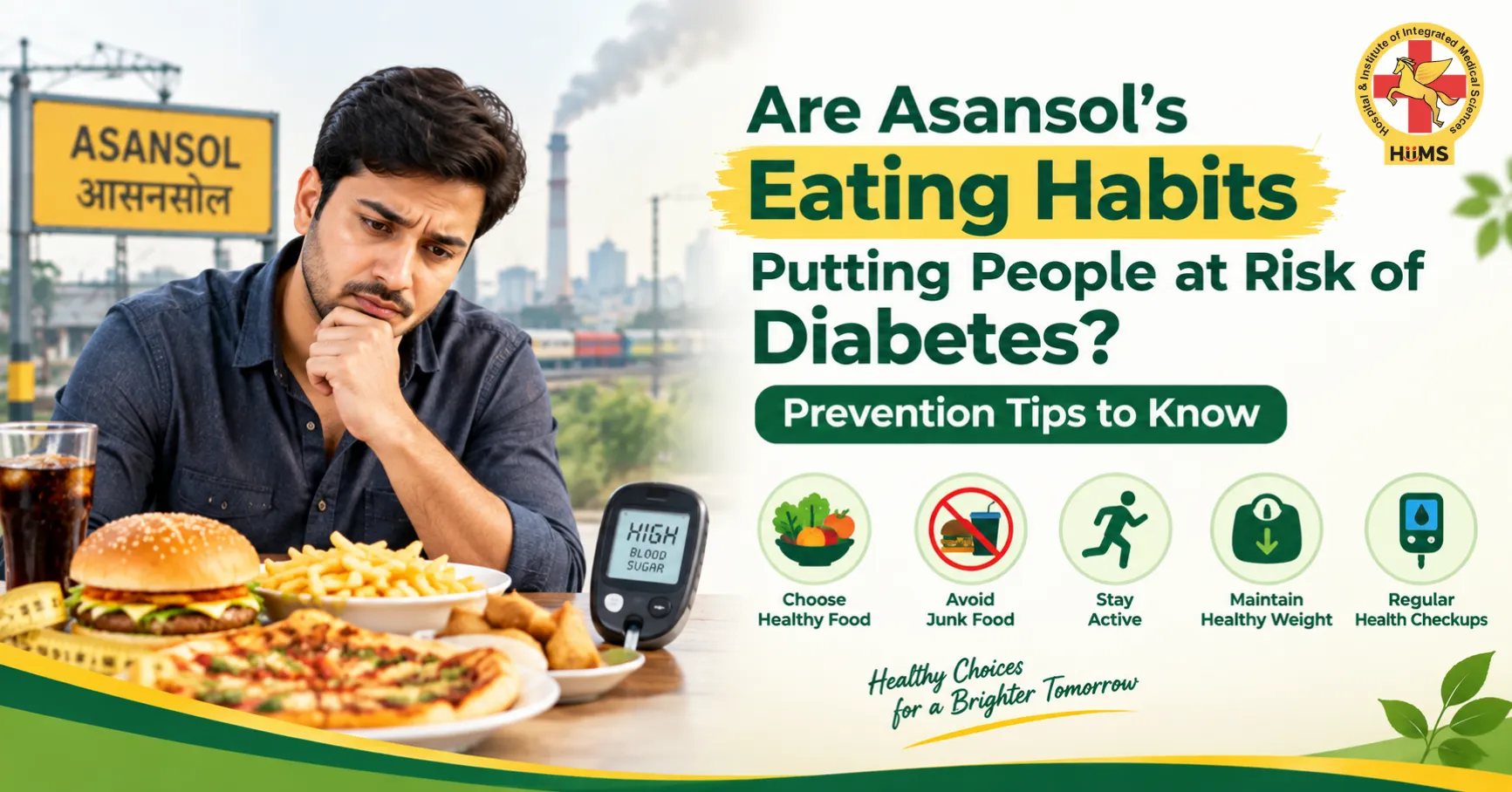

A plate of rice, a serving of aloo posto, luchi on a special morning, or a sweet after a meal—food is an important part of everyday life in Asansol, just as it is across Bengal. However, when meals regularly contain large portions of refined carbohydrates, sugary drinks, sweets, and fried foods, while physical activity remains low, it may become harder to maintain a healthy weight and manage blood sugar.
Does this mean that Asansol’s traditional food is causing diabetes? Not necessarily. No single food or local eating habit explains every case. Type 2 diabetes develops through a combination of genetic, metabolic, dietary, and lifestyle factors. Still, understanding portion sizes, food combinations, daily activity, and early warning signs can help people make healthier choices.
For residents looking for diabetes treatment in Asansol, prevention starts with understanding how everyday habits affect health. The good news is that balanced meals, regular exercise, appropriate medical screening, and timely treatment can make a meaningful difference.
Concerned about your blood sugar levels? Do not wait for symptoms to become severe. Consult a qualified healthcare professional about blood glucose testing and the right next steps.
Why Is Diabetes a Growing Health Concern in India?
Diabetes is a long-term condition in which blood glucose levels become too high because the body does not produce enough insulin or cannot use insulin effectively. Type 2 diabetes is influenced by several factors, including family history, body weight, physical activity, diet, age, and other metabolic conditions.
The scale of the issue in India is significant. A national study published in The Lancet Diabetes & Endocrinology in 2023, based on the ICMR-INDIAB study, estimated that India had approximately 101 million people with diabetes and 136 million with prediabetes in 2021.
[Read the ICMR-INDIAB study on PubMed]
These figures are national estimates, not specific measurements for Asansol. They nevertheless highlight why diabetes awareness, prevention, and timely testing matter.
The World Health Organization also identifies healthy eating, regular physical activity, maintaining a healthy body weight, and avoiding tobacco as important measures to prevent or delay type 2 diabetes.
[Read the WHO diabetes fact sheet]
Are Everyday Eating Habits Increasing Diabetes Risk?
Food alone does not determine whether someone develops diabetes. However, repeated dietary patterns can influence body weight, insulin sensitivity, and blood glucose levels.
For people in Asansol, the goal is not to abandon traditional Bengali meals. It is to understand how portions, cooking methods, and the overall balance of a meal can support better metabolic health.
1. Eating Large Portions of Rice or Other Starchy Foods
Rice is a staple in many Bengali households. Rice can fit into a balanced diet, but large portions may contribute a substantial amount of carbohydrates to a meal.
Carbohydrates are broken down into glucose, so the quantity eaten and the combination of foods on the plate can affect blood sugar after meals.
What can help?
- Choose a rice portion suited to your individual needs.
- Include non-starchy vegetables and a source of protein with meals.
- Avoid automatically combining large portions of rice, potatoes, bread, and other carbohydrate-rich foods in the same meal.
- Monitor your blood glucose as advised if you already have diabetes.
You do not necessarily need to stop eating rice. Portion size and the overall meal pattern matter.
2. Frequent Sweets, Sweetened Tea, and Sugary Drinks
Mishti, rosogolla, sandesh, sweetened tea, packaged juices, and soft drinks can add substantial amounts of sugar to the diet when consumed frequently or in large quantities.
Regular consumption of sugary drinks can make it easier to consume excess calories without feeling full. For someone managing diabetes, these drinks can also cause rapid increases in blood glucose.
Healthier habits to consider:
- Choose water instead of sugary drinks most of the time.
- Gradually reduce the sugar added to tea or coffee.
- Keep sweets occasional and pay attention to portions.
- Prefer whole fruit over fruit juice in most situations.
People with diabetes do not necessarily need to avoid every sweet forever, but they should discuss suitable portions and timing with their healthcare team.
3. Frequent Fried Foods and Refined-Carbohydrate Snacks
Luchi, singara, kachori, chips, biscuits, and other fried or highly processed snacks may contribute excess calories, refined carbohydrates, or unhealthy fats when eaten frequently.
Eating these foods occasionally is different from relying on them every day. The overall pattern matters more than labelling one food as completely good or bad.
Try alternatives such as roasted chana, unsalted nuts in suitable portions, boiled eggs, plain curd, or a small serving of a homemade snack with less added oil.
Your best option will depend on your dietary preferences, nutritional requirements, and medical conditions.
4. Eating Too Few Vegetables and Fibre-Rich Foods
A meal dominated by rice, refined flour, or potatoes may leave less room for vegetables, pulses, and other sources of fibre.
Fibre-rich foods can support digestive health and help improve the overall quality of a meal. Pulses also provide protein and other important nutrients.
Consider including:
- Lau, potol, bhindi, cabbage, cauliflower, and other non-starchy vegetables.
- Dal, chana, rajma, or other pulses.
- Suitable portions of whole grains.
- Whole fruits rather than relying on juice.
People with kidney disease or other medical conditions may need individualised dietary advice, particularly regarding potassium, protein, or other nutrients.
5. Long Hours of Sitting and Limited Exercise
Diet is only one part of diabetes risk. Spending long periods sitting, getting little physical activity, and gaining excess weight can also increase the risk of type 2 diabetes.
Walking, cycling, dancing, or another activity you enjoy can help improve insulin sensitivity and support cardiovascular health.
If appropriate for your health, aim towards at least 150 minutes of moderate-intensity physical activity each week. Start gradually if you are inactive, and ask a healthcare professional for advice if you have significant health problems or exercise-related concerns.
What Should Asansol Residents Eat to Support Healthy Blood Sugar?
There is no single diabetes-prevention diet that suits everyone. A practical eating pattern should be balanced, affordable, enjoyable, and suited to your medical needs.
Here are examples of foods that can form part of a balanced diet.
| Food group | Examples |
| Non-starchy vegetables | Lau, potol, bhindi, cabbage, cauliflower, beans |
| Protein-rich foods | Dal, chana, rajma, eggs, fish, tofu, or other suitable protein sources |
| Whole fruits | Guava, apple, orange, papaya, or other seasonal fruit in appropriate portions |
| Grains and staples | Rice, atta roti, oats, or other grains in suitable portions |
| Healthy fats | Nuts, seeds, and moderate amounts of suitable cooking oils |
| Drinks | Water, unsweetened tea, and other drinks without added sugar |
The right portions depend on your blood glucose, activity level, medication, body weight, and other health conditions. A dietitian or qualified healthcare professional can help personalise your meal plan.
Foods and Habits to Limit
Rather than following an extreme diet, focus on reducing habits that may make blood sugar and weight management more difficult.
- Frequent sugary drinks and large amounts of added sugar.
- Regular consumption of large portions of sweets.
- Excessive amounts of fried and highly processed foods.
- Very large portions of rice, bread, or other carbohydrate-rich foods.
- Frequent packaged snacks that are high in refined carbohydrates, salt, or unhealthy fats.
- Prolonged inactivity and irregular sleep patterns.
Millets, brown rice, and other foods marketed as healthy are not automatically suitable in unlimited amounts. Their carbohydrate content and portion sizes still matter.
Important: Do not skip meals or sharply reduce carbohydrates without professional guidance, especially if you take insulin or medicines that can cause low blood sugar.
Early Signs of Diabetes You Should Not Ignore
Type 2 diabetes can develop gradually, and some people have no obvious symptoms. When symptoms do appear, they may include:
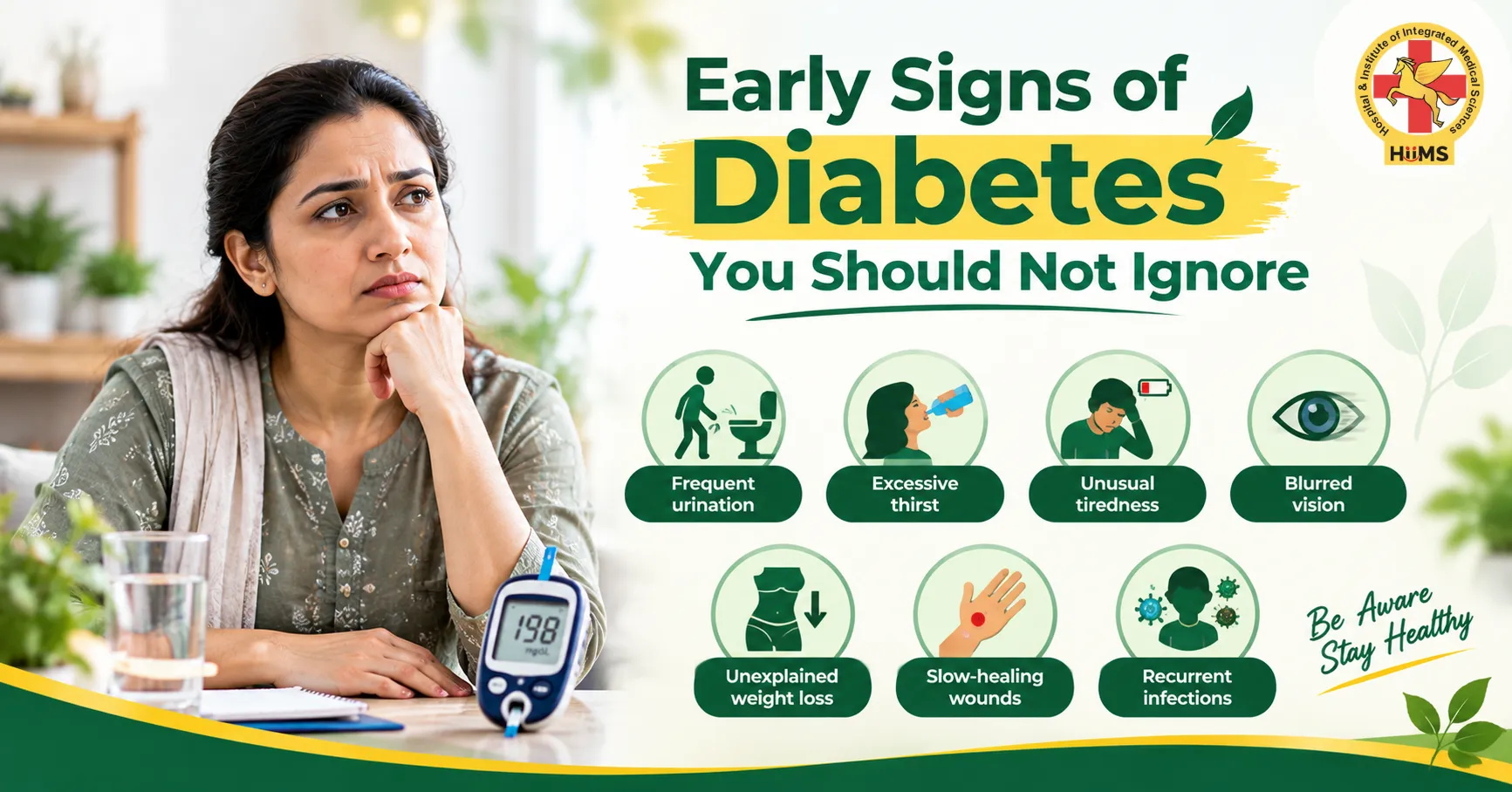
- Frequent urination.
- Excessive thirst.
- Unusual tiredness.
- Blurred vision.
- Unexplained weight loss.
- Slow-healing wounds.
- Recurrent infections.
These symptoms do not automatically mean someone has diabetes. A blood test is needed to assess the possibility.
If you have a family history of diabetes, excess abdominal weight, a history of gestational diabetes, or previously elevated blood sugar, ask your doctor whether screening is appropriate even if you feel well.
Which Tests Can Help Detect Diabetes Early?
A healthcare professional may recommend one or more of the following tests, depending on your symptoms and medical history.
Fasting blood glucose: Measures blood sugar after an overnight fast.
HbA1c: Estimates average blood glucose over approximately two to three months.
Oral glucose tolerance test: Measures how the body responds to a glucose drink.
Random blood glucose: Measures blood sugar at any time and may help diagnose diabetes when typical symptoms are present.
Your doctor will interpret the results and determine whether repeat testing is needed.
Early diagnosis matters because uncontrolled diabetes can damage the eyes, kidneys, nerves, heart, and blood vessels over time.
How Is Diabetes Treated in Conventional Medicine?
People searching for diabetes treatment in Asansol should understand that treatment depends on the type of diabetes, blood glucose levels, other health conditions, and individual treatment goals.
Conventional diabetes care may include several components.
1. Personalised Nutrition and Lifestyle Changes
A structured meal plan and regular physical activity can improve blood sugar management. For people with type 2 diabetes who have excess weight, medically supervised weight management may also be beneficial.
2. Oral Medicines and Injectable Treatments
Depending on the diagnosis, doctors may prescribe medicines that improve insulin sensitivity, reduce glucose production, increase glucose excretion, or act through other mechanisms.
Some people with type 2 diabetes may need injectable medicines or insulin. People with type 1 diabetes require insulin because their bodies produce little or none.
Medication decisions should be made by a qualified clinician, not based on another person’s experience or a general online article.
3. Regular Monitoring and Complication Screening
Diabetes management may include HbA1c testing, blood pressure and cholesterol checks, kidney assessments, eye examinations, and foot checks.
These measures help assess treatment effectiveness and identify complications early.
Can Type 2 Diabetes Be Reversed?
The word reversal is often used online, but the medically preferred term for sustained improvement in type 2 diabetes is remission.
Some people with type 2 diabetes can achieve remission, particularly with substantial and sustained weight loss and an appropriate medical plan. However, this does not happen to everyone, and remission is not guaranteed.
An international expert consensus report published in Diabetes Care in 2021 proposed defining remission as an HbA1c below 6.5% that persists for at least three months without usual glucose-lowering medication.
[Read the consensus report on diabetes remission]
The report also emphasises continued monitoring because high blood sugar can return, and complications may remain possible even after remission.
People with type 1 diabetes should not expect lifestyle changes or Ayurveda to eliminate their need for insulin.
Never stop or reduce prescribed diabetes medicines in an attempt to achieve remission without direct medical supervision. Changes in treatment should be based on glucose measurements and a clinician’s assessment.
Can Ayurveda Help With Diabetes Management?
Ayurveda traditionally places importance on food, daily routines, physical activity, and individualised care. Some people explore Ayurvedic dietary and lifestyle guidance alongside conventional diabetes treatment.
However, traditional use does not by itself establish that a treatment is effective or safe. Current evidence is insufficient to conclude that Ayurvedic medicines can reliably cure diabetes or replace established treatments.
Some herbal products may also interact with diabetes medicines or lower blood glucose unpredictably. Products with undisclosed ingredients or contamination risks may create additional problems.
If you are considering Ayurvedic support:
- Tell your healthcare professionals about every medicine and supplement you use.
- Ask about possible interactions and side effects.
- Continue prescribed treatment unless your treating doctor changes it.
- Monitor your blood glucose as advised.
- Be cautious of promises of a permanent cure or guaranteed freedom from medication.
A safe approach focuses on individual needs, transparent communication, and coordinated care.
What Is the HiiMS Approach to Diabetes Care?
Jeena Sikho HiiMS describes an integrated healthcare approach that includes Ayurveda, dietary guidance, lifestyle practices, and other supportive therapies.
For residents exploring a diabetes clinic in Asansol, the Jeena Sikho HiiMS Asansol clinic is a starting point for learning about the clinic and enquiring about available services.
When discussing your care, you can ask about:
- Dietary guidance: How meals, portions, and daily routines may be tailored to your needs.
- Lifestyle support: How appropriate physical activity and daily habits can fit into your plan.
- Individual assessment: Whether your medical history, current symptoms, reports, and medicines will be reviewed.
- Follow-up: How progress will be assessed and when you should repeat blood tests.
- Treatment coordination: How any proposed Ayurvedic medicines or therapies will be reviewed alongside your existing diabetes treatment.
Why Consider HiiMS for Ayurvedic Support?
People interested in Ayurveda may value a consultation that gives attention to dietary habits, lifestyle, and personal health concerns. HiiMS is an option to explore if you want to enquire about these services in Asansol.
Choosing a clinic should also involve checking practitioner qualifications, the proposed care plan, follow-up arrangements, and whether the team encourages appropriate medical testing and coordination with your treating doctor.
Ayurvedic care should not be presented as a proven diabetes cure. It should not delay diagnosis, replace necessary insulin, or lead to stopping prescribed medicines without medical supervision.
When Should You Consult a Diabetes Doctor in Asansol?
Consider arranging a medical consultation if you notice excessive thirst, frequent urination, unexplained weight loss, unusual fatigue, or other symptoms that concern you.
You should also ask about testing if you have known risk factors or have previously been told that your blood sugar is elevated.
If you already have diabetes, seek a review if your readings remain outside your agreed targets, your symptoms change, or you experience repeated low blood sugar episodes.
Seek urgent medical care if you have vomiting, abdominal pain, deep or rapid breathing, severe dehydration, confusion, or unusual drowsiness alongside high blood sugar. These may indicate a medical emergency.
Conclusion
Asansol’s traditional foods do not need to disappear from the dinner table to support better health. What matters is how often certain foods are eaten, the size of portions, the balance of the overall diet, and whether regular physical activity is part of everyday life.
Choose more vegetables and suitable protein sources, pay attention to carbohydrate portions, limit sugary drinks, stay active, and seek screening when appropriate. If diabetes is diagnosed, follow a personalised treatment plan and attend regular check-ups.
For people interested in diabetes treatment in Asansol or an Ayurvedic clinic for diabetes in Asansol, Jeena Sikho HiiMS can be contacted to enquire about its approach to dietary and lifestyle support. Discuss complementary therapies with your treating doctor before starting them, and never stop prescribed medication on your own.
Prevention and effective diabetes management are not about following a perfect diet every day. They are about making sustainable, informed choices and getting the right care when needed.
Frequently Asked Questions
Q.1 Are Asansol’s eating habits responsible for diabetes?
Ans: No single local food habit can be identified as the cause of diabetes in Asansol. Type 2 diabetes develops through a combination of genetic, metabolic, dietary, and lifestyle factors. Frequent sugary drinks, excessive calorie intake, and low physical activity can contribute to risk, but individual risk varies.
Q.2 What should I eat to help prevent diabetes?
Ans: Choose a balanced diet containing vegetables, pulses, suitable protein sources, whole fruits, and appropriately portioned grains. Limit sugary drinks and frequent consumption of highly processed foods. Your exact meal plan should reflect your health needs and activity level.
Q.3 Should I stop eating rice if I have diabetes?
Ans: Not necessarily. Rice can be included in many diabetes meal plans. Portion size, the type of rice, other foods in the meal, and your individual glucose response all matter. A healthcare professional or dietitian can help determine suitable portions.
Q.4 How can I find diabetes treatment in Asansol?
Ans: Look for qualified healthcare professionals who can assess your blood glucose, review your medical history, explain treatment options, and arrange appropriate follow-up. You can also visit the Jeena Sikho HiiMS Asansol clinic to enquire about its services.
Q.5 Can Ayurveda cure diabetes permanently?
Ans: There is not enough reliable clinical evidence to establish Ayurveda as a permanent cure for diabetes. Ayurvedic dietary and lifestyle guidance may be considered as complementary support, but it should not replace prescribed medicines, insulin, or recommended medical monitoring.
Q.6 Can type 2 diabetes go into remission?
Ans: Some people with type 2 diabetes can achieve remission, often following substantial and sustained weight loss under an appropriate medical plan. Remission is not guaranteed and requires ongoing monitoring. Do not change your medication without medical advice.
Q.7 What is the difference between diabetes prevention and diabetes remission?
Ans: Prevention aims to reduce the risk of developing type 2 diabetes, particularly in people with risk factors or prediabetes. Remission refers to blood glucose returning below the diabetes threshold for a sustained period without usual glucose-lowering medication, according to accepted clinical criteria. They are different outcomes.
Q.8 Which tests should I take if I suspect diabetes?
Ans: A doctor may recommend fasting blood glucose, HbA1c, an oral glucose tolerance test, or a random blood glucose test. The appropriate test depends on your symptoms and clinical circumstances.
Q.9 Is walking helpful for diabetes management?
Ans: Regular physical activity, including walking, can improve insulin sensitivity and support cardiovascular health. The appropriate activity level depends on your fitness and medical condition. People with foot problems, heart disease, or other significant conditions should seek personalised guidance.
Q.10 Can I stop diabetes medicine if my blood sugar becomes normal?
Ans: No. Normal readings may reflect the effect of your current treatment. Stopping medicines without supervision can cause blood sugar to rise again or lead to other complications. Any changes should be made with your treating doctor.
References and Further Reading
- World Health Organization (WHO) — Diabetes: Fact Sheet. Overview of diabetes, risk factors, prevention, and treatment.
- Anjana et al., ICMR-INDIAB Study, 2023 — Metabolic non-communicable disease health report of India. National estimates of diabetes and prediabetes in India.
- American Diabetes Association, 2021 — Consensus Report: Definition and Interpretation of Remission in Type 2 Diabetes. Clinical criteria and follow-up considerations for remission.
- World Health Organization — Healthy Diet. Guidance on balanced dietary patterns and limiting free sugars and unhealthy fats.
- Jeena Sikho HiiMS — Asansol Clinic. Information about the clinic and available services.