

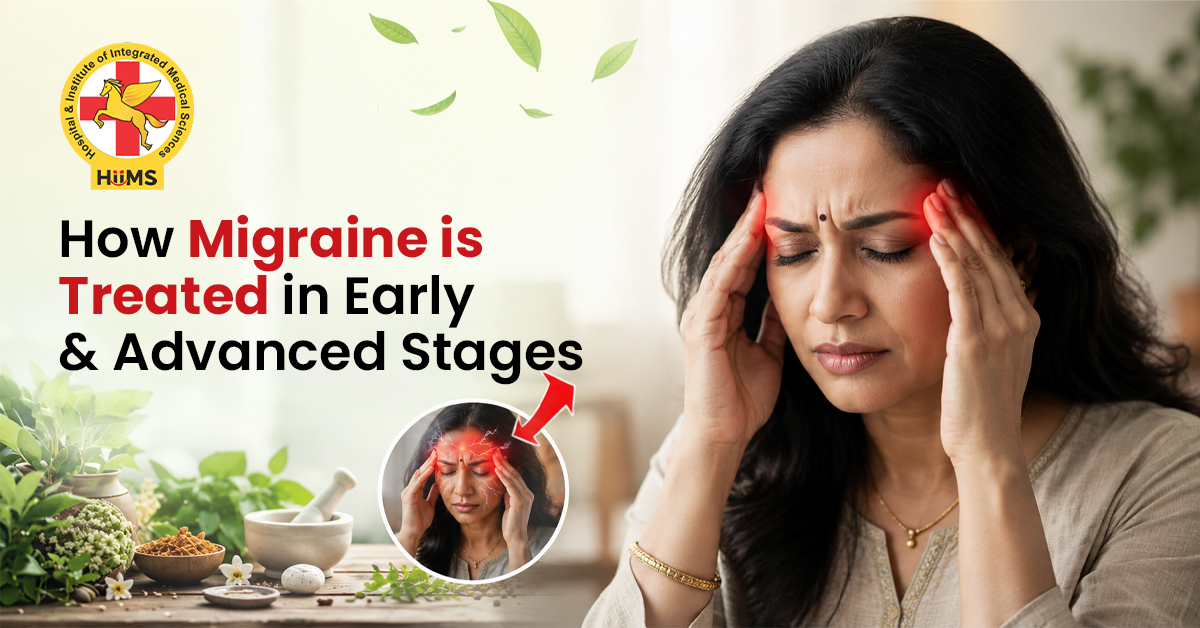
Migraines are strange in a way. Sometimes it starts as a simple headache and you ignore it, thinking it will pass. But then the pain builds up, light starts bothering you, sounds feel louder than usual, and suddenly even resting does not feel enough.
Many people go through these stages without realising that these are actually migraine symptoms, not just regular headaches. This on stage may occur occasionally and at this stage it may be manageable. But over time, if not understood properly, it can become frequent and harder to deal with.
This phase is where the right migraine treatment matters. The purpose of this blog is to help you understand how migraines are managed in early and advanced stages and what options people usually consider for better migraine relief.
Understanding Migraine Headache Symptoms
Before talking about treatment, it helps to notice the signs properly. Some common migraine headache symptoms include:
- Throbbing pain (usually one side of the head).
- Sensitivity to light and sound.
- Nausea or vomiting.
- Blurred vision or aura.
- Feeling tired or low before or after a headache.
Not everyone gets all symptoms. That’s why migraines are often misunderstood or ignored in the beginning.
Migraine Treatment in Early Stages
In early stages, migraines are usually less frequent and somewhat predictable.
1. Basic Migraine Medicine
Doctors may suggest simple migraine medicine to control pain when attacks happen. At this stage, it’s mostly about managing symptoms.
2. Lifestyle Correction
This part sounds simple but matters more than people think:
- Regular sleep timing.
- Eating on time.
- Avoiding long screen exposure.
- Staying hydrated.
Many people actually see migraine relief just by fixing their routine.
3. Home Remedies for Migraines
Some commonly followed home remedies for migraines:
- Resting in a dark, quiet room.
- Applying a cold compress on the forehead.
- Drinking warm fluids or herbal drinks.
- Avoiding trigger foods (like caffeine overload or processed food).
Migraine Treatment in Advanced Stages
Now this is where things change. When migraines become frequent, stronger, or unpredictable, basic care alone usually isn’t enough.
1. Regular Medical Guidance
A migraine doctor should now be seen. The solutions to the problem may be to follow-up without the use of the medication rather than an as needed approach.
2. Migraine Therapy
Different forms of migraine therapy may be considered:
- Stress management techniques.
- Breathing techniques.
- Various relaxation therapies.
Since stress is another factor that can trigger the worsening of migraines.
3. Panchkarma Approach
In Ayurveda migraine can be associated with the disorder of doshas (most of the time Vata and Pitta). Panchakarma is the detoxification treatment, purging you of accumulated toxins and helping internal balance.
The treatment package could also include natural relaxant and sedative therapies aimed at muscle relaxation, calming down the nervous system and encouraging increased circulation. This approach is usually considered when migraines become chronic and repetitive.
Why Early Treatment Matters
Ignoring migraines in the beginning is where most people go wrong. Simply having a headache once in a while over time can turn into headaches coming more often, getting worse, and being less controlled. Early migraine treatment doesn’t just reduce pain; it helps prevent long-term patterns.
Migraine Care at Jeena Sikho HiiMS Through Ayurveda
Migraine is not always just about the pain. In many cases, it is linked with stress, routine, and internal imbalance. At HiiMS, the approach usually stays simple and step by step, not rushed.
Shirodhara
A gentle stream of warm oil is poured over the forehead. People often describe it as calming, especially when stress is a trigger.
Nasya
Medicated oil or drops are given through the nose under proper guidance. It is commonly explored for repeated head-related discomfort.
Shiro Pichu
A small cotton pad soaked in oil is placed on the head. It may look basic, but many people prefer it for that cooling and relaxed feeling.
Raktamokshana
In some long-term cases, detox methods like leech therapy are considered under supervision to support internal balance.
Panchkarma
A deeper cleansing process. At HiiMS, it is usually planned based on body condition, not done randomly.
Herbal Support
Herbs such as ashwagandha, brahmi, shankhpushpi and ginger are also used frequently to facilitate feeling relaxed and achieve mental harmony.
Not everything works the same for everyone. That is why a guided and personalised approach matters more than trying too many things together.
When Should You See a Doctor?
Don’t wait too long if you notice the following:
- Headaches becoming frequent.
- Pain getting worse over time.
- Medicines are not working like before.
- Symptoms like nausea or vision issues increasing.
At that point, proper guidance from a migraine doctor is important.
Conclusion
Migraine is something that often starts small but can slowly take over daily life if ignored. Whether it’s early stage discomfort or advanced recurring pain, the approach to migraine headache treatment needs to be timely and practical. With the right mix of care, routine, and guidance, managing it becomes a lot more possible than it feels in the beginning.
For those looking for a more guided approach, Jeena Sikho HiiMS offers VOPD consultation. Contact: +91 82704 82704 | care@jeenasikho.com Early consultation can help you understand triggers better and choose a suitable path forward.

FAQs
1. What are some of the typical symptoms of a migraine?
Typical migraine symptoms are headache on one side, sensitivity to light and sound, nausea, and occasionally it can cause blurring of vision.
2. How do you know if it is a normal headache or migraine?
A migraine is often more severe and intense and may last longer; it may be accompanied by nausea and sensitivity to light and sound.
3. What are the most effective migraine treatments?
Treatment for migraine can involve medications, lifestyle changes, stress management or therapy, depending on the stage and severity.
4. Are home remedies effective for migraines?
Resting in a quiet room and a cold pack along with sufficient hydration might relieve the pain associated with mild migraine episodes.
5. What are the times when I should visit my migraine specialist?
If the symptoms occur with increased frequency, severity or impact upon lifestyle, it would be best to discuss matters further with a migraine specialist.