
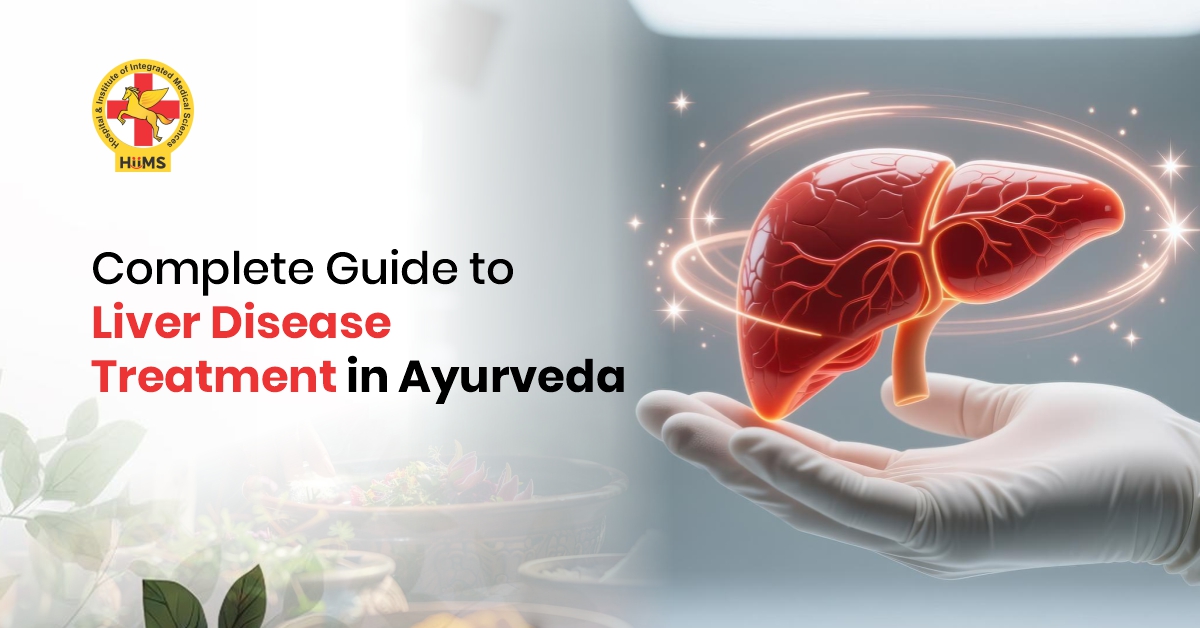
Most people notice the liver only after the body starts sending small warning signs that are easy to ignore at first, such as low energy, dull digestion, a heavy feeling after meals, or a stretch of tiredness that does not match the day’s work. The liver handles a lot inside the body, so the damage does not always show up in a major form.
It often begins with ordinary habits, like late meals, oily food, skipped routines, stress, and very little movement. That is why liver disease treatment in Ayurveda feels relevant for many people today, because it looks at daily balance instead of waiting for a bigger problem.
This blog explains the liver in simple language, the Ayurvedic approach to liver problems, the care process, herbs, food habits, and the practical steps that make recovery feel more manageable.
What Is Liver Disease? A Simple Understanding
Liver disease means the liver is not doing its job as it should. Sometimes the issue starts with fat building up in the liver, which many people know as fatty liver.
In other cases, infection or long-term irritation leads to hepatitis, and if the problem keeps growing for years, it may turn into cirrhosis, where the liver gets scarred and weak. Often, they begin with small changes in appetite, digestion, or stamina, and that is why many people miss the early phase.
A careful natural treatment for liver disease becomes more useful when the signs are caught early, because the body still has room to respond well.
How Ayurveda Understands Liver Disease
Ayurveda sees the liver as closely linked with Pitta dosha, which handles heat, metabolism, and digestion in the body. When Pitta goes out of balance, it starts putting strain on the liver. At the same time, poor digestion leads to Ama, a kind of sticky waste that forms when food does not break down the way it should. As this keeps building up, it begins to affect the body’s channels and makes the whole system feel slow and dull.
That is why Ayurvedic liver treatment does not stay at the symptom level. It focuses on calming excess heat, improving digestion, and clearing the internal load in a slow and steady way.
Liver Disease Treatment in Ayurveda: The Core Approach
The core concept of liver disease treatment in Ayurveda is not speed, it is the pattern or order.
- First, the body needs cleansing, so the extra burden starts reducing.
- Then digestion has to become stronger, because weak digestion keeps creating the same problem again and again.
- After that, the focus shifts to rebuilding strength so the liver can work with better balance.
This three-step flow makes the whole process feel less confusing and more practical. A proper Ayurvedic treatment for liver disease takes all three parts seriously, because treating only one part hardly ever gives stable results.
Ayurvedic Treatment for Liver Detox (Step-by-Step Care)
Preparation Stage (Body Readiness)
Before any deeper care starts, the body is prepared with light support, simple meals, and herbs that help digestion settle. This stage may sound or seem small, but it is important because the body should not feel forced.
Detox Stage (Removing Build-Up)
This is where Ayurvedic treatment for liver detox comes in with carefully planned cleansing methods. In Ayurveda, detox is not treated like a fashion statement. It is done with supervision, at the right pace, and with attention to the person’s condition.
Recovery Stage (Strength & Balance)
Once the system clears some of the load, the next step is rebuilding. Herbs, routine, rest, lifestyle and gentle movement all become part of this stage so the body does not slide back into the same pattern again.
Ayurvedic Medicine for Liver Disease: Herbs That Are Commonly Used
A few herbs come up often in Ayurvedic medicine for liver disease because traditional practice has used them for a long time. Such as:
- Bhumi Amla is known for its role in liver care.
- Kutki is commonly chosen when digestion and bile flow need support.
- Punarnava is often used when the body feels heavy or when water retention becomes a concern.
- Giloy is valued for general balance and internal strength.
- Turmeric is often included in simple daily support.
Diet and Daily Habits That Help the Liver Recover
Food habits can either ease the liver’s load or keep adding to it, and that is why this part is also very important. Light meals that are easy to digest usually work better than heavy or oily meals. Bitter foods like karela, methi, and leafy vegetables often fit well in this kind of care. Warm water throughout the day helps digestion feel less stuck, and proper meal timing keeps the body from getting confused.
A little walking after meals, gentle yoga, and steady breathing exercises also support the system in a very real way. These habits may look simple, but together they shape a strong natural treatment for liver disease and make everyday care feel realistic instead of strict.
How Jeena Sikho HiiMS Supports Liver Care Naturally
At Jeena Sikho HiiMS, liver care is usually structured around the person, not around a fixed formula. The plan may combine Ayurveda, diet guidance, routine changes, and a calm treatment environment so the patient does not feel stressed out. This is important because liver issues often need patience more than physical stress.
A thoughtful ayurvedic treatment for liver disease works better when it matches the person’s appetite, strength, routine, and stage of illness. That kind of care feels grounded, practical, and easier to continue.
Why a Gradual, Natural Approach Works Better for Liver Health
The liver very rarely improves through harsh interventions. It responds better when stress goes down, meals become cleaner, sleep gets regular, and the body gets time to recover. Quick fixes may look or sound attractive, but they often skip the deeper problem.
A gradual approach gives the liver a chance to settle, repair, and function with less strain. That is where liver disease treatment in Ayurveda stands out, because it respects the pace of the body. When care is steady, small changes add up, and that usually brings more lasting balance than any quick-fix method.
Conclusion
The liver does a great deal of work without asking for attention, so small signs should never be ignored. Better food habits, steady routines, and thoughtful care can make a real difference before the problem grows larger.
This is why liver disease treatment in Ayurveda continues to matter for people looking for a natural and practical path. It focuses on cleansing, digestion, and strength in a way that the body can follow.
If you are dealing with liver concerns, you can also opt for an online video consultation with expert doctors at Jeena Sikho HiiMS and get guidance that suits your condition more closely.

FAQs
Q1: What are the first signs of liver trouble?
Low energy, poor appetite, heaviness after meals, and yellowish eyes often appear early and should not be ignored.
Q2: How does Ayurveda look at fatty liver?
Ayurveda usually connects fatty liver with weak digestion, Pitta imbalance, and internal buildup that needs gradual correction.
Q3: Which daily habits help the liver most?
Regular meals, warm water, light exercise, proper sleep, and less oily food usually help the liver feel less strained.
Q4: How long does liver care usually take in Ayurveda?
The timeline depends on the stage of the problem, but steady follow-up and routine changes matter more than speed.
Q5: What kind of support is useful along with herbs?
Simple food planning, breathing exercises, walking, and a calm daily routine often support the healing process well.