
The prostate in men is a small gland about the size of a walnut, situated just below the bladder. It’s important to male reproductive health, but this gland can be subject to serious health threats as men age. One of the biggest risks is the development of cancer cells in the gland.
The growth of this condition is quite gradual, which is why, at first, most men don’t see any changes in their bodies. They might wave off small bathroom issues as just a part of getting old. Failure to recognise these subtle changes can turn a manageable health condition into a serious threat.
The best way to protect your long-term health is to pay attention to your body and note any physical changes. In this blog, we will talk about the major prostate cancer symptoms, how to identify them early and how choosing natural lifestyle care can help you stay healthy.
What Is Prostate Cancer?
Prostate cancer happens when cells present in the prostate gland grow uncontrollably. These abnormal cells grow quickly and may eventually form a lump or tumour. It is one of the most common types of cancer found in men worldwide.

In most cases, this condition grows at a very slow pace and stays confined to the gland for a long time without causing major harm. However, some types are aggressive and can spread to other parts of the body if left untreated. Understanding how to track prostate cancer symptoms allows men to take action before the condition advances.
Early Signs of Prostate Cancer
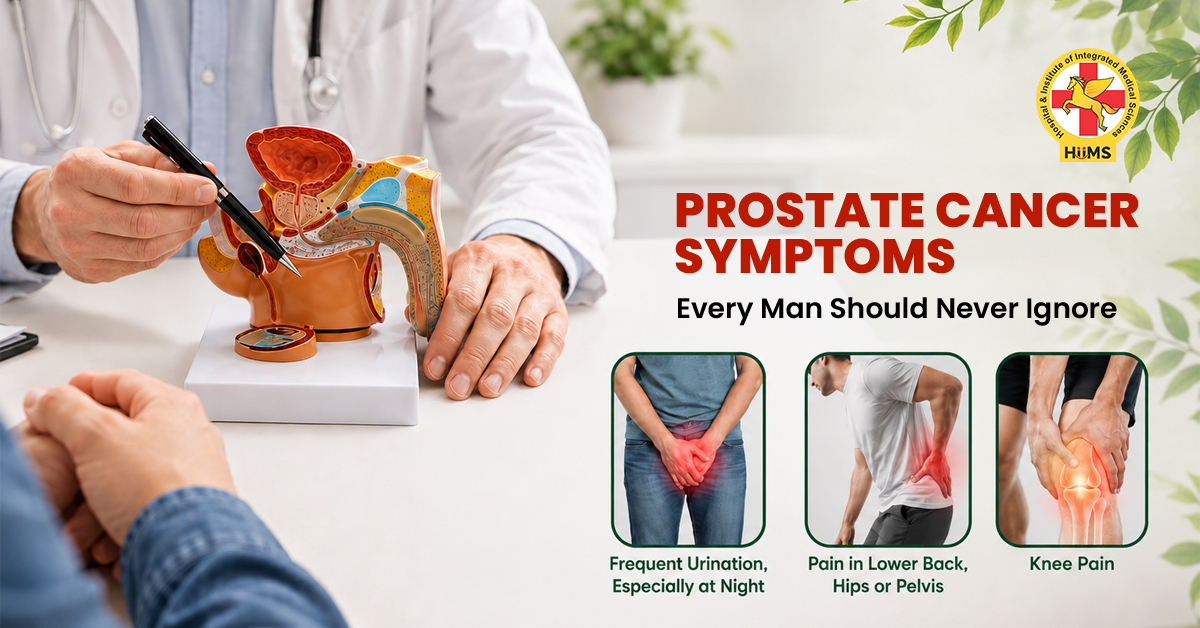
In the beginning stages, a tumour is often too small to cause any noticeable pain. However, as abnormal cells slowly multiply, the early signs of prostate cancer appear during daily routines. A man might notice a sudden need to rush to the bathroom, especially at night. The urine stream may feel weak, or it might take extra straining just to start the flow.
Advanced Prostate Cancer Symptoms
If the abnormal cell growth continues without any intervention, the tumour grows large enough to put heavy pressure on the surrounding organs and nerves. This pressure triggers more severe and noticeable symptoms of prostate cancer.
When the condition becomes this severe, men usually have:
- A constant urge to urinate: The feeling that the bladder is never really emptied, even immediately after urinating.
- Painful Sensation: A burning sensation or extreme pain when urinating or engaging in sexual activity.
- Blood in Body Fluids: Any trace of pink or red blood in the urine or semen is a warning sign that should be seen by a doctor immediately.
- Deep Body Aches: Unexplained, persistent pain in the lower back, hips, thighs or pelvic bones that does not go away with rest.
- Fast Weight Loss: Rapid weight loss without changing your diet or workout routine with constant physical exhaustion.
Main Causes and Risk Factors
Scientists and doctors have not identified the exact reason why prostate cells mutate but have identified a few key factors that can increase a man’s risk:
- Ageing: The risk is significantly increased after a man is over 50 years of age. It is most commonly found in older individuals.
- Family History: If your father, brother or grandfather had prostate issues, your natural chances of developing it are much higher.
- Poor Nutrition: Eating a diet high in processed meats, heavy animal fats and chemical preservatives puts continuous metabolic stress on the body.
- Chronic Inflammation: Infections or swelling in the prostate gland that don’t resolve can damage cellular structures over time.
How to Identify Prostate Cancer Safely
Knowing how to identify prostate cancer is about routine health screenings. Health experts say that men over 50 talk to a professional about testing.
The two most common screening methods are:
The PSA Blood Test: This test measures how much prostate-specific antigen is in your blood. A high level may indicate inflammation, enlargement or cancer cells.
Digital Rectal Exam (DRE): A quick physical exam in which a doctor checks the size, shape and hardness of the gland to find any unusual lumps.
By catching these physical changes during routine checkups, the recovery becomes much easier and more successful.
A Natural and Holistic Approach to Recovery
When it comes to managing prostate wellness, a growing number of men are looking for natural ways to support their bodies. Standard treatments like surgery, radiation, or heavy chemical drugs often come with difficult side effects, including permanent fatigue, digestive issues, and performance challenges.
The holistic approach is designed to change the internal environment of the body. You create the right conditions for your cells to heal by clearing out accumulated toxins, decreasing chronic inflammation, and reducing daily stress. Switching to a clean, plant-based diet, rich in antioxidant fruits and vegetables, naturally protects your blood vessels and strengthens your immune system.
Healing with Jeena Sikho HiiMS Udaipur
Jeena Sikho HiiMS Udaipur is a very supportive environment for you if you are looking for a complete non-chemical way to health. HiiMS does not just treat an isolated sickness but treats the whole person.
Here, wellness experts use traditional lifestyle correction, personalised nutrition and natural therapies to help the body re-establish its natural balance. Patients learn how to reset their metabolism to treat their prostate cancer symptoms under the guidance of experienced professionals. The care here helps to reduce internal inflammation, increase natural stamina, and purify the blood without the use of harsh synthetic chemicals in the system.
Key Pillars of Holistic Care at Jeena Sikho HiiMS Udaipur
The natural recovery plans at Jeena Sikho HiiMS Udaipur rely on simple, time-tested practices to rebuild male health:
- Panchakarma (Detoxification Therapy): Gentle traditional Panchakarma therapies are used to clear deep-seated metabolic waste from the digestive tract and organs.

- Alkaline Plant Nutrition: Shifting to a raw, living diet packed with fresh seasonal fruits and vegetables helps lower internal inflammation and balances body pH.
- Herbal Support: Using pure, plant-based extracts that are traditionally known to soothe the urinary tract and support prostate health.
- Mind-Body Relaxation: Some breathing exercises (pranayama) and basic yoga poses help to calm the nervous system and reduce the stress hormones that drive illness.
Conclusion
Prostate cancer symptoms should never be hidden out of embarrassment or ignored as a simple sign of old age. Your body has an incredible capacity to recover when you stop putting it under lifestyle stress and give it real, natural nourishment.
If you want expert guidance but prefer to get advice from the comfort of your home, Jeena Sikho HiiMS’s VOPD (video consultation) service is a perfect choice. It is a safe, private digital space to speak directly to experienced wellness professionals. This enables you to talk about your symptoms openly, have your questions answered clearly and get a personalised lifestyle and health plan that fits your life without having to travel.