


You ate lunch, and within an hour there’s a burning feeling right below your chest. Some days it’s heavier instead, like your stomach just doesn’t want to move on from the meal. Most people call it “acidity” and forget about it by evening.
But when this keeps happening again and again, it’s usually not simple acidity anymore. It could be gastritis, a condition far more common than people realise, and one that hardly ever gets serious attention until it’s already causing trouble.
Ignoring a stomach that keeps expressing its discomfort is never a smart move. So let’s actually understand what gastritis is, why it happens, and what can be done about it.
What Is Gastritis?
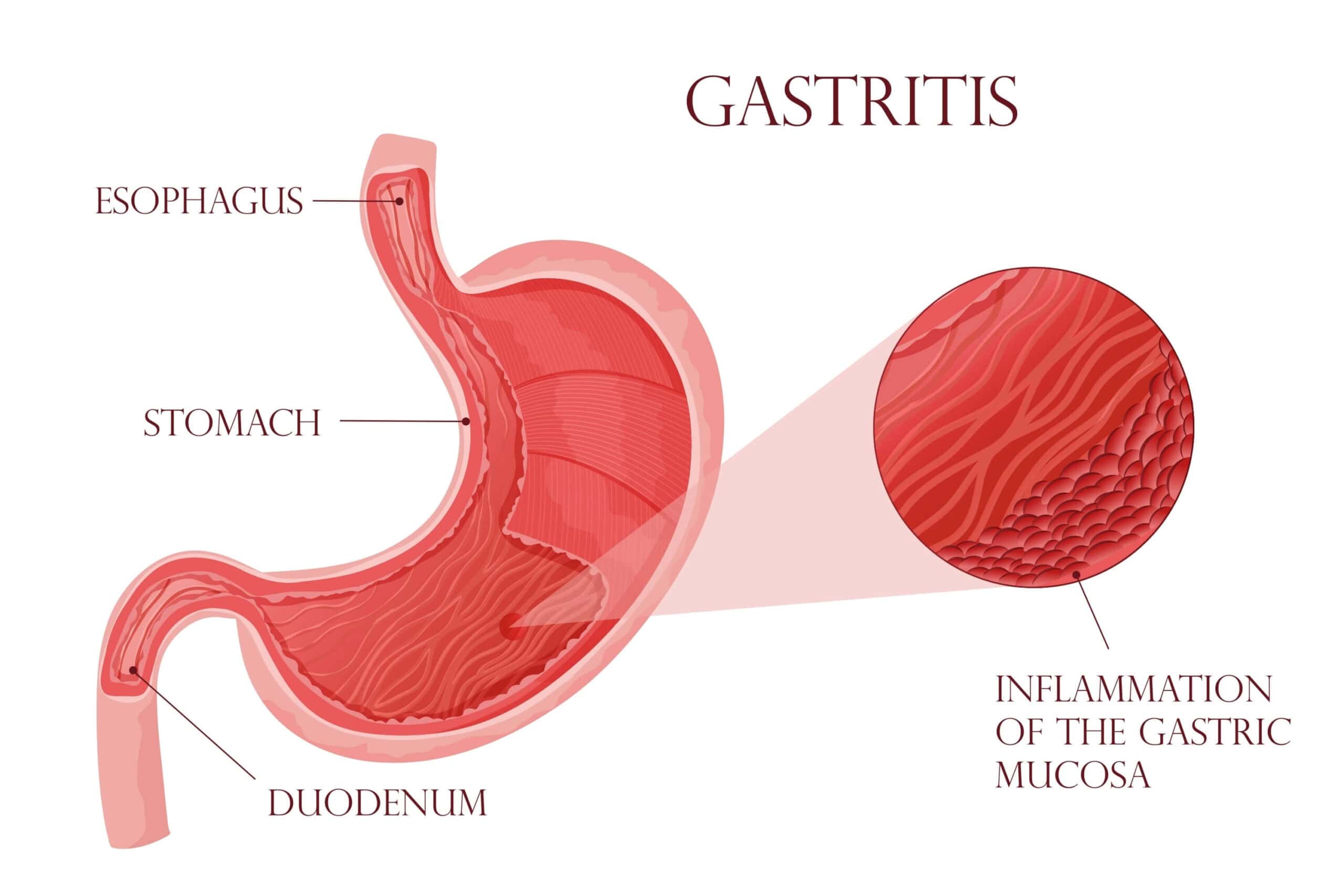
The acid in your stomach helps digest food, but it needs a healthy lining to keep it from irritating the stomach itself. When that lining becomes inflamed, gastritis is the result. When this inner layer gets irritated, that protection weakens, and eating starts to feel uncomfortable.
For some people, it’s a short problem that goes away in a few days. For others, it keeps returning for months, sometimes without any clear reason each time.
In Ayurveda, this is often linked to a disturbed digestive fire and excess Pitta, which basically means too much internal heat disturbing normal digestion.
Common Gastritis Symptoms You Should Not Ignore
Here are the gastritis symptoms people usually notice, though not everyone experiences all of them.
-
Early Signs That Often Go Unnoticed
A mild burning near the upper stomach. Occasional bloating. A heavy feeling after eating even a small meal. Slow digestion that makes you feel full for hours. These are usually dismissed off as “normal” acidity, and that’s exactly why they’re missed early on.
-
Symptoms That May Need Medical Attention
Things get more serious when there’s nausea, vomiting, a sudden reduction in appetite, or a full feeling after just a few bites of food. Stomach pain that keeps coming back also falls in this category. If any of these gastritis symptoms show up often, it’s worth getting checked instead of waiting it out.
What Are the Common Causes of Gastritis?
Knowing the actual causes of gastritis is important, because the right treatment depends on what’s really disturbing the stomach lining.
-
Food and Lifestyle Habits
Eating at irregular hours, too much spicy or oily food, packaged snacks replacing real meals, one too many cups of tea or coffee, and late-night dinners, all of these slowly wear down the stomach’s inner layer.
-
Other Factors That Can Affect the Stomach
Stress plays a bigger role in this. So does frequent use of certain painkillers. A bacterial infection called H. pylori is another common trigger, and so is regular smoking or drinking. An irregular digestive routine, where meal timings keep changing, adds to the damage too.
Since the causes of gastritis differ from person to person, figuring out which one applies to you is more useful than just assuming.
Gastritis Treatment Through an Ayurvedic Approach
Good gastritis treatment isn’t only about stopping the burning sensation of gastritis for a day. It’s about addressing what’s causing it in the first place.
-
Improving Digestion Naturally
It often begins with choosing foods that your stomach can handle comfortably. Simple meals, eaten on time instead of whenever you get the chance, become an important part of the process.
-
Panchakarma and Detox Therapies
Panchakarma refers to a set of traditional detox methods used to clear out toxins built up in the digestive system. Depending on how a person’s body reacts, certain therapies from this gastritis treatment list may be suggested as part of the healing process.
-
Ayurvedic Herbs Used for Digestive Balance
Herbs such as Amla, Mulethi, and Shatavari have traditionally been used to calm the stomach lining and support better digestion, along with a few other soothing herbs chosen based on individual need.
When diet, daily habits, and Ayurvedic care work side by side, the stomach is more likely to recover in a steadier, more lasting way, which is really what good gastritis prevention looks like too.
Why Choose Jeena Sikho HiiMS Udaipur for Holistic Digestive Care?
At Jeena Sikho HiiMS Udaipur, care begins with understanding each person’s digestive health in detail. After identifying the possible cause, doctors may recommend Panchakarma, along with practical changes in food habits and daily routine based on individual needs.
What sets Jeena Sikho HiiMS Udaipur apart is how Ayurveda here is combined with naturopathy and yoga, so the healing plan is built around the individual rather than following one standardised method for everyone.
Conclusion
Gastritis may feel minor at first, but it not always stays that way if ignored for long. Noticing your symptoms early, understanding what triggers them, and correcting daily habits can protect your digestive health for years. Small, steady changes usually work better than quick fixes that only hide the problem for a while.
If your stomach keeps troubling you, waiting for it to settle every time may not be the right choice. An Ayurvedic consultation can help you understand what needs attention.

FAQs
Q1. What is gastritis?
Ans. It means the stomach’s inner lining has become swollen or irritated. This can settle in a few days, or it can keep returning over a longer stretch of time.
Q2. What are the most common gastritis symptoms?
Ans. The signs people catch most often are burning in the upper stomach, bloating, indigestion, nausea, and a reduced appetite.
Q3. What are the common causes of gastritis?
Ans. Irregular meals, spicy or processed food, stress, certain painkillers, and infections are usually behind it.
Q4. Can Ayurveda help in gastritis treatment?
Ans. Ayurveda works on improving digestion through diet, herbs, and detox therapies chosen according to the person’s condition.
Q5. How can gastritis be prevented naturally?
Ans. Eating meals on time, cutting down spice and caffeine, managing stress, and keeping a steady routine all help prevent it.