

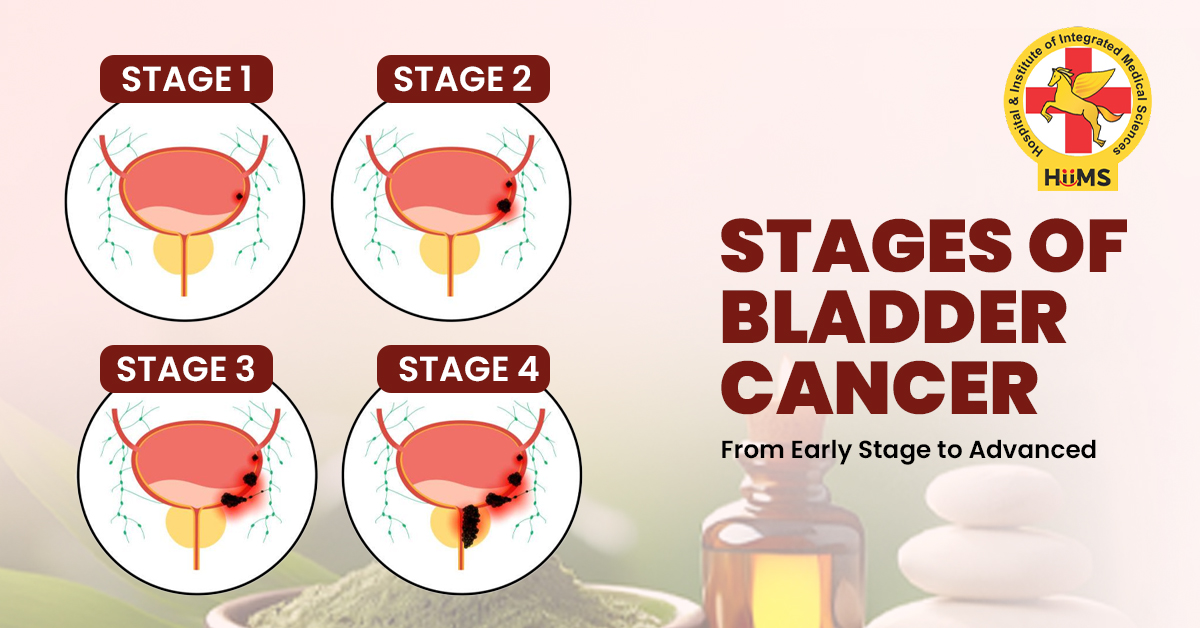
Anyone who hears the word cancer becomes worried. For patients with bladder cancer, confusion often prevails after hearing this word. It is crucial for patients to know more about the categorization of this particular type of cancer. The knowledge about the bladder cancer stages will give the patient and his doctor an idea about the progress of this condition.
The development process of bladder cancer is unique for each patient. In many patients, the cancer remains confined to the inner lining for a very long time.. In others, it may spread deeper or move to nearby areas. That is why bladder cancer staging becomes a key step in planning the next move.
In this blog, we will break things down in a simple and practical way. No complicated medical terms. Just clear understanding of early and advanced stages, what they mean, and how different approaches, including supportive care, are looked at.
What Does Bladder Cancer Staging Mean?
Before getting into stages, let’s understand the idea behind it. Bladder cancer staging is a way to describe how deep the cancer has grown and whether it has spread. Doctors often use something called the TNM (Tumour, Node, and Metastasis) system. TNM staging bladder cancer means
- T shows how deep the tumor has gone into the bladder wall.
- N tells if nearby lymph nodes are involved.
- M shows if the cancer has spread to other parts of the body.
This system helps doctors decide the direction of care.
Early Stages of Bladder Cancer
In the early phase, cancer is usually limited to the inner lining of the bladder. This is where early detection really matters.
1. Stage 0
This is the very beginning. Cancer cells are present but only on the surface lining. They have not grown deeper yet.
2. Stage 1
At this stage, cancer has started growing into the connective tissue below the lining but has not reached the muscle layer. This is where stage 1 bladder cancer treatment becomes important. With the right approach, many people manage this stage well because the cancer is still limited.
When Cancer Starts Going Deeper?
As the disease progresses, it starts affecting deeper layers of the bladder.
3. Stage 2
Cancer reaches the muscle layer of the bladder wall. At this point, it becomes more serious and needs closer attention.
4. Stage 3
It is characterized by the growth of cancer cells that have spread outside the bladder and may penetrate adjacent organs such as fatty tissues near the bladder.
Advanced Bladder Cancer
This is the stage whereby the disease has progressed further.
5. Stage 4
In this stage, cancer may spread to distant organs like lungs, liver, or bones. Understanding the difference between early vs advanced bladder cancer is important. Early stages are more limited and easier to manage. Advanced stages need more intensive and combined approaches.
This stage involves the spreading of the cancerous cells to distant organs such as the lungs, liver, and bones. It is important to note the distinction between early vs advanced bladder cancer.
Signs That Should Not Be Ignored
Bladder cancer may not always show strong symptoms in the beginning. There are some symptoms which may work as an early warning signal for kidney diseases:
- Blood in urine.
- Persistent desire to pass urine.
- Pain while passing urine.
- Back pain.
These symptoms need medical attention if not cured on their own.
Why Early Detection Matters?
Catching the disease early makes a big difference. In early bladder cancer stages, the condition is still limited. This gives more options and better chances of control. As it moves to advanced stages, the condition becomes more complex and requires stronger intervention.
Supportive Care Along with Treatment
Apart from medical care, many people also focus on simple ways to keep their body steady during this time. At places like Jeena Sikho HiiMS, supportive methods are added with proper guidance. They include
- Simple Sattvic Diet
Fresh fruits, vegetables, whole grains, nuts, and natural herbs like tulsi and turmeric Avoid processed food, excess sugar, and artificial items. - Panchakarma Detox
Guided cleansing with massage, steam, and basic detox steps to reduce internal buildup.
- Herbal Support
Common herbs like turmeric, ashwagandha, giloy, neem, and amla for overall strength.
- Golden Therapy
Herbal paste applied through feet as a detox practice.
- Natural Detox Juice
Fresh green juice taken in the morning on an empty stomach.
- Guided Fasting
Light fasting under supervision to give the digestive system some rest.
Conclusion
Understanding bladder cancer stages helps remove a lot of fear and confusion. Now that you have the facts about your situation, it will be much easier to move forward. Every stage from early to late will require your full attention and appropriate strategy.
If you observe any unusual symptoms, then do not ignore them. Immediate intervention may play an important role. In addition to medical treatment, taking care of yourself as a whole will also help in your process.
If you wish to seek professional advice or discuss supportive care treatments, you can contact a VOPD Consultation. If you wish to learn more about them, get in touch at care@jeenasikho.com.

FAQs
Q1. What are the main stages of bladder cancer?
Ans. The stages of bladder cancer may vary between 0 and 4 depending on the depth and spread of the cancer cells.
Q2. On what basis is the staging of bladder cancer determined?
Ans. T-N-M is a system where the tumor size, lymph node involvement, and metastasis are considered.
Q3. What stage of bladder cancer can be classified as early?
Ans. Early bladder cancer is represented by stages 0 and 1.
Q4. How do advanced stages of bladder cancer manifest themselves?
Ans. In advanced stages of the disease, cancer cells spread to adjacent or distant organs from the bladder.
Q5. Is there any way to ease the patient’s life in the course of therapy?
Ans. Such simple practices as healthy nutrition, stress management, and good sleep can help the patient.