
Early detection of cancer can truly save lives. When cancer is found in its early stages, treatment usually becomes easier, more effective, and less stressful for the patient. Recovery chances are higher, and long-term health outcomes are often much better.
Many common health problems can cause symptoms that look serious, so having one sign does not automatically mean cancer. However, your body knows when something is not normal. If you notice any new change, unusual feeling, or symptom that stays for more than 2 to 3 weeks, it should never be ignored. Waiting too long can allow problems to grow silently.
The purpose of this blog is to create awareness about the early warning signs of cancer and encourage people to take their health seriously. Many individuals ignore small cancer symptoms because of work pressure, family responsibilities, or lack of time. This blog aims to remind readers that their health should always come first. Most importantly, it motivates readers to listen to their bodies, respect warning signals, and make informed decisions about their well-being. Taking small steps today can protect your health and future tomorrow.
Causes of Cancer: Why Does Cancer Happen?
Cancer begins when normal cells in the body lose control and start growing in an abnormal and uncontrolled manner. This usually happens when the genes that control cell growth get damaged over time. According to health experts and institutions like Jeena Sikho HiiMS, cancer is not caused by just one reason. It develops due to a mix of lifestyle habits, environment, and genetic factors.
Here are the main causes in simple words:
- Tobacco is a major cause of cancer and slowly harms body cells while weakening the immune system.
- Eating too much junk, fried, and packaged food makes the body tired and upsets digestion over time.
- Drinking alcohol regularly puts extra pressure on the liver and other organs and increases cancer risk.
- Not staying active leads to weight gain and reduces physical strength.
- When body weight increases too much, it affects hormones and creates health problems inside the body.
- Along with this, pollution and harmful chemicals in the air and environment harm healthy cells slowly.
- Too much sun exposure without proper protection can also damage the skin and increase the risk of skin cancer.
- Some infections stay in the body for years and slowly cause damage.
- If cancer runs in your family, you need to be more careful.
- Low immunity makes it harder for the body to fight abnormal cells.
Most cancers develop slowly over time. Taking care of your lifestyle today can greatly reduce your risk in the future.
Early Symptoms You Should Not Ignore
Cancer often grows quietly inside the body and does not show clear symptoms in the early stages. In early stages, most people do not feel serious pain or major discomfort. Instead, the body gives small signals that are often ignored because of busy schedules, daily stress, or lack of health awareness. Over time, these small signs can become serious if not taken seriously. These early cancer symptoms may look normal at first, but they can be warnings from your body.
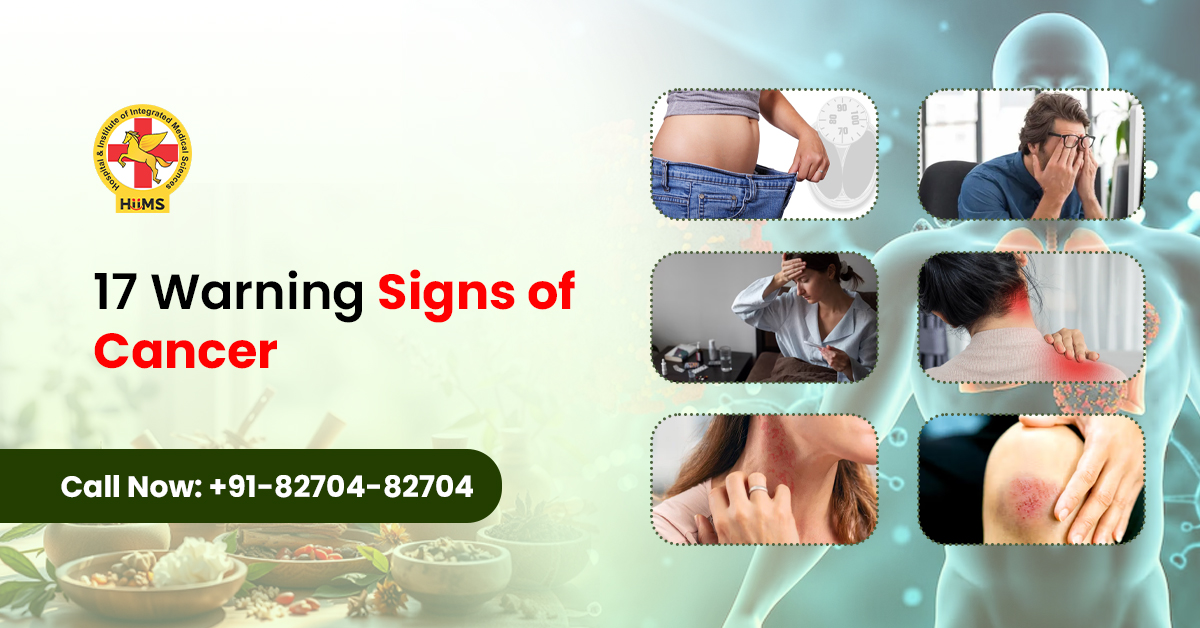
Ignoring these signs for a long time can delay diagnosis and make treatment more difficult. Paying attention to your health and taking timely action can protect your life and future. Remember, early detection gives the best chance for successful treatment and recovery. Below are 17 early warning signs of cancer that you should be aware of and take seriously.
General Symptoms
1. Unexplained Weight Loss
If you are losing 4–5 kg or more without trying, it may be a warning sign. This happens when the body is using too much energy due to hidden illness. Sudden weight loss should always be discussed with a cancer doctor.
2. Persistent Fatigue
If you feel tired all the time even after proper rest, it is not normal. It may be a sign that your body is dealing with some hidden problem. Long-lasting weakness should never be ignored.
3. Chronic Fever
A fever that comes again and again without any clear reason can be serious. It may point toward problems in the blood or immune system. Getting a medical checkup in such cases is very important.
4. Night Sweat
Excessive sweating at night that wets clothes or bedsheets is a warning sign. If it happens regularly, it needs attention. It may be linked to internal health issues.
5. Persistent Pain
Pain that stays for weeks without injury or reason is concerning. It can affect bones, back, head, or other areas. Continuous pain should always be evaluated by a cancer doctor.
Body Changes & Physical Marks
6. Unusual Lumps or Swelling
If you notice any new lump or swelling that is hard, painless, or increasing in size, do not ignore it. Such lumps commonly appear in the breast, neck, armpit, or groin. Getting them checked early is very important.
7. Skin Changes
Changes in moles or skin marks can be a warning sign. Look for uneven shape, unclear borders, changing color, growing size, or any sudden change. If a mole looks different than before, consult a doctor.
8. Sores That Don’t Heal
If any sore in the mouth, on the skin, or on any part of the body does not heal within three weeks, it should not be ignored. Such wounds may be a sign of internal health problems. Getting a proper medical examination on time is very important.
9. Unusual Bleeding or Bruising
Seeing blood in stool, urine, or vomit, or having bruises without injury, is not normal. These signs can point to internal issues. Immediate medical advice should be taken.
Respiratory & Digestive Symptoms
10. Chronic Cough
A cough that lasts more than 2–3 weeks should not be taken lightly. If it is accompanied by blood, chest pain, or breathlessness, medical testing is necessary.
11. Difficulty Swallowing
Feeling like food is stuck in your throat or chest is not normal. It may indicate problems in the food pipe and should be examined by a doctor.
12. Persistent Indigestion
Regular acidity, heartburn, or stomach pain that does not improve with medicine is a warning sign. Long-term digestive issues need proper medical attention.
13. Chronic Bloating
Feeling bloated or having abdominal swelling for many days is not healthy. If fullness continues for more than two weeks, it should be checked.
Changes in Body Functions
14. Changes in Bathroom Habits
Long-lasting constipation, diarrhea, or changes in stool size and color are not normal. These signs may point to digestive or bowel problems and need medical attention.
15. Blood in Urine or Stool
Seeing blood in urine or having black, sticky stool is a serious warning sign. It may indicate internal bleeding and should be checked immediately.
16. Postmenopausal Bleeding
Any bleeding after menopause is not normal and should never be ignored. It may be linked to hormonal or uterine problems and requires urgent examination.
17. Chronic Headache
Headaches that continue for more than two weeks and do not improve with medicine are concerning. Such pain may be related to internal pressure or other issues and needs proper testing.
When to Seek Medical Advice and How Doctors Can Help
If you notice any new symptom or warning sign of cancer that lasts for more than a few weeks, feels unusual, or keeps getting worse, you should consult a cancer doctor without delay. Do not wait for pain to become severe, because many serious diseases, including cancer, can grow silently in the early stages. Early consultation can save time, money, and most importantly, lives.
You should seek immediate medical help if you experience:
- Heavy or sudden bleeding
- Severe breathing problems
- Sudden weakness or collapse
- Intense chest pain
- Loss of consciousness
These cancer symptoms can be life-threatening and need urgent treatment.
How Doctors and Cancer Specialists Help You
When you visit a cancer doctor, they first understand your warning signs of cancer, cancer symptoms, lifestyle, and medical history. After that, they may suggest blood tests, scans, or other investigations to find the real cause. Based on the reports, a proper treatment plan is prepared.
At centers like HiiMS, experienced doctors and cancer specialists focus on early diagnosis, root-cause treatment, and long-term healing. They combine modern testing with personalized care to give better results.
Cancer doctors like Dr. Neha guide patients with proper counseling, clear diagnosis, and step-by-step treatment support. Their aim is not just to treat disease but to improve overall health and quality of life.
Taking medical advice on time is a wise decision. It protects your present and secures your future.
Conclusion
Not every symptom means cancer, but ignoring repeated warning signs of cancer can be dangerous. Your body speaks to you in many ways—through pain, tiredness, changes, and discomfort. When these signals appear again and again, they are asking for attention. Listening to your body on time can protect your life and your future.
Early testing helps detect cancer symptoms and cancer at the right stage, improves survival chances, reduces treatment complications, and saves lives. Waiting out of fear or carelessness only makes things worse. Your health is your biggest asset, and it should never be delayed.
If something feels wrong, do not ignore it. Take action and get proper medical advice. That one decision can change everything. Taking action at the right time can protect your health and your future. For expert guidance and timely care, contact:
+91 82704 82704
care@jeenasikho.com

FAQ
Q1. Do these symptoms always mean I have cancer?
Most of these symptoms can happen due to stress, infection, lifestyle issues, or minor illnesses. But if they last more than 2–3 weeks, they should be checked.
Q2. When should I see a doctor for these cancer symptoms?
The moment you feel something is off in your body and it doesn’t go away after many days, stop ignoring it. Don’t keep thinking that it will be fine on its own. Getting checked early can save you from big trouble later.
Q3. Can young people also get cancer?
Many people think cancer only happens in old age, but that’s not true. Young adults and even kids can get it. So no matter your age, your health should never be taken lightly.
Q4. Can lifestyle reduce the risk of cancer?
Your daily habits matter a lot. Staying away from tobacco, eating simple, healthy food, moving your body, and handling stress properly can lower your risk.
Q5. Should I worry if cancer runs in my family?
If someone close in your family had cancer, you should be a little more careful. Regular checkups and timely tests can help catch problems early.