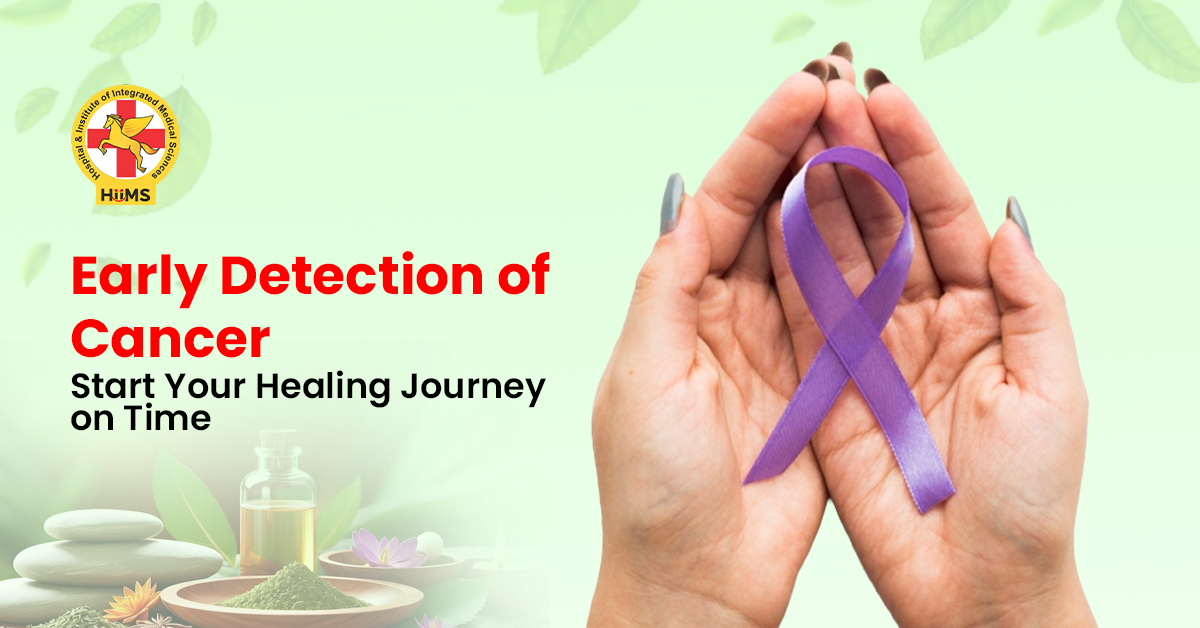

Most people ignore small changes in the body until something feels serious. That is where things often go wrong. Cancer does not always begin with severe pain. In many cases, it starts quietly. A little fatigue, a small lump, or sudden weight loss; these signs are easy to ignore.
This is why early detection of cancer becomes so important. It gives you time, time to act, time to treat, and in many cases, time to reverse complications before they grow. In this blog, you will understand the early signs of cancer, what to watch for, and how early action can change your entire treatment journey
What Is Early Detection of Cancer
Early detection of cancer means identifying cancer at an early stage, often before it spreads to other parts of the body. At this stage, treatment becomes easier, less aggressive, and more effective. This is also the phase when the probabilities of recovery become relatively higher, while the effect on the individual’s everyday life becomes substantially less.
Why Early Detection of Cancer Matters So Much
Cancer diagnosed in its early stages tends to remain confined to a specific region only. This makes cancer diagnosis and treatment more manageable. Early detection helps in:
- Better success rate in treatment.
- Less need for aggressive procedures.
- Lower risk of complications.
- Improved quality of life.
Delaying diagnosis often leads to complex treatments and longer recovery.
Warning Signs and Symptoms of Cancer You Should Watch Early
The body often gives signals, but they are easy to ignore. Understanding the warning signs of cancer and the signs and symptoms of cancer early can help you take action at the right time. Some common early signs of cancer include:
- Unexplained weight loss.
- Constant fatigue.
- A lump or swelling that does not go away.
- Changes in skin or moles.
- Ongoing cough or difficulty swallowing.
- Changes in bowel or bladder habits.
- Unusual bleeding or discharge.
- Persistent pain in any area.
- Night sweats or repeated fever.
- Abrupt changes in your voice or swallowing problems.
All of these indicators and symptoms may appear to be insignificant at first, but if they persist or worsen, they must not be dismissed. Early detection of these symptoms of cancer will make treatment simpler.
Cancer Prevention Starts with Daily Habits
Though not all cancers are preventable, cancer prevention is extremely lifestyle-related. Here are some methods to reduce your chances:
- Eat fresh foods.
- Stay away from cigarettes and alcohol.
- Work out regularly.
- Stress management.
- Have a healthy lifestyle.
Diet for Cancer Patients and Prevention
Diet plays a major role in both prevention and recovery. A proper diet for cancer patients usually includes:
- Fresh fruits and vegetables.
- Plant-based meals.
- Light and easy-to-digest food.
- Avoid processed and heavy items.
Many people also look for foods that prevent cancer, like turmeric, tulsi, and green vegetables, as part of their routine.

Challenges in Conventional Cancer Treatment
Modern treatment like chemotherapy is sometimes necessary, but it comes with challenges. Common chemotherapy side effects include:
- Weakness and fatigue.
- Hair loss.
- Nausea.
- Reduced immunity.
Because of this, many patients look for supportive care alongside treatment to manage these effects better.
A Balanced Approach to Cancer Care
At Jeena Sikho HiiMS, the focus is not only on the disease but also on improving overall body strength and recovery. Their approach includes:
- Detailed diagnosis and personalized planning.
- Natural therapies and Ayurvedic support.
- Detox methods like Panchakarma.
- Diet-based healing, such as plant-based routines.
- Stress management through yoga and meditation.
This kind of approach focuses on long-term healing, not just short-term control.
Cancer Diagnosis and Treatment in India
If you are exploring cancer treatment in India, choosing the right place matters. A good cancer hospital in India should offer the following:
- Clear diagnosis and explanation.
- Personalized treatment plans.
- Lifestyle and emotional support.
- Regular follow-up care.
Trust, clarity, and support are just as important as treatment itself.
Conclusion
Early detection of cancer is not just about finding a disease early. It is all about increasing your chances of recovery, decreasing the stress associated with your treatment, and ensuring that you have an easier time recovering.
Should you experience symptoms or have any doubts, it would be wise to seek clarification sooner rather than later. Alternatively, you may want to opt for guidance via a VOPD consultation conducted by trained experts at Jeena Sikho HiiMS.

FAQs
Q1. What is early cancer detection?
It refers to a cancer diagnosis before it spreads. It simplifies the treatment process.
Q2. Are all symptoms of cancer grave?
Not all symptoms are grave, but they can be fatal if the condition persists.
Q3. Can cancer be avoided altogether?
Cancer cannot be completely avoided, although one can reduce the risk of developing it.
Q4. Does good nutrition play a role in fighting cancer?
A balanced diet is critical when battling cancer.
Q5. When should you visit your doctor?
Visit a doctor if you have been experiencing symptoms that do not disappear after several weeks.