

Do you feel sudden shakes, sweats, and extreme hunger and wonder what is happening to you? This kind of experience sometimes happens unexpectedly. In particular, one might feel weak, dizzy, or lack concentration ability when suffering from diabetes and using insulin or diabetes medications.
This can happen when you have low blood sugar. For many people with diabetes, a blood glucose level below 70 mg/dL is considered low. Low blood sugar, also called hypoglycaemia, can happen in people without diabetes, although the reasons may be different. (MedlinePlus)
But how do you know when these symptoms are actually linked to low blood sugar? What causes it, and what should you do when it happens? In this blog post, we will discuss about the low blood sugar symptoms, causes and treatment in simple words. We will also look at the signs that you should never neglect.
What Is Low Blood Sugar?
Low blood sugar is clinically referred to as hypoglycaemia and is characterised by an unusually low level of glucose in the blood.
Glucose is one of the major sources of energy in the body, and in the case where there is a drop in the level of blood glucose, the body may show signs of warning, which may include feeling hungry, shaking, sweating or dizziness. Cleveland Clinic
What Blood Sugar Level Is Considered Low?
A low blood sugar level is defined for many people who have diabetes as anything below 70 mg/dL. But the critical blood sugar value may differ from one patient to another and depend on his treatment.
In case you are prone to experiencing such levels, talk to your physician rather than adjust your medications yourself.
Recognising Low Blood Sugar Symptoms
The signs of low blood sugar can develop quickly. Some people notice physical changes first, while others experience changes in mood or concentration.
Early Signs of Low Blood Sugar
Some of the common early hypoglycaemia symptoms could include:
- Trembling or shaking
- Sweating or chills
- Intense hunger sensation
- Lightheadedness or dizziness
- Feeling weak or fatigued
- Rapid heart rate
- Anxiety or feeling nervous
- Irritability
- Poor concentration
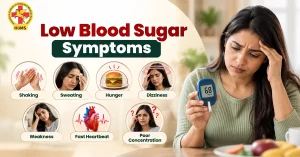
The symptoms mentioned above are an indication of low blood glucose levels.
Severe Symptoms
When blood sugar becomes very low, symptoms can become more serious. The symptoms that might appear are confusion, speech problems, blurred or double vision, uncoordinated movements, seizures, or fainting.
The condition is considered to be an emergency, and immediate medical assistance should be obtained. (Mayo Clinic)
What Causes Low Blood Sugar?
There are several possible low blood sugar causes, and they can be different for people with and without diabetes.
Causes in People With Diabetes
Low blood sugar can occur when:
- Too much insulin or certain diabetes medicines are taken
- A meal is skipped or delayed
- A person eats fewer carbohydrates than usual
- Physical activity is more intense than usual
- Alcohol is consumed without enough food
- Food intake and diabetes medicine do not match properly
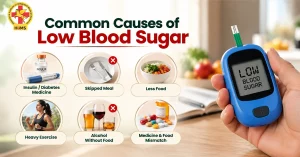
These factors can cause glucose levels to fall more than expected. (MedlinePlus)
Causes Without Diabetes
Hypoglycaemia is relatively uncommon in individuals who are non-diabetics. Causes may include medications, alcohol consumption, or any other diseases related to the liver, kidneys or hormonal disorders.
Repeated occurrences in non-diabetics need to be seen by a medical professional to know the cause of hypoglycaemia. (MedlinePlus)
How Is Low Blood Sugar Treated?
The approach depends on how severe the episode is.
Mild to Moderate Low Blood Sugar
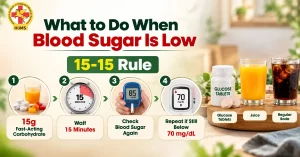
If a person is awake and able to swallow safely, a commonly recommended approach is the 15-15 rule.
Take about 15 grams of fast-acting carbohydrate, such as glucose tablets, fruit juice, regular soda or honey. Wait 15 minutes and check the blood glucose again. If it remains below 70 mg/dL, another 15 grams of fast-acting carbohydrate may be needed.
Once the blood sugar has returned to a safe level, a meal or snack containing carbohydrates and protein may help prevent another drop if the next meal is not soon. (Mayo Clinic)
Severe Low Blood Sugar
If a person is unconscious, having a seizure or cannot swallow safely, do not give food or liquid by mouth. Glucagon may be used when it has been prescribed and is available. Emergency medical help should also be called. (Mayo Clinic)
Can Ayurveda Be Part of Low Blood Sugar Care?
Ayurveda gives importance to regular meals, digestion, daily routine and individual health needs. These principles may be considered as part of general wellness, but low blood sugar needs to be addressed promptly when it occurs.
If a person is already taking diabetes medicines, Ayurvedic medicines or herbal products should not be added or substituted without appropriate professional guidance. Low blood sugar can sometimes be related to diabetes medicines, so the cause needs to be understood first.
How Can Low Blood Sugar Be Prevented?
When you know what causes the episodes of low blood sugar, there are certain practices that may lower the risk of developing such episodes again.
- Do not skip meals if your medications call for regular food intake.
- Always have access to fast-acting carbohydrates if advised by your health care professional.
- Monitor blood glucose levels as advised.
- Take notice of the changes in physical activity level.
- Talk to your healthcare professional about the alcohol consumption.
- Do not change insulin or diabetes medicine doses on your own.
If low blood sugar happens repeatedly, your low blood sugar treatment plan may need to be reviewed. (MedlinePlus)
If low blood sugar episodes are happening frequently, connect with the Jeena Sikho HiiMS team for personalised guidance based on your health needs.
How HiiMS Looks at Low Blood Sugar and Daily Wellness
Along with medical monitoring, lifestyle and dietary habits can also be considered when understanding repeated changes in blood sugar.
Jeena Sikho HiiMS explains low blood sugar in relation to everyday factors such as food habits, physical activity and routine. Such information can help people understand the possible triggers, but recurring or severe hypoglycemia still needs appropriate medical evaluation.
Understanding the Underlying Cause
The important point is not to focus only on the number shown on a glucose meter. Repeated episodes may be connected with medicines, meal timing, physical activity or another health condition.
HiiMS also discusses low blood sugar and its possible causes, with attention to lifestyle and individual factors.
When Should You Consult a Doctor?
You should speak with a healthcare professional if:
- Low blood sugar happens repeatedly
- You experience symptoms but do not have diabetes
- Your blood glucose frequently falls below 70 mg/dL
- Symptoms do not improve after taking fast-acting carbohydrates
- You have confusion, seizures or loss of consciousness
- You think your diabetes medicines may be causing frequent low readings
Do not stop or reduce prescribed diabetes medicines without professional advice.
Conclusion
Low blood sugar can develop quickly, so knowing the low blood sugar symptoms is important. Shaking, sweating, hunger, dizziness and weakness are common signs. Mild episodes may be managed with the fast-acting carbohydrates, while severe hypoglycaemia needs urgent medical care.
Ayurvedic diet and living habits could provide support towards well-being but shouldn’t be seen as a substitute for professional advice. In case you require individual consultation, you could consider VOPD consultation for your problems.

FAQs
1. What are the common symptoms of low blood sugar?
Shaking, sweating, hunger, dizziness, weakness, fast heartbeat, anxiety and confusion are common symptoms.
2. Causes of low blood sugar.
These include excess production of insulin or use of diabetic medication, missing meals, excessive physical exercise, and alcohol intake without food.
3. How to react to low blood sugar?
Take 15 grams of the carbohydrates if your blood glucose level is below 70 mg/dL and you are conscious enough to swallow.
4. Is hypoglycaemia serious?
It can cause convulsions and loss of consciousness, and hence, it should be treated right away.
5. Can non-diabetic patients suffer from hypoglycaemia?
Yes, but this rarely happens. Non-diabetics can suffer from hypoglycaemia due to certain drugs, excessive alcohol consumption and some illnesses.