

High blood pressure is a concern that many people generally find out about during a routine health checkup. Someone may feel comfortable, follow their usual schedule and carry on with daily activities, yet their BP reading may show a different picture. Long working hours, frequent outside meals, excess salt, poor sleep and constant stress can all be contributing factors to changes in blood pressure. However, family history, age and certain health conditions also play a part.
Understanding the causes of high blood pressure and management options becomes important when these readings start appearing regularly. While prescribed medicines remain necessary for many people, Ayurveda offers another way to look at everyday health through food, lifestyle, natural practices and individual body balance. The objective is to understand the person’s overall condition rather than focus only on a number.
In this blog, we will discuss common causes, what research says, the Ayurvedic perspective, natural care practices and how Jeena Sikho HiiMS New Noida approaches blood pressure care.
What Is High Blood Pressure and Why Should You Monitor It?
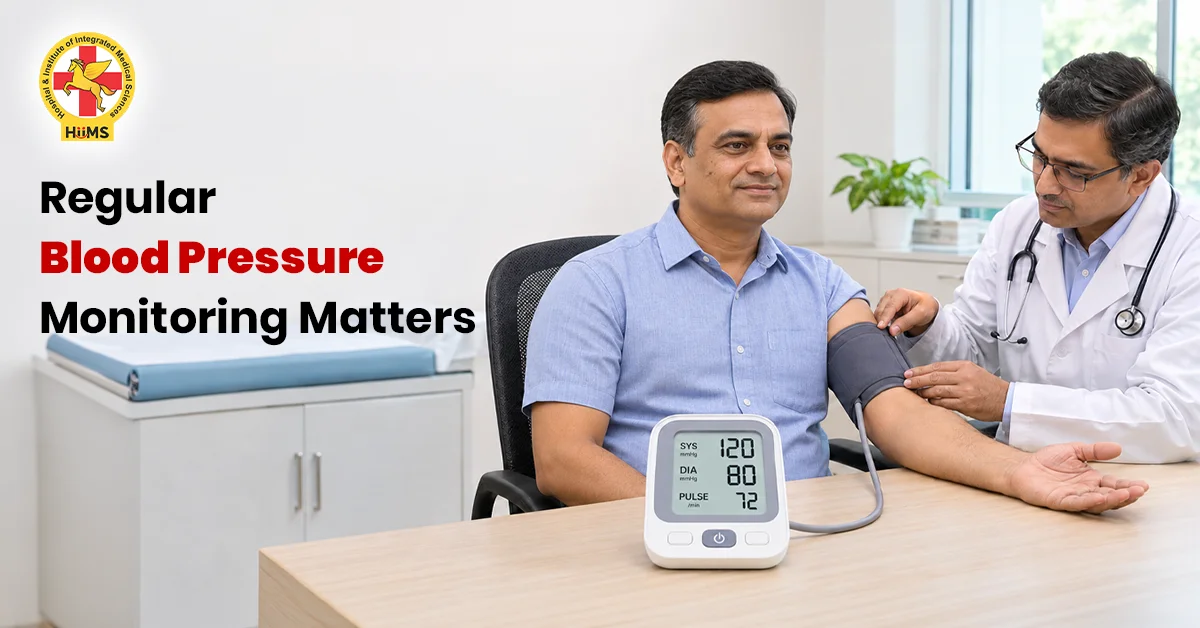
Blood pressure measures the force with which blood moves against the walls of the arteries. A reading contains two numbers: systolic pressure, recorded when the heart beats, and diastolic pressure, recorded when the heart rests between beats.
According to the World Health Organization (WHO), a reading of 140/90 mmHg or higher on measurements taken on two different days indicates hypertension. Therefore, one unusual reading does not confirm the condition. A regular blood pressure checkup helps doctors understand the pattern and decide what care a person needs.
Why Is High Blood Pressure a Growing Health Concern in India?
Daily routines have changed considerably. Many people spend hours sitting at work, depend on packaged meals and find a very little time for exercise. These habits can gradually affect heart health.
Did You Know? According to India’s NFHS-6 findings for 2023–24, elevated blood pressure was reported in 19.4% of women and 22.1% of men aged 15 and above. The ICMR-INDIAB study, published in The Lancet Diabetes & Endocrinology, also reported a weighted hypertension prevalence of 35.5% among its study population.
These findings show why awareness and regular monitoring deserve attention, even among adults who do not experience noticeable symptoms.
Concerned about your BP readings?
What Are the Common Causes of High Blood Pressure?
Several factors can contribute to high BP. Some relate to everyday habits, while others depend on age, family history or existing health conditions.
- Excess salt: Regular consumption of pickles, packaged snacks and salty processed food can increase sodium intake.
- Lack of movement: Sitting for most of the day without regular physical activity can affect cardiovascular health.
- Ongoing stress: Work pressure, personal responsibilities and insufficient relaxation can influence BP.
- Poor sleep: Irregular sleeping hours and disturbed sleep may affect normal body functions.
- Family history and age: A person’s chances of developing hypertension can increase with age and inherited factors.
- Other health conditions: Kidney problems, diabetes and certain hormonal conditions can also contribute.
- Tobacco and alcohol: Regular tobacco use and excessive alcohol consumption can affect blood pressure.

Understanding these factors helps doctors plan suitable high blood pressure management instead of suggesting the same routine to everyone.
What Are the Warning Signs and Possible Complications?
Most people with hypertension do not experience clear symptoms, which makes continuous BP monitoring important. Very high readings may occur alongside severe headaches, blurred vision, chest pain, dizziness or breathing difficulty.
If high BP remains uncontrolled, it can affect the heart, kidneys, brain and eyesight. In particular, a reading around 180/120 mmHg or higher with chest pain, breathing difficulty, confusion or vision changes needs immediate medical attention.
How Does Ayurveda Understand High Blood Pressure?
Ayurveda considers the connection between Vata, Pitta and Kapha while understanding a person’s overall health. It also gives importance to digestion, food habits, sleep, emotional balance and daily activities.
For example, irregular routines and continuous stress may be considered signs of disturbed Vata, while excessive heat and irritability may relate to Pitta imbalance in traditional Ayurvedic understanding.
The Ayurvedic approach therefore gives importance to suitable food, a balanced routine, relaxation, whether it is physical or mental, and therapies selected after an individual assessment.
Ayurvedic and Natural Approaches for High Blood Pressure Management
Ayurveda offers several traditional practices that can form part of a carefully planned wellness routine.
1. Balanced Diet and Mindful Eating
Fresh vegetables, fruits, whole grains and home-cooked meals can make everyday eating healthier. Limiting excess salt and packaged food also helps maintain a heart-friendly diet.
2. Yoga and Breathing Practices
Gentle yoga, slow breathing, left-nostril breathing (chandrabhedi pranayama) and alternate-nostril breathing (anulom-vilom) can encourage relaxation. Practise them comfortably without holding or forcing the breath.
3. Panchakarma Therapies
Panchakarma includes five traditional procedures: Vamana, Virechana, Basti, Nasya and Raktamokshana. Each procedure has a different purpose in Ayurveda, and a qualified practitioner must assess its suitability.
4. Relaxation and Meditation
A few minutes of meditation, a regular sleep schedule and quiet time during the day can help people manage everyday stress.
Ayurvedic medicines and herbs also need proper selection, quality checks and medical guidance, particularly when a person already takes BP medicines.

How Jeena Sikho HiiMS Approaches High Blood Pressure Care in New Noida
At Jeena Sikho HiiMS New Noida, the healthcare approach brings Ayurveda, Panchakarma, naturopathy, diet and lifestyle guidance, yoga and meditation into an integrated care setting.
The doctors can consider a person’s medical history, current prescriptions, food habits, sleep patterns and existing health concerns before discussing suitable care options. Regular BP monitoring and follow-up also remain important parts of responsible hypertension care.
For someone exploring high BP management in New Noida, an individual consultation can help clarify which Ayurvedic practices may be suitable alongside necessary medical treatment.
Looking for guidance for your blood pressure concerns?
Daily Habits That Can Help Maintain Healthy Blood Pressure
Small changes can make daily health routines easier to follow. Try to:
- Include fresh, balanced and low-salt meals.
- Walk regularly and avoid sitting for long periods.
- Maintain consistent sleeping and waking hours.
- Practise gentle yoga or breathing exercises.
- Check BP as advised by your doctor.
- Avoid tobacco and limit alcohol.
Consistency is more important than following a strict routine for only a few days.
Conclusion
Understanding the causes of high blood pressure and management options is an important step towards taking better care of your heart. Ayurveda focuses attention on food, daily habits, body balance and natural practices that can form part of an individual care plan.
If you are looking for high blood pressure care in New Noida, you can also opt for a VOPD consultation with expert doctors at Jeena Sikho HiiMS and discuss your health concerns from the comfort of your home.

FAQs
1. What is the normal blood pressure range for adults?
A reading below 120/80 mmHg is generally considered normal for adults.
2. Which foods should people with high BP limit?
People with high BP should limit excess salt, packaged snacks, pickles and highly processed foods.
3. Can yoga and pranayama be part of a BP care routine?
Gentle yoga and comfortable breathing practices can encourage relaxation and complement a doctor-guided care plan.
4. When should I consult a hypertension specialist?
Consult a doctor when repeated BP readings remain elevated or when you have other health concerns.
5. Should I continue prescribed medicines while taking Ayurvedic treatment?
Discuss every herbal formulation with doctor and continue prescribed medicines unless the Ayurvedic doctor changes the treatment plan.