

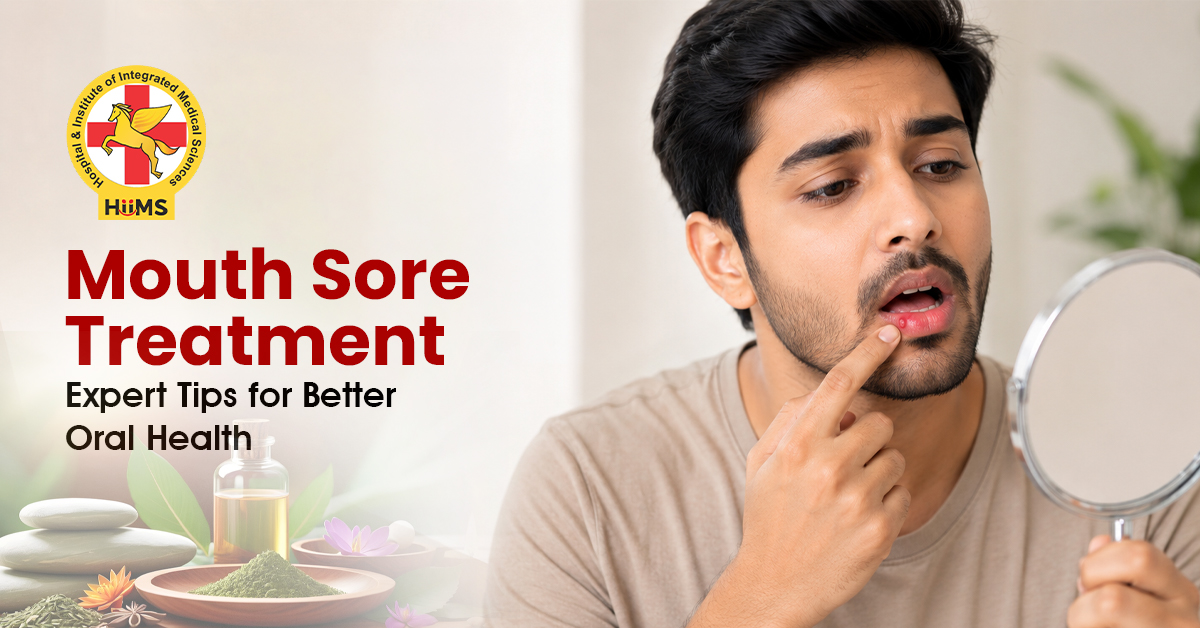
That sharp sting every time you bite into something spicy, or even just talk too much, mouth sores have a way of ruining your day out of nowhere. Most of the time, they’re harmless. Annoying, sure, but harmless.
Still, knowing the right mouth sore treatment makes the difference between suffering through a week of discomfort and actually finding relief within a day or two. Let’s get into what causes them, how to spot the warning signs, and what genuinely helps.
What Exactly are Mouth Sores?
These small sores are usually on the inner cheeks, lips, tongue, or gums and are also known as canker sores or aphthous ulcers. Not contagious, unlike cold sores, which people often confuse with it. Most clear up on their own within one to two weeks. Some don’t, and that’s when it’s worth paying closer attention.
Common Mouth Sore Symptoms to Watch For
A single small ulcer usually isn’t much to worry about. But knowing what counts as a mouth sore symptoms red flag helps you decide when to just wait it out versus when to get it checked:
- A burning or tingling sensation before the sore even appears
- Pain that worsens with spicy, acidic, or hot food
- Swelling around the sore
- Difficulty eating, talking, or brushing without discomfort
- A sore larger than 10mm, or clusters of tiny ulcers appearing together
If you’re noticing fever alongside the sores, or if they’re not healing after three weeks, that’s genuinely worth a doctor’s visit rather than more home remedies.
Causes of Mouth Sores: Why Do They Keep Showing Up?
This is the part people actually want answered. Causes of mouth sores vary quite a bit from person to person, but a few patterns come up constantly:
- Accidentally biting the inside of your cheek or lip
- Irritation from braces, dentures, or aggressive brushing
- Stress and emotional strain, which weaken immunity
- Hormonal shifts, particularly around menstruation
- Eating a lot of acidic foods like oranges, pineapple, or strawberries
- Nutritional deficiencies, especially B12, iron, or folate
Interestingly, doctors still don’t fully understand why some people get recurring ulcers while others rarely deal with them at all, even with similar habits.
Home-Based Mouth Sore Treatment That Actually Works
Good news here, most sores respond well to simple, low-effort care. A warm saltwater rinse, a teaspoon dissolved in a cup of water, several times a day, genuinely helps reduce inflammation and speeds up healing. Raw honey dabbed directly onto the sore works thanks to its antibacterial properties.
Coconut oil, when swished around the mouth for a few minutes, also has some antimicrobial benefits. Over-the-counter gels with benzocaine or hydrocortisone numb the area if the pain’s really getting in the way of eating.
When Should You Actually See a Doctor?
Most sores don’t need medical attention at all. But if yours is sticking around past three weeks, unusually large, or paired with fever and general fatigue, don’t just keep rinsing and waiting. That combination sometimes points to an underlying condition that needs proper diagnosis, not just symptom management.
Can Diet Really Trigger Mouth Sores?
Yes, more than people expect. Spicy, salty and acidic foods tend to irritate existing sores and can bring on new ones in susceptible people.
On the flip side, deficiencies in certain nutrients, such as iron, B12, and folate, are also linked to recurring ulcers. So if sores keep showing up frequently, it’s worth looking at your overall diet, not just what triggered the last one.
Mouth Sore Treatment Through Ayurveda
Ayurveda looks at mouth ulcers, or Mukha Paka, as largely a Pitta imbalance, excess heat building up in the body and showing up as inflammation in the mouth. This usually means cooling the system down rather than just treating the sore itself. Herbs like licorice (Mulethi), aloe vera, and Triphala are commonly used, either as a rinse or applied directly, alongside dietary changes that reduce spicy, fried, and acidic foods.
For people dealing with frequent recurrence, Ayurvedic approaches often look at digestion and overall Pitta balance as the actual root cause, rather than treating each sore as an isolated event.
Conclusion
Most mouth sore treatments don’t need to be complicated; saltwater rinses, honey, and a bit of patience usually do the job within a week or two. But if sores keep coming back frequently, or one’s sticking around longer than it should, it’s worth looking a little deeper, whether that’s through your diet, your stress levels, or an underlying Pitta imbalance.
If you want a more root-cause approach to recurring mouth sores or your overall oral health, you can book a VOPD consultation with Jeena Sikho HiiMS and have a thorough conversation with our expert team.
FAQs
- How many days does it take for a mouth ulcer to heal normally?
It normally heals itself in a span of one to two weeks without requiring any form of treatment at all.
- Are sores in the mouth contagious?
They are non-contagious unlike cold sores and do not spread upon contact.
- Is it true that mouth ulcers are caused by stress?
Yes, as stress weakens your immune system and makes you susceptible to mouth sores.
- What food items should be avoided if you have mouth ulcers?
Acidic, salty and spicy food aggravates the condition of your sores.
- When should you be alarmed by having sores in your mouth?
This would be the case if it takes longer than three weeks to heal or if it is accompanied by fever.
Disclaimer: The information provided on this blog is for general educational and informational purposes only. It is not intended to replace professional medical advice, diagnosis, or treatment. Always consult a qualified healthcare professional before making any changes to your diet, lifestyle, or treatment plan. Individual results may vary.