

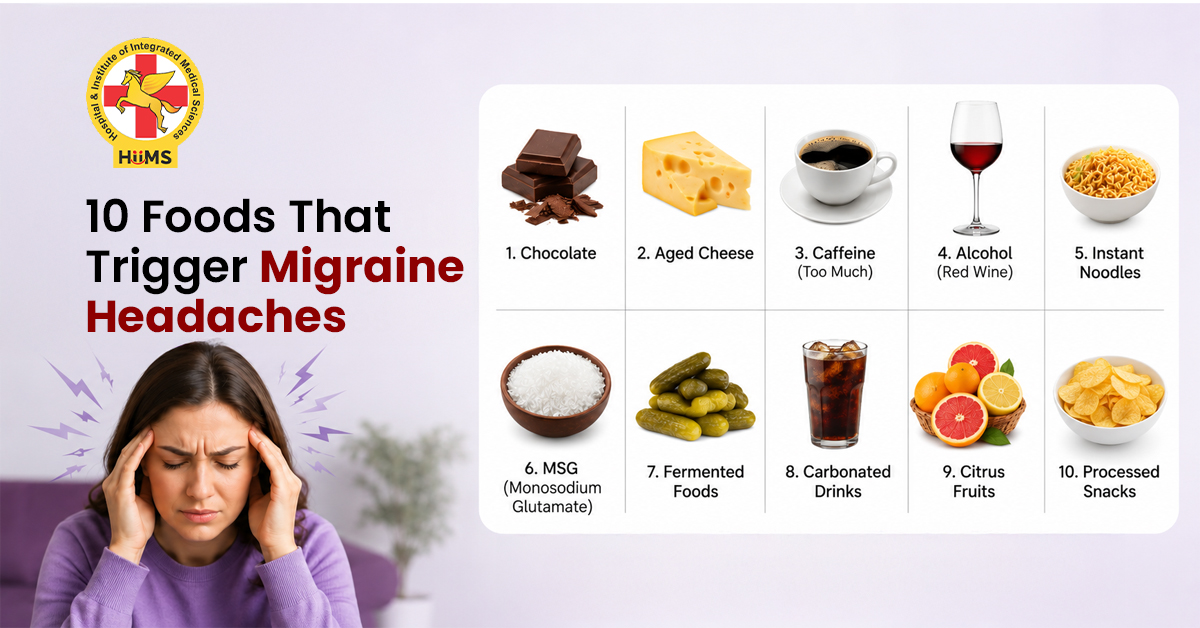
If you’ve ever experienced an intense pain behind your eyes that was followed by a sudden sensitivity to light, you know how disruptive a migraine headache can be. This is not a regular headache that you can just shake off with a cup of tea. A severe episode can leave you stuck in a dark room for hours, feeling completely helpless. While genetic factors play a massive role, what you choose to eat every day acts as one of the most powerful dietary triggers for migraines.
Identifying your personal food triggers for migraines can give you your life back. When you consume certain items, your nervous system can overreact, leading to sudden swelling in your brain’s blood vessels. While tracking your specific migraine headache symptoms helps you understand your body’s unique warning signs, cleaning up your kitchen is your best first line of defence. Let’s look at the top ten common food culprits that might be causing your painful episodes.
10 Common Food Triggers for Migraines
1. Aged Cheeses
Love eating cheese? If you struggle with a frequent migraine headache, you might want to reconsider items like Cheddar, blue cheese, Swiss, feta, and Parmesan. These aged dairy products contain high amounts of tyramine. This specific amino acid forms as protein breaks down over time and causes rapid changes in your blood vessels, acting as one of the top food triggers for migraines.
2. Processed and Cured Meats
Bacon, hot dogs, salami and other deli meats are often filled with artificial preservatives such as nitrates and nitrites. They are added to keep the meat fresh, but they can cause your blood vessels to expand quickly. This rapid growth puts a lot of pressure on your skull and causes excruciating pain.
3. Chocolate
Chocolate is a highly debated topic among medical experts. While many people report it as a direct trigger, researchers believe that a sudden craving for sweet chocolate might actually be one of the early migraine headache symptoms. Your body craves sugar right before the pain phase begins, making you reach for the very item you blame later.
4. Alcohol (Especially Red Wine)
A single glass of red wine can trigger an intense throbbing sensation within a couple of hours. Alcohol contains a heavy mix of histamines, tannins, and sulfites. These compounds combine with the natural dehydration you get from drinking, and it creates a perfect storm in your nervous system, a major migraine trigger.
5. Too Much Caffeine
Caffeine is a double-edged sword. While a small drop of caffeine can sometimes relieve a mild headache, consuming too much of it ruins your internal balance. More importantly, experiencing sudden caffeine withdrawal if you skip your morning coffee is a massive reason your head starts pounding.
6. Artificial Sweeteners
If you frequently drink diet sodas or eat sugar-free packaged snacks, check the labels for aspartame and saccharin. These chemical sugar substitutes alter your brain chemicals and are widely reported across the globe as direct chemical triggers for migraines.
7. Monosodium Glutamate (MSG)
MSG is a flavour enhancer heavy in some restaurant foods, some packaged potato chips, canned soups and some savoury snack mixes. It works as a neuroexcitatory agent, which means it overstimulates your nerve cells and can trigger a severe episode with nausea.
8. Pickled and Fermented Foods
Items like olives, sauerkraut, kimchi, and traditional pickles undergo long fermentation. This means that they are loaded with histamine and tyramine, two major compounds that can cause spasms of the blood vessels in the brain.
9. Fresh Citrus Fruits
Oranges, lemons, limes, and grapefruits are full of healthy vitamin C, but they also contain a compound called octopamine. In sensitive people, this particular compound can trigger a massive histamine reaction, leading to an acute painful flare.
10. Yeasty Breads and Overripe Fruits
Freshly baked bakery goods made with active yeast can make you feel dizzy. Similarly, overripe fruits like brown bananas, papayas, and avocados accumulate high levels of tyramine as they sit on your counter, turning healthy snacks into unexpected dietary triggers for migraines.
Tracking Your Migraine Headache Symptoms for Better Prevention
Everyone’s body reacts differently to these items. To truly get ahead of the pain, it is highly beneficial to keep a simple food diary. Write down exactly what you eat throughout the day and note down any migraine headache symptoms like blind spots, nausea, or neck stiffness that show up later. Pinpointing your exact personal food triggers for migraines makes it much easier to plan your daily meals without fear.
Conclusion
In chronic migraine headache, a steady combination of diet discipline and stress management is important. Cutting out highly processed foods, avoiding chemical additives, and making sure you are well-hydrated can help to significantly reduce the number of your attacks.
If you are trying to figure out what is causing your chronic headaches and you want a personal approach, then getting expert guidance is a great option. You can schedule a VOPD consultation with the medical team at Jeena Sikho HiiMS. Our experienced doctors look closely at your lifestyle and guide you toward a natural, holistic recovery plan to live a pain-free life.

FAQ’s
1) How long after eating a trigger food does a migraine start?
A flare-up can trigger within 2 to 24 hours after consuming a specific food item.
2) Can drinking water help ease my migraine headache symptoms?
Yes, drinking lots of water helps reduce dehydration, which is a major trigger for head pain.
3) Why does red wine cause more headache pain than other drinks?
Red wine has more tannins and sulphites which are strong migraine triggers.
4) I suffer from frequent headaches. Can I eat any fruit?
Most fruits are fine, but avoid overly ripe bananas and avocados, and too much citrus fruit.
5) Can missing meals cause bad migraine headache symptoms?
Skipping meals can cause your blood sugar levels to fall quickly, and this can easily trigger nerve pain.