

Most people have felt that strange little moment after getting up too quickly from bed or from a chair. The head feels light, the body feels a little disconnected, and for a few seconds everything needs to settle before life feels normal again. When that happens once in a while, it may pass without much thought. When it starts repeating, though, it is worth paying attention to.
That is where orthostatic hypotension comes in. Most people do not pay much attention to it at first. You get up after sitting or lying down for some time and suddenly feel a little dizzy or off balance. The feeling usually lasts only a short while, but it can leave a person feeling uncomfortable and unsettled.
In this blog, we will look at orthostatic hypotension causes, the symptoms of orthostatic hypotension, and the kind of orthostatic hypotension treatment and orthostatic hypotension management that can support recovery in a steadier way.
What Is Orthostatic Hypotension?
Orthostatic hypotension, sometimes called postural hypotension, is a condition in which a person feels dizzy or light-headed after getting up from a sitting or lying position. Normally, the body adjusts on its own when we stand. The heart and blood vessels work together to keep blood moving properly so the brain continues to get the supply it needs. When that response is slow or weak, the pressure drops for a short time and the person may feel dizzy, weak, or unsteady.
This is not the same as one random feeling of tiredness. If it keeps happening, the body may be trying to signal a bigger issue, and that is why the recurring pattern has as much meaning as the moment itself.
Understanding Orthostatic Hypotension Causes
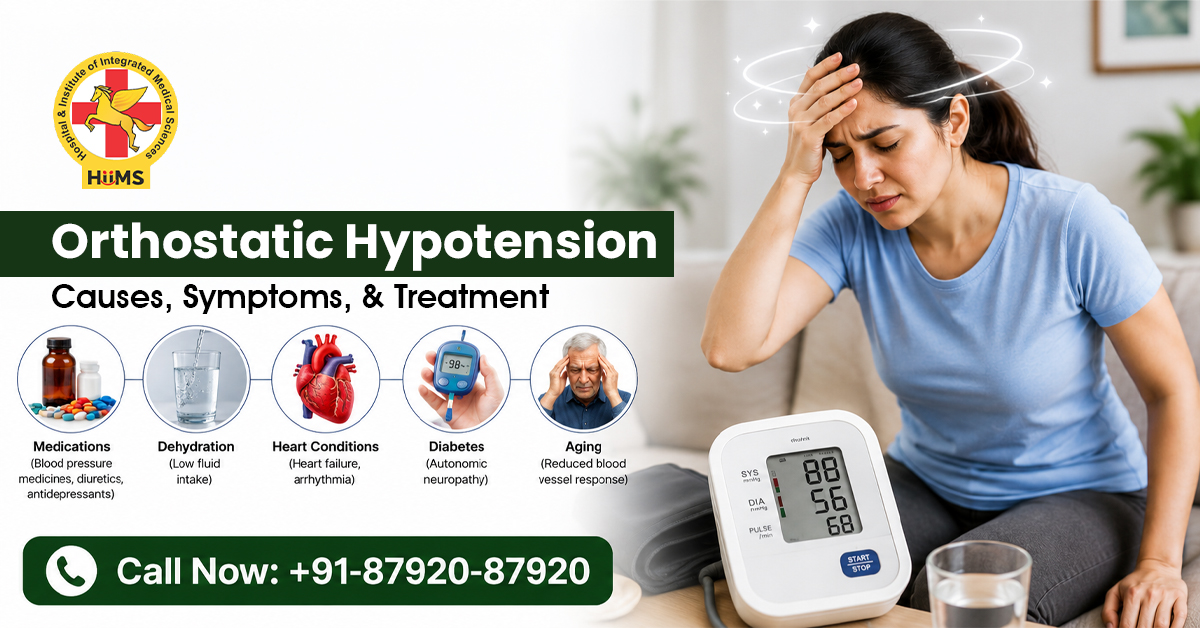
One of the most common orthostatic hypotension causes is dehydration. When the body loses too much fluid through sweating, vomiting, diarrhea, or simply not drinking enough water, blood volume falls and the circulation has a harder time keeping pressure steady when a person stands.
Another reason can be poor nutrition. Low Vitamin B12 or generally weak nourishment may affect the nerves and circulation that help the body adjust its blood pressure. That is why a person with repeated dizziness should not ignore food habits and long-term weakness.
Modern medicines can also play a part. Some blood pressure medicines, diuretics, and antidepressants may lower blood pressure more than expected in certain people, especially when they stand up quickly. In many cases, postural hypotension causes are not from one big issue but from a mix of smaller ones.
Heart-related conditions and nerve-related problems may also contribute. If the heart does not pump efficiently, or if the nervous system cannot send the right signals at the right time, the body may fail to correct the pressure drop. Diabetes-related nerve damage and conditions such as Parkinson’s disease are among the known links. Long periods of bed rest can also make the body less ready for quick posture changes.
Symptoms of Orthostatic Hypotension
The symptoms of orthostatic hypotension often start right after standing. Dizziness is the one people notice most often, and sometimes it feels like the room is moving for a moment. Blurred vision can follow, and the body may feel oddly weak, as if it needs extra time to wake up.
Some people also feel mentally slow for a short while. Concentration slips. Walking feels less steady than usual. In stronger occurrences, the person may feel close to fainting or may actually faint. Lightheadedness, blurry vision, weakness, fainting, and confusion are among the common signs.
What makes this condition tricky is that the symptoms may appear ordinary at first. A person may blame stress, skipped meals, or simple tiredness and keep moving through the day. But when those symptoms repeat, the body is asking for a closer look.
When Should You Consult a Doctor?
A doctor should be consulted when dizziness becomes frequent, when fainting happens more than once, or when the symptoms start interfering with work, walking, driving, or routine household tasks. People who already have diabetes, heart disease, or nerve-related concerns should be even more careful about recurring episodes.
Orthostatic Hypotension Treatment at Jeena Sikho HiiMS Hospital Panvel
A thoughtful orthostatic hypotension treatment plan should not stop at the symptom. It should look for the reason behind the drop in blood pressure and then support the body in a way that feels practical and sustainable. That is the approach followed at Jeena Sikho HiiMS hospital panvel.
Ayurvedic Assessment and Root Cause Evaluation
The first step is to understand the person’s routine, food habits, sleep pattern, weakness level, and any health condition that may be influencing the blood pressure. This kind of review helps shape care that feels personal instead of generic.
Panchakarma-Based Detoxification Support
Depending on the patient’s condition, selected Panchakarma and Ayurvedic therapies may be used to support balance in the body and help the system feel less burdened.
Herbal Support for Strength and Circulation
Ayurvedic herbs may be suggested under supervision to support strength, circulation, and recovery. The aim is to help the body respond more steadily, not to force it unnaturally.
Diet and Lifestyle Guidance
This part of orthostatic hypotension management is very important. Drinking enough water, eating at proper times, avoiding long gaps between meals, and standing up slowly can all make a real difference in day-to-day comfort.
Yoga and Breathing Practices
Yoga and breathing exercises do not have to be complicated. When done regularly, they can help a person feel steadier, more relaxed, and better able to manage daily activities.
Natural Therapies for Better Circulation
As part of orthostatic hypotension treatment, natural therapies may be used to support better circulation and overall wellness. The idea is to work with the body, not against it.
Conclusion
Many people ignore it completely in the beginning. A little dizziness after standing does not always seem important. But if it keeps coming back, it can start getting in the way of normal daily activities. Understanding the orthostatic hypotension causes early can help in finding the right care. Along with healthy habits and proper support, many people notice that their symptoms become easier to deal with over time.
At Jeena Sikho HiiMS Hospital Panvel, attention is given to understanding the problem as a whole rather than looking at symptoms alone. If these incidents continue to trouble you, a VOPD (online video consultation) with the expert doctors can help you explore the next steps.

FAQs
1. What usually triggers orthostatic hypotension?
Dehydration, medicines, poor nutrition, nerve issues, heart conditions, and long bed rest are common triggers.
2. What are the first signs a person may notice?
Dizziness, blurred vision, weakness, and feeling unsteady after standing are often the earliest signs.
3. Can daily habits make the condition worse?
Skipping water, missing meals, and standing up too quickly can make symptoms more noticeable in some people.
4. What does orthostatic hypotension management usually focus on?
It usually focuses on hydration, better meal timing, slower posture changes, and support for the root cause.
5. When does dizziness need proper medical attention?
Repeated episodes, fainting, or symptoms that disturb daily life should be checked by a doctor.