

Low blood pressure is something many people live with for years without giving it much serious consideration, mainly because the signs do not always feel extreme at first. But the body does express itself, and it often reveals itself through tiredness, lightheadedness, blurred vision, or a strange sense of weakness that keeps returning during the day.
In simple terms, low blood pressure means the force of blood moving through the arteries is lower than it should be, and when that happens, the brain and other organs may not get steady support. People sometimes mistake these changes for stress, poor sleep, or just a busy routine, which is why low BP symptoms are so often ignored and put aside. A better understanding of symptoms of low blood pressure can help a person notice what the body has been trying to say and respond before the problem starts disturbing daily life.
In the next sections, we will look at the meaning, signs, causes, and gentle care approach in a clear and practical way.
What is Low Blood Pressure?
Blood pressure is written as two numbers, and each one tells a different part of the story. The upper number shows the pressure when the heart pumps, while the lower number shows the pressure when the heart rests between beats.
A reading under 90/60 mm Hg usually comes under low blood pressure, though the body does not react the same way in every person. Some people do not notice any problem, while others may start feeling dizzy, weak, or slightly unsteady after a small change in pressure.
Why Proper Blood Flow is Essential for the Body
The body depends on smooth circulation to keep the brain alert, the muscles steady, and the organs properly supplied. When blood pressure falls too much, the blood may not reach the brain with enough force, and that is when a person may feel unsteady, sleepy, or foggy. In simple language, the body starts working with less support, and even normal tasks can feel heavier than they should.
Common Low BP Symptoms People Often Ignore
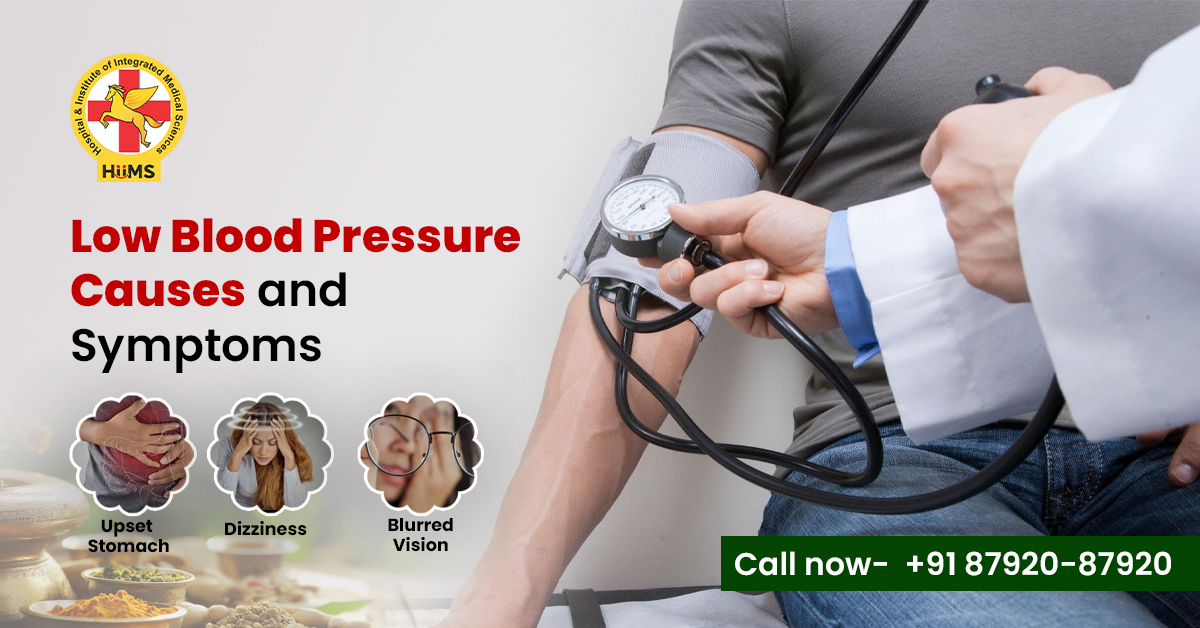
The first signs are often still and quiet. A person may stand up and feel a sudden wave of dizziness, or may feel weak after sitting for a long time. Other common signs include blurred vision, nausea, feeling faint, cold or pale skin, and trouble staying focused.
These low bp symptoms may come and go, which is exactly why they are easy to ignore in the beginning. Yet repeated symptoms of low blood pressure usually deserve attention, especially when they develop enough to interrupt work, study, walking, or simple household tasks.
Low Blood Pressure Causes You Should Know
What Usually Triggers It
There are many low blood pressure causes, and they do not all look the same. Dehydration is one of the most common reasons, because less fluid in the body means less blood volume to move around. Skipping meals, long gaps between eating, iron deficiency, vitamin B12 deficiency, and poor nourishment can also play a role. Stress and poor sleep may not look like direct causes at first, but they can still disturb the body’s natural balance. These everyday factors often sit at the heart of the causes of low blood pressure that people notice in real life.
Health Conditions and Medicines
Sometimes the reason is deeper. Heart problems, thyroid issues, hormonal imbalance, diabetes, pregnancy-related changes, and serious infections can all lower blood pressure. Certain medicines, especially some BP medicines and diuretics, may also bring pressure down more than needed. This is why low BP should never be judged only by one reading. The full health picture needs to be considered.
When Can Low Blood Pressure Become Serious?
When blood pressure drops very fast, the body may struggle to respond in time. Some people suddenly feel extremely weak, lose balance, become confused, face breathing discomfort, or develop cold damp skin with a faint pulse. Such symptoms should receive medical attention because they may be linked with a serious underlying problem.
Conclusion
Low pressure should not be dismissed just because it looks less alarming than high blood pressure. When low BP symptoms appear again and again, they can slowly affect energy, balance, concentration, and confidence in daily life.
The good part is that many people feel better once they understand the reason, improve their routine, and take the condition seriously at the right time. Simple hydration, regular meals, good sleep, and a balanced Ayurvedic approach can make a real difference when they are followed with care and consistency.
If the signs are continuing, it is always wiser to look deeper instead of adjusting to the discomfort. For further guidance, you can also opt for VOPD (an online video consultation) for your health concerns with expert doctors at Jeena Sikho HiiMS Panvel.
 FAQs
FAQs
Q1: What are the first signs of low blood pressure?
A person may start feeling lightheaded, weak, tired, or slightly faint, especially after getting up quickly or staying without food for too much time.
Q2: Why does low blood pressure make a person feel tired?
The body may feel low on strength because slower blood flow can affect energy supply to the brain and muscles.
Q3: Which habits can lead to low blood pressure?
Drinking less water, eating late, poor sleeping habits, stress, and some medicines can sometimes lower blood pressure.
Q4: Can low blood pressure happen after standing up quickly?
Some people suddenly feel dizzy or unstable after standing because the blood takes a little time to adjust inside the body.
Q5: When should low blood pressure be checked by a doctor?
A doctor should be consulted if weakness, fainting, dizziness, or breathing difficulty starts disturbing everyday life often.
causes of low blood pressure, low blood pressure causes, low blood pressure treatment, low bp symptoms, low bp treatment, symptoms of low blood pressure
Disclaimer: The information provided on this blog is for general educational and informational purposes only. It is not intended to replace professional medical advice, diagnosis, or treatment. Always consult a qualified healthcare professional before making any changes to your diet, lifestyle, or treatment plan. Individual results may vary.