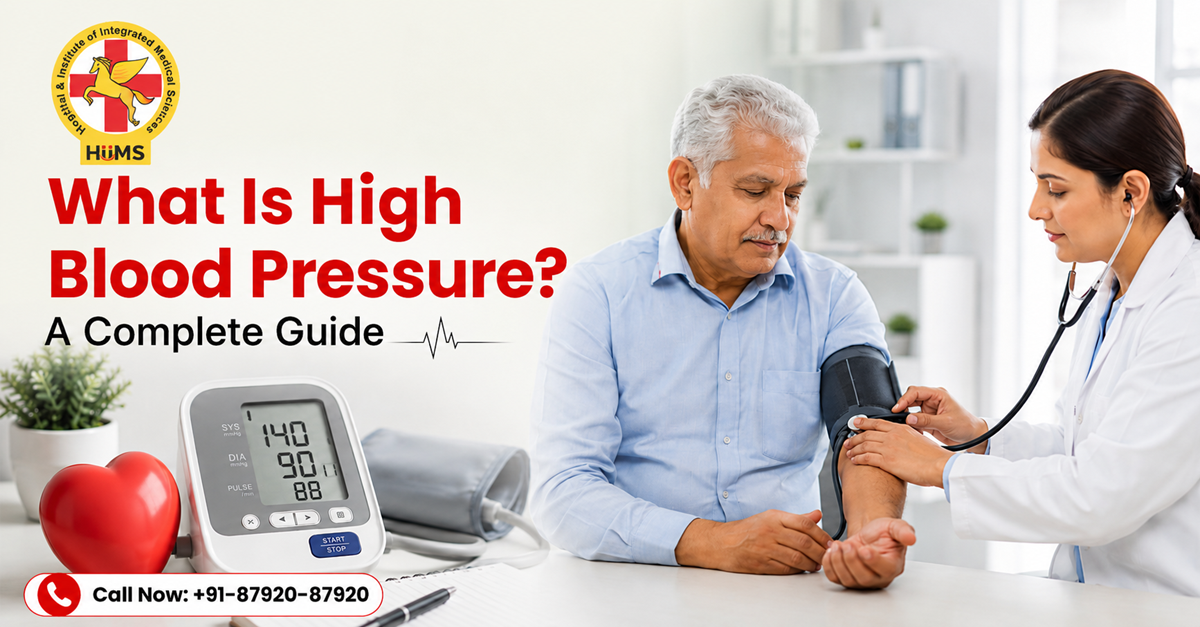

Most people do not think much about blood pressure until a routine check gives a number they did not expect. By then, the body has often been carrying pressure for quite some time. That is why, what is high blood pressure? is an important question, not just a medical one but a daily-life one too.
Long working hours, less movement, salty food, stress, and poor sleep can slowly push the body away from balance, even when a person feels “fine” on the outside. In many cases, the early change is small enough to ignore, but the effect grows with time.
This blog explains the condition in simple language, so you can understand the signs, the reasons behind it, the stages, and the practical ways people try to manage it in a more natural and steady approach.
What Is High Blood Pressure?
Blood pressure is the force of blood as it moves through the arteries and reaches every part of the body. Doctors read it with two numbers. The first one, called systolic pressure, shows the force when the heart pushes blood out. The second one, called diastolic pressure, shows the force when the heart rests between beats.
When those numbers stay higher than normal again and again, the condition is known as high blood pressure. In simple words, what is high blood pressure? It is a state where the heart has to work harder than it should for a long time, and that extra strain slowly affects the whole system.
Why High Blood Pressure Is Often Called a Silent Condition
Many people do not feel much in the beginning, which is why the condition gets missed so often. Life goes on normally, and the body may not send a clear warning right away. That is also why regular monitoring is so important, especially for people who have family history, weight concerns, diabetes, or a stressful routine.
The rise usually happens slowly. A person may go from normal readings to higher ones without any major change in how they feel. By the time they notice something is off, the body may already have been under strain for months.
Common High Blood Pressure Symptoms You Should Not Ignore
The high blood pressure symptoms are not always the same for every person, but a few patterns come up often. Some people feel morning headaches, while others notice dizziness, unusual tiredness, or a heavy feeling in the chest. Shortness of breath, blurred vision, and an uneven heartbeat can also appear.
These signs of high blood pressure may seem small at first, and that is exactly why people dismiss them. Still, when they repeat, they deserve attention rather than speculation.
What Are the Main Causes of High Blood Pressure?
Lifestyle-Related Causes
In many cases, the causes of high blood pressure are connected to simple daily choices. Many people do not think twice about eating packaged snacks, sitting for long hours, or sleeping late. These habits can become part of everyday life. Over the years, however, they may affect the body’s normal functioning and contribute to higher blood pressure levels.
Emotional and Mental Factors
Stress, anxiety, and constant mental pressure can also add to the problem. When the mind stays tense for long stretches, the body often follows that same routine.
Other Contributing Factors
Weight gain, family history, diabetes, kidney-related issues, smoking, and alcohol use can all play a role. In some people, the reason is a combination of several small things rather than one big cause.
Understanding the Different Stages of High Blood Pressure
| Category | Systolic (Top Number) | Diastolic (Bottom Number) |
| Normal Blood Pressure | Below 120 | Below 80 |
| Elevated Blood Pressure | 120–129 | Below 80 |
| Stage 1 Hypertension | 130–139 | 80–89 |
| Stage 2 Hypertension | 140 or more | 90 or more |
| Hypertensive Crisis | Above 180 | Above 120 |
A reading in the elevated range is a warning to pay more attention to routine and habits. Stage 1 and Stage 2 usually need stronger care, while a hypertensive crisis is a medical emergency and should never be handled casually.
What Can Happen If High Blood Pressure Is Left Unmanaged?
The effects of high blood pressure are usually not limited to one area of the body. If it remains unmanaged for a long period, the heart and blood vessels continue to work under extra pressure. Slowly, this can affect other organs too. Some people even begin to feel a drop in their energy and find that routine activities do not feel as easy as they once did.
That is why the question, what is high blood pressure? is not just a definition to remember. It is a condition that asks for attention before it starts to disturb other parts of health.
How Is High Blood Pressure Diagnosed?
Doctors usually start with blood pressure monitoring. A single reading is not enough, so they check it more than once and often on different days. Depending on the case, they may suggest blood tests, urine tests, ECG, or other assessments to understand what is happening inside the body.
High Blood Pressure Treatment: Looking Beyond the Numbers
High blood pressure treatment works best when it looks at the full picture, not only the reading on the machine. The person’s food habits, sleep pattern, stress, weight, and daily activity are all considered. That is why long-term management often includes both lifestyle correction and professional guidance.
Natural Ways to Manage High Blood Pressure
- Follow a Balanced Daily Routine: Regular meal times, proper rest, and steady habits often help the body feel less disorganised. Small habits in the day can make a real difference.
- Stay Physically Active: Walking, stretching, and light movement support circulation and keep the body from becoming too slow.
- Learn to Manage Stress: Breathing exercises, quiet time, yoga, and short pauses in the day are useful natural ways to manage high blood pressure for many people.
- Prioritize Quality Sleep: Poor sleep can keep the body under pressure. A steady sleep schedule often supports better balance.
- Stay Properly Hydrated: Water sounds simple, but proper hydration helps the body function more smoothly throughout the day.
Diet for High Blood Pressure: Foods That Support Better Heart Health
A thoughtful diet for high blood pressure usually focuses on simple, fresh meals. Fruits, vegetables, whole grains, and seasonal foods often fit well into this structure.
Foods to limit include excess salt, deep-fried snacks, packaged items, and sugary drinks. These choices can slowly pull the body away from balance if they become a daily habit.
Lifestyle Changes for High Blood Pressure That Can Make a Difference
Small lifestyle changes for high blood pressure often work better than sudden extreme changes. Eating on time, keeping the body active, sleeping properly, reducing stress, and avoiding tobacco or alcohol can all help.
These habits are also part of the most practical natural ways to lower blood pressure because they can be followed steadily instead of only for a short period.
Ayurvedic Perspective on High Blood Pressure at Jeena Sikho HiiMS Hospital Panvel
Understanding the Root Cause Through Ayurveda
Ayurveda looks at the person as a whole. It tries to understand what has disturbed the body’s balance instead of looking at one number alone.
Panchakarma and Detox Therapies
Panchakarma therapies are often used to support cleansing and internal balance, especially when the body feels burdened by poor routine or heavy habits.
Role of Yoga and Breathing Practices
Yoga, meditation, and breathing practices can help calm the system and bring more steadiness into everyday life.
Importance of Diet and Daily Routine
Ayurveda gives strong value to food, sleep, movement, and timing, because these shape the way the body responds over time.
Holistic Care Approach at Jeena Sikho HiiMS Hospital Panvel
At Jeena Sikho HiiMS Hospital Panvel, the focus stays on a gentle and complete approach that combines natural care, guided routine, and support aimed at overall wellness rather than only short-term control.
Conclusion
High blood pressure becomes easier to manage when people understand it early and respond with steady habits instead of delay. The reading on the machine is important, but so do sleep, food, stress, movement, and the way the body is cared for every day.
When these parts begin to change together, health often improves in a more lasting way. Knowing what is high blood pressure gives you a clearer start, and that clarity can help you choose the right steps before complications build up.
For personalized guidance, you can also opt for an online video consultation (VOPD) with expert doctors at Jeena Sikho HiiMS Hospital Panvel and discuss the right path for your health concern.

FAQs
Q1: What does high blood pressure feel like?
Many people feel nothing at first, but some notice headaches, dizziness, or a heavy chest when readings stay high for long.
Q2: Why is blood pressure checked more than once?
Blood pressure changes throughout the day, so repeated checks help doctors understand the real routine instead of one one-time reading.
Q3: Which daily habits raise blood pressure?
Too much salt, long sitting hours, stress, poor sleep, smoking, and irregular eating often push blood pressure higher over time.
Q4: What food choices impact you most?
Fresh meals, vegetables, fruits, and less processed food usually work better than salty snacks, fried food, and sugary drinks.
Q5: When does high blood pressure need medical attention?
When readings stay high again and again, or when symptoms become stronger, proper medical guidance becomes important without delay.