
Nowadays, this is a normal routine for many people. You skip breakfast one day, feel tired the next, and your stomach feels off by the weekend. Most of us call this a bad week and move on.
But sometimes, these small changes are the body’s way of showing something is wrong with the liver, an organ that does hundreds of jobs each day yet barely gives a clear warning when it struggles. Knowing the liver failure symptoms early can help you catch a problem before it turns serious.
In this blog, you will learn what these signs look like, why they get ignored, and when to see a doctor.
Why Paying Attention to Small Changes Matters So Much
Liver failure simply means the liver has stopped doing its normal work, like cleaning the blood and helping digestion. Sometimes this happens fast, within days, due to poisoning or a bad infection. Other times, it builds up slowly over months or years from long-term damage.
The problem is, the liver has very few pain nerves, so early liver failure symptoms don’t always hurt. Most signs of liver failure look like normal tiredness or a weak stomach, so people ignore them for a long time.

7 Early Liver Failure Symptoms You Should Never Ignore
1. Tiredness That Doesn’t Go Away With Rest
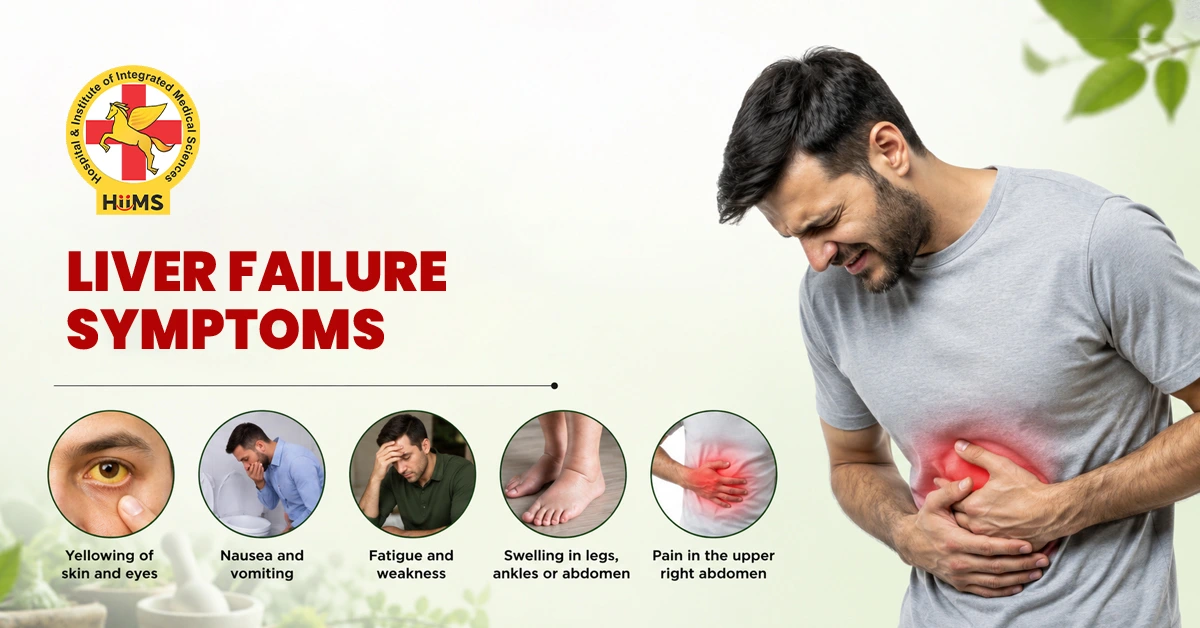
This is not the normal sleepy feeling after a long day. It is a heavy tiredness that stays even after a full night’s sleep. Simple work starts to feel hard, and energy keeps falling through the day. When the liver slows down, waste is not cleaned from the blood properly, and this makes the body feel weak. It is one of the most common symptoms of liver failure doctors notice first.
2. Low Appetite and Sudden Weight Loss
Food you once enjoyed now feels like too much. You feel full after a few bites, and over a few weeks, this leads to weight loss you did not plan for. This happens because the liver makes less bile, and without enough bile, the body cannot break down food properly.
3. Yellow Eyes or Yellow Skin
This is called jaundice, one of the clearest signs of liver failure. The white part of the eyes turns yellow, the skin follows, urine becomes darker, and the stool may look pale. This happens because the liver cannot clear a substance called bilirubin from the blood, and this sign should never be ignored.
4. Pain or Heaviness Under the Right Ribs
A dull ache below the right ribs, often worse after eating, is a common early sign linked to liver failure symptoms. It may feel small at first, but if this pain keeps coming back, it needs a doctor’s assessment.
5. Frequent Nausea and Stomach Upset
Feeling sick after meals, struggling with oily food, mild vomiting, and stomach upset that keeps returning are part of this warning list. These early liver failure symptoms are often mistaken for a weak stomach.
6. Itchy Skin With No Rash or Allergy
An itch spreading all over the body, with no rash and no clear reason, worse at night, can happen because bile salts build up under the skin. This is one of the most ignored liver failure warning signs, since people think it is just dry skin.
7. Bruises or Bleeding That Take Time to Stop
Bruises from a small bump, bleeding gums while brushing, sudden nosebleeds, or cuts that bleed longer than usual point to a drop in clotting ability. Since the liver makes the proteins needed for clotting, this group of symptoms of liver failure should always be taken seriously.
Who Should Be More Careful About These Symptoms?
Some people have a higher chance of facing liver trouble and should stay alert to signs of liver failure. This includes people with fatty liver, hepatitis, long-term alcohol use, diabetes, obesity, or a family history of liver problems. If you fall into these groups, regular health check-ups are important more for you.
When Should You Consult a Doctor?
Do not wait if more than one symptom shows up together, if jaundice or stomach pain does not go away, if tiredness feels extreme, or if you see swelling in the legs or feel confused. Spotting early liver failure symptoms early gives doctors a better chance to treat the problem before it turns severe.
Conclusion
Most people ignore these small warnings because they do not seem serious at first. But paying attention to liver failure symptoms can help you get healthcare help before things become complicated. A healthy daily routine, along with timely check-ups and expert guidance where needed, can support your liver health for the long run.

FAQs
Q1. What are the earliest liver failure symptoms?
Ongoing fatigue, poor appetite, and mild digestive discomfort are usually the first signals people notice before anything more visible develops.
Q2. How can I recognise signs of liver failure at home?
Watch for a combination of tiredness, yellowing skin or eyes, dark urine, and unexplained itching that doesn’t match any allergy.
Q3. Can liver failure develop without severe pain?
The liver has very few pain receptors, so damage can progress quietly for a long time with only mild discomfort, if any at all.
Q4. Which people should watch for early liver failure symptoms?
Those with fatty liver, hepatitis, long-term alcohol use, diabetes, obesity, or a family history of liver disease need to stay especially alert.
Q5. When should someone seek medical advice for symptoms of liver failure?
Reach out to a doctor as soon as multiple symptoms appear together or persist for more than a couple of weeks without improvement.