
Heart problems do not always come with loud warnings. Sometimes, they build quietly in the background while life goes on as usual. You might feel a little tired, have slight discomfort in the chest, or be breathless after climbing stairs and ignore it, thinking it is just stress or weakness. This is exactly how many people miss early signs.
Heart blockage is not something that suddenly appears overnight. It develops slowly when blood flow to the heart gets restricted. The problem is, most people only start paying attention when symptoms become severe.
This blog is meant to clear that confusion. If you have been wondering about heart blockage symptoms or trying to understand how serious your signs are, this will help you figure out what to watch for, how to know heart blockage early, and what kind of diagnosis actually gives clarity instead of guesswork.
What Exactly Is Heart Blockage
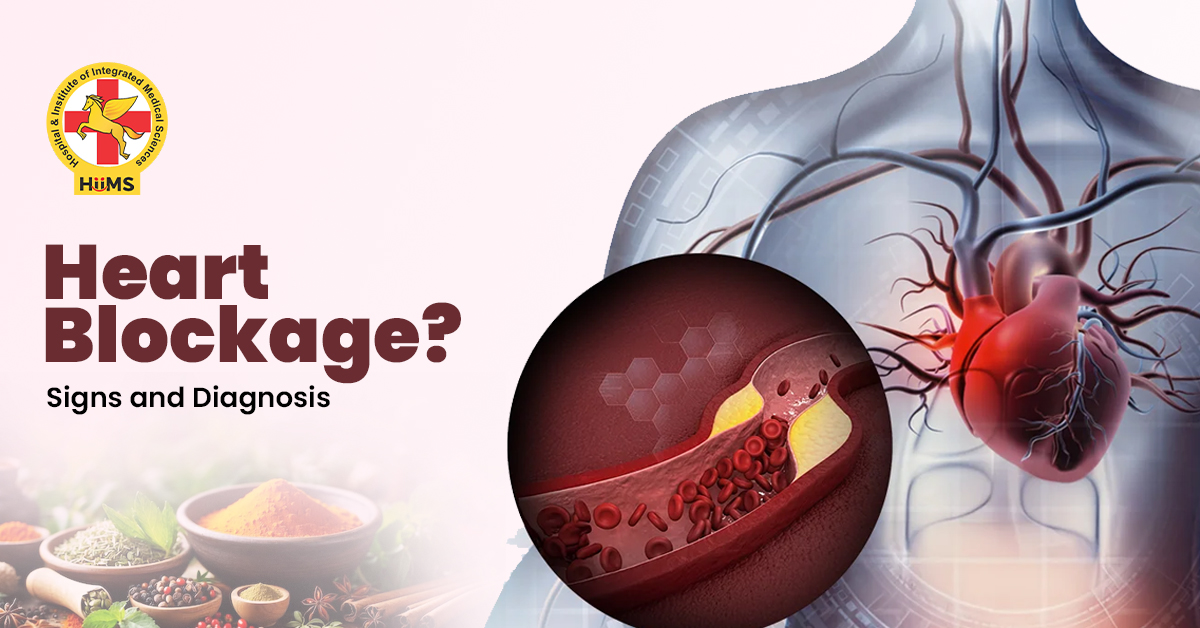
In simple words, heart blockage happens when the arteries that carry blood to the heart become narrow or blocked. This usually happens due to plaque buildup over time. When blood flow reduces, the heart does not get enough oxygen. That is when symptoms start showing up. Sometimes slowly, sometimes suddenly.
The tricky part is that early symptoms of heart blockage can feel very normal. That is why people often delay action.
Early Signs Most People Ignore
Not every symptom feels dramatic. In fact, many people live with early warning signs without realizing what they mean. Here are some common signs of heart blockage:
- Mild chest discomfort or pressure.
- Shortness of breath during small activities.
- Feeling tired without a clear reason.
- Pain spreading to arms, neck, or jaw.
- Lightheadedness or dizziness.
- Uneasiness after eating or walking.
These heart blockage symptoms can come and go. That makes them even easier to ignore.
When Symptoms Become Serious
As the blockage increases, symptoms become more noticeable. You may experience:
- Strong chest pain, especially during activity.
- Tightness or burning sensation in the chest.
- Difficulty breathing even at rest.
- Sudden sweating without reason.
- Anxiety or feeling of heaviness.
At this stage, ignoring symptoms is risky. It is no longer just discomfort; it is your body asking for attention.

How to Know Heart Blockage Without Guessing
A lot of people try to self-diagnose based on symptoms. That is not reliable. If you are seriously trying to understand how to know about heart blockage, proper testing is the only clear way.
Natural Ways to Observe Your Heart Health
It is imperative that you consider visiting a physician, but there are also some natural ways you can use to check on your heart health:
Be Aware of Your Breathing Habits
If you find yourself feeling out of breath during routine activities, your heart might be having difficulty circulating oxygen throughout your body.
Note Down Your Energy Levels
Lack of energy when not performing any strenuous activity should not be dismissed easily.
Check for Any Chest Pains
A little chest pressure or pain could be an early indication.
Notice Recovery Rate
Difficulty recovering after walking and climbing up a staircase is a good indicator. These are not confirmed tests, but they help you understand when something feels off.
Doctor Diagnosis and Tests
If symptoms keep repeating or feel stronger, it is better to get checked. A doctor may suggest basic heart monitoring, stress-based checks, or simple imaging to see how your heart is working.
These are commonly used heart blockage tests that help confirm the condition instead of guessing.

Why Many People Look Beyond Temporary Solutions
Modern treatments often include medications or procedures depending on severity. These can be necessary, especially in critical cases. But many people also start looking at long-term healing options because
- They want to avoid repeated medication.
- They are concerned about side effects of modern medicine.
- They want lifestyle-based recovery.
- They are looking for a root-cause approach.
This is where natural treatment methods start getting attention.
A More Holistic Way to Look at Heart Health
At Jeena Sikho HiiMS, the focus is not just on blockage but on the condition of the body as a whole. Instead of only managing symptoms, the approach works on the following:
- Improving blood circulation.
- Supporting heart function naturally.
- Correcting digestion and metabolism.
- Reducing stress levels.
- Building sustainable daily habits.
This kind of approach takes time, but it aims for long-term healing rather than quick relief.
Also Read: Boost Stamina with Testo Booster
Conclusion
Heart blockage is not always loud or obvious. It often starts quietly and builds over time. Ignoring early heart blockage symptoms is what makes the situation worse later.
If you have been feeling unsure about your symptoms, the best step is not to assume but to check. Understanding how to know heart blockage early can make a real difference.
Instead of waiting for things to get serious, it is better to act when the signs are still manageable. A balanced approach that combines proper diagnosis with lifestyle changes and natural care can help you move towards better heart health in a more stable way.
FAQs
Q1) What are the most common heart blockage symptoms?
Chest discomfort, breathlessness, fatigue, and pain spreading to the arms or jaw are commonly noticed.
Q2) How can someone confirm heart blockage?
Tests like ECG and TMT are used for proper heart blockage diagnosis.
Q3) Is heart blockage possible in the absence of symptoms?
Symptoms are sometimes not very apparent initially.
Q4) Does stress cause heart blockage?
There are chances of a relationship between stress and heart problems.
Q5) Under what circumstances should a person consult a doctor for heart problems?
Whenever there are recurring or unusual symptoms, an earlier consultation is advisable.