
Health problems rarely arrive suddenly. Most of the time, the body keeps giving quiet signals long before things become serious. Constant tiredness, heaviness after meals, poor eating habits, lack of movement, and stress slowly start affecting heart health from the inside. That’s one reason why cholesterol control has become such an important topic today.
The good part is that small food choices can create a real difference over time. Your kitchen actually plays a bigger role in heart wellness than most people think. Certain foods naturally help support better circulation and a healthier cholesterol balance when included regularly. If you’ve been searching for ways to lower cholesterol naturally, understanding what you eat every day is honestly one of the best places to start.
Why Does Food Matters So Much for Cholesterol Control?
The body needs cholesterol in small amounts, but problems begin when unhealthy cholesterol builds up in blood vessels. This can slowly affect blood flow, and honestly, most people don’t notice the problem building up until routine tests suddenly show high cholesterol levels.
One of the smartest ways to support cholesterol control is to improve daily eating habits rather than relying entirely on temporary shortcuts. Processed food, sugary snacks, deep-fried items, and unhealthy oils usually make the problem worse over time. On the other hand, natural foods rich in fiber, healthy fats, and nutrients help the body maintain better balance.
People trying to lower cholesterol naturally often realize something important after a while. Extreme dieting rarely lasts. Small habits repeated daily usually work far better than strict plans that people quit after five days.
1. Oats and Barley Help Reduce Bad Cholesterol
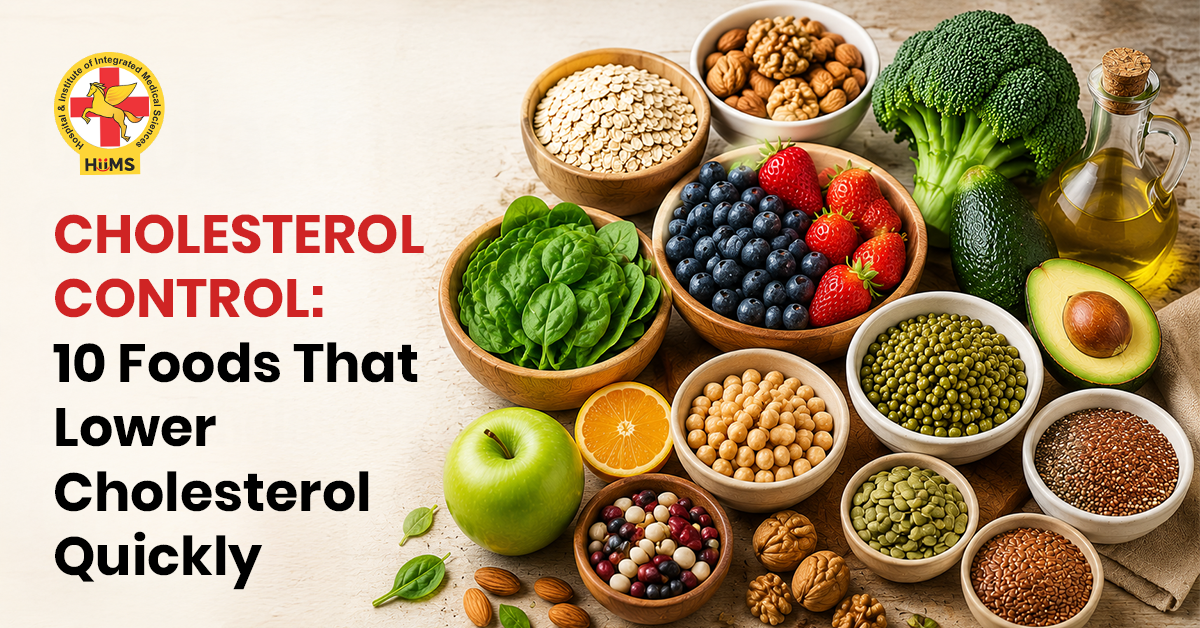
Breakfast choices quietly affect heart health more than most people think. Oats and barley contain soluble fiber that helps the body remove excess cholesterol more efficiently. Another good thing? They keep the stomach full longer, so random unhealthy snacking during the day often reduces automatically. That’s why they are commonly added to lists of cholesterol-lowering foods and heart-friendly meal routines.
2. Beans and Lentils Support Better Digestion
Rajma, black beans, chickpeas, and lentils are excellent for both digestion and heart wellness. These foods contain fiber that supports smoother fat metabolism inside the body. Plus, they are practical foods people can actually eat regularly without making life complicated. Many people following a balanced high cholesterol diet slowly replace fried snacks with protein-rich foods like dals and beans because they feel lighter afterward, too.
3. Almonds and Walnuts Support Heart Wellness
Nuts are small, but honestly, they do a lot for the body. Almonds and walnuts contain healthy fats that support better cholesterol control when consumed in moderate amounts. They also make a much better snack than chips or fried food. Even a small handful during the day can support energy balance and healthier cholesterol levels.
4. Avocados Contain Healthy Fats
A lot of people become scared of fats completely once cholesterol levels increase. But the body still needs healthy fats for proper balance. Avocados include monounsaturated fats that are good for your heart and assist to keep things in balance inside. In modern wellness diets, they are often included in salads, sandwiches, or smoothies. This is one reason why people talk about avocados while looking for strategies to lower cholesterol naturally.
5. Lipi Capsules by Acharya Manish Ji
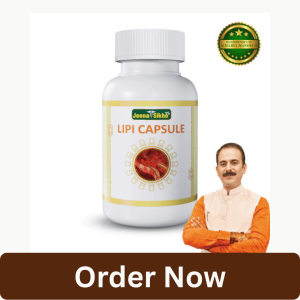
Lipi Capsules by Acharya Manish Ji are made with Ayurvedic herbs like Arjuna, Guggulu, Punarnava, Ashwagandha, Giloy, Dalchini, and Nagarmotha. These capsules help support healthy cholesterol levels, improve blood circulation, maintain heart wellness, and promote better cardiovascular balance naturally.
6. Olive Oil Is Better Than Refined Oils
Kitchen oil choices matter more than most families realize. Extra virgin olive oil includes beneficial lipids and antioxidants that improve heart health. The switch from butter or unhealthy refined oils to olive oil may help you better control your cholesterol in time. Little tweaks to your kitchen can do more for your health than pricey wellness trends.
7. Green Vegetables Help the Body Stay Balanced
Spinach, kale, broccoli, cabbage, and other green vegetables support digestion and overall circulation. These vegetables contain fiber and antioxidants, which are commonly linked to heart-healthy eating habits. People searching for foods to reduce LDL cholesterol often increase their intake of green vegetables because they support lighter digestion as well. Honestly, regular home-cooked vegetables usually do more for the body than fancy packaged “health” foods.
8. Fruits Support Daily Wellness Naturally
Apples, oranges, berries, and grapes are not just refreshing snacks. People trying to improve cholesterol control often include more fruits because they help reduce unnecessary sugar cravings during the day. Fresh fruits also help the body feel lighter and more energetic.
9. Soy Foods Support Better Nutrition
Tofu, soy milk, and roasted soybeans are becoming popular among people trying to improve heart-healthy eating patterns. Soy-based foods provide plant protein while supporting a cleaner, more balanced diet. This is why they are often included in recommendations for cholesterol-lowering foods. Replacing unhealthy snacks with better protein sources quietly helps over time.
10. Garlic Has Long Been Linked with Heart Health
Garlic is already part of many Indian kitchens, which is actually a good thing for overall wellness. Traditional wellness systems and modern nutrition discussions both often connect garlic with better circulation and heart support. People focusing on cholesterol control sometimes increase their intake of natural ingredients like garlic rather than relying heavily on processed flavorings.
Daily Habits Matter Along with Food
Food alone cannot fix everything if lifestyle habits remain unhealthy. Poor sleep, smoking, stress, lack of movement, and excessive junk food continue to disturb the body’s balance internally. This is why overall lifestyle improvement becomes important for long-term cholesterol control. Some supportive daily habits include:
- Walking regularly
- Drinking enough water
- Sleeping on time
- Reducing packaged food
- Managing stress better
- Staying physically active
The body usually responds slowly, but consistently, when healthier routines become part of daily life.

Conclusion
Heart health problems are increasing faster today because modern routines have changed completely. Long hours of sitting, processed foods, stress, and unhealthy eating habits can quietly affect cholesterol levels over time. Thankfully, small food choices still make a real difference.
Adding oats, nuts, vegetables, fruits, fish, beans, garlic, soy foods, and healthy oils to daily meals may naturally support better heart health. The goal is not perfection. The goal is consistency.
If you still feel confused about managing cholesterol naturally, you can also explore a VOPD consultation with the doctors at Jeena Sikho HiiMS to better understand which wellness approach may suit your condition properly.
FAQs
Q1. What meals help to reduce cholesterol?
Oats, nuts, legumes, fruits, vegetables, fish, garlic and olive oil are often associated with heart health.
Q2. Can eating actually decrease cholesterol naturally?
Yes, eating healthier can help cholesterol balance over time, gradually.
Q3. What are the best foods to reduce LDL cholesterol?
Fiber-rich foods like oats, beans, fruits, and leafy vegetables are often recommended.
Q4. Is exercise important for cholesterol balance?
Honestly, yes. Regular movement supports circulation and overall heart wellness.
Q5. Can stress affect cholesterol levels?
Long-term stress may indirectly affect heart health and body balance over time.