

Jeena Sikho HiiMS is an integrated healthcare centre that offers Ayurveda, naturopathy, yoga, diet counselling, and other AYUSH therapies. Our kidney care programme focuses on traditional Ayurvedic treatments and lifestyle care.
We do not just focus on medical treatment like a normal nephrology department. We use four pillars – Aahar (Diet), Vihar (Lifestyle), Shaman (Medicines) and Shodhan (Therapies) to provide you with a personalised plan based on your health status, kidney reports and your personal needs. Some of our kidney treatments include:
Understanding Chronic Kidney Disease and Its Stages
Chronic Kidney Disease (CKD) is a chronic illness that causes damage to the kidney functions involved in filtering out waste products and excess fluids from the blood. The main function of healthy kidneys involves regulating the body fluids, blood pressure, and production of red blood cells.
The progression of CKD can be staged into five stages on the basis of the estimated Glomerular Filtration Rate (eGFR). Other tests to measure CKD include measuring levels of albuminuria in the urine.
Facing kidney problems?
The stages are:
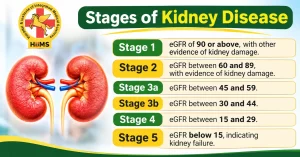
- Stage 1: eGFR of 90 or above, with other evidence of kidney damage.
- Stage 2: eGFR between 60 and 89, with evidence of kidney damage.
- Stage 3a: eGFR between 45 and 59.
- Stage 3b: eGFR between 30 and 44.
- Stage 4: eGFR between 15 and 29.
- Stage 5: eGFR below 15, indicating kidney failure.
The value of eGFR itself does not give an accurate picture of everything. It is the doctors who take into account the amount of urine albumin, medical history, patient’s symptoms, and other test results before making the decision on the treatment programme.
There is no universal method of dealing with kidney problems. Everything depends on the reason, stage, and coexisting conditions. A nephrologist may suggest any of these approaches.
1. Medications and Medical Monitoring
Doctors may prescribe medications to manage conditions that affect kidney health. These include high blood pressure, diabetes, anaemia, and high cholesterol. Depending on the patient’s health and medication tolerance, doctors may also prescribe kidney-protective medicines such as ACE inhibitors, ARBs, or SGLT2 inhibitors.
Doctors supervise all medications. Patients should never start, stop, or change their medication doses without medical advice.
Regular blood and urine tests help doctors monitor kidney function and electrolyte balance.
2. Dietary Modifications
Diet plays an important role in CKD management. However, kidney patients should not follow the same diet plan because nutritional requirements can change according to kidney function, blood test results and other medical conditions.
A renal dietitian may recommend adjustments in:
- Sodium: Reducing excess salt may help manage blood pressure and fluid retention.
- Potassium: Some patients may need to limit high-potassium foods if their blood potassium levels are elevated.
- Phosphorus: Phosphorus intake may need attention in people with reduced kidney function.
- Protein: The appropriate amount of protein depends on the stage of CKD and whether the person is receiving dialysis.
- Fluids: Fluid intake may need adjustment depending on urine output, swelling and other clinical factors.
Avoid following restrictive diets or eliminating entire food groups without professional advice. The NIDDK guide to managing chronic kidney disease explains the importance of personalised nutrition and regular medical follow-up.
3. Dialysis Services
When the kidneys can no longer remove enough waste and excess fluid, dialysis may be recommended. It performs some of the functions of the kidneys but does not cure chronic kidney disease.
The two main types are:
- Haemodialysis: Blood is passed through a dialysis machine, where waste products and excess fluid are removed before the filtered blood returns to the body.
- Peritoneal Dialysis: The lining of the abdomen acts as a natural filter. A special fluid is introduced into the abdominal cavity to help remove waste and excess fluid.
The choice depends on the patient’s health, medical needs, lifestyle and suitability. Dialysis is not automatically required by everyone with CKD, and the decision should be made by a nephrologist.
4. Kidney Transplantation
For some people with advanced kidney failure, a kidney transplant may be considered. It involves placing a healthy kidney from a suitable donor into the recipient’s body. People exploring kidney failure treatment in Mumbai can discuss dialysis and transplant options with a nephrologist to understand which approach may be suitable for their condition.
Kidney Disease Care at Jeena Sikho HiiMS: An Integrated Approach
Jeena Sikho HiiMS Andheri is an integrated healthcare organisation that focuses on Ayurveda, naturopathy, yoga, dietary guidance and other AYUSH-based approaches. Its kidney care programme combines traditional Ayurvedic principles with lifestyle-based care and medical monitoring.
Unlike a conventional nephrology department that primarily focuses on medical management, HiiMS follows a four-pillar approach based on Aahar (Diet), Vihar (Lifestyle), Shaman (Medicines) and Shodhan (Therapies). The aim is to provide personalised guidance according to the patient’s health condition, kidney function reports and individual requirements. Some of the key Kidney approaches offered at Jeena Sikho HiiMS include:
1. GRAD System and Specialised Therapies
The GRAD (Gravitation Resistance and Diet) System is an approach associated with Jeena Sikho HiiMS. It combines selected lifestyle practices, dietary guidance and supportive therapies. The programme may include Hot Water Immersion (HWI), Head Down Tilt (HDT) therapy and other naturopathy-based practices, depending on individual suitability.
2. Panchakarma and Ayurvedic Care
Panchakarma is a traditional Ayurvedic approach that includes different procedures selected according to an individual’s health condition. HiiMS incorporates Ayurvedic therapies and herbal preparations as part of its integrated care approach. These should be considered only after professional assessment, particularly in people with reduced kidney function.
3. Personalised DIP Diet
Dietary guidance is another important part of the HiiMS kidney care programme. The DIP diet focuses on dietary and lifestyle modifications. Food recommendations are personalised according to individual health requirements and medical reports. Patients with CKD should also have their potassium, sodium, phosphorus, protein and fluid requirements assessed by qualified healthcare professionals.
4. IPD and VOPD Consultation Facilities
This service includes an IPD service where you will have access to professional supervision, diagnostic services and therapy options. It also includes a Virtual Outpatient Department (VOPD) where you can consult healthcare professionals and receive nutritional advice.
When taking into consideration CKD treatments in Mumbai, Jeena Sikho HiiMS can be seen as an integrative treatment using Ayurveda and lifestyle medicine. Please note that Ayurveda and naturopathy based treatments are not recognised alternatives to nephrology treatments, medication, dialysis and kidney transplant. Please discuss any complementary treatment options with your nephrologist to ensure you are still receiving appropriate medical management.
How to Choose the Best Kidney Doctor in Mumbai
Choosing a kidney specialist is an important part of managing your CKD. They will be a nephrologist, a medical professional who specialises in the kidney diseases.
Points to consider when choosing the best kidney doctor in Mumbai:
- Qualifications – Make sure they have the correct medical qualifications and are recognised experts in the nephrology.
- Experience – Ask them how much experience they have in treating your type of kidney condition. This may be CKD, diabetic kidney disease or other kidney-related issues.
- Services – Ensure they offer all the services you need. This may include the investigations, dialysis and transplant assessments.
- Communication: Are they able to communicate to you about your reports and options and have a clear plan?
- Availability: How easy is it to get an appointment? Where is the hospital based? How much will it cost to receive treatment? Will they be covered by your insurance?
A qualified nephrologist in Mumbai can help you understand your test results. They can work out any possible cause of kidney damage and advise on which treatment you should have.
Lifestyle Measures for Better Kidney Health
Along with medical care, certain lifestyle habits may support overall health and help manage risk factors associated with kidney disease.
- Monitor blood pressure and blood glucose as advised.
- Follow a personalised kidney-friendly diet.
- Reduce excess salt in meals.
- Stay physically active according to your health and doctor’s advice.
- Avoid smoking and limit alcohol.
- Take prescribed medicines regularly.
- Avoid self-medicating, especially with painkillers or unverified herbal supplements.
- Attend scheduled blood and urine tests.
People with kidney disease should not increase or restrict their water intake without medical advice. Fluid requirements vary from person to person.
Conclusion
The best kidney disease treatment in Mumbai is to first understand the illness that you have and seek help from an experienced nephrologist. Early assessment, consistent monitoring, diet advice tailored to your specific needs and proper medical treatment will help to control CKD and any related complications. If a transplant is required, then speak with a specialist renal team about what other options are available. Self-medication and unproven treatments should be avoided. Your care plan will be based on the medical reports and personal health needs.

FAQs
1.) Who should I see for kidney disease?
For kidney disease, you should see a nephrologist who is a specialist in kidney-related issues. You may need to see a the urologist too if there is an issue with the urinary system, kidney stones or structural issues.
2.) Do all CKD patients need to have a dialysis treatment?
Not all CKD patients will need dialysis. Many can be managed with the medication, diet changes and regular monitoring. In severe kidney failure dialysis is recommended.
3.) Can kidney disease be managed with just a diet?
No, while a healthy diet is very important for kidney health, you will still require a medical assessment. You will require medication. You should follow a personal diet plan.
4.) When should I see a nephrologist?
If you have consistently high creatinine levels, low eGFR, proteinuria or haematuria, then you should consider seeing a nephrologist. If you have hypertension that is uncontrolled, diabetes with kidney issues or severe shortness of breath, chest pain, confusion or a significant decrease in urine output, you should seek urgent medical attention.
5.) What tests are done to diagnose kidney disease?
Blood tests such as serum creatinine and eGFR, urine tests for protein or albumin, blood pressure and imaging (kidney ultrasound) may be advised by your doctor.