


The winters bring cooler temperatures and shorter days and change our routines. During the winter season, people spend much time inside and tend to become less active. It is important to have a balanced diet and a healthy routine to maintain well-being.
In their search for the best food as immunity boosters for the winter season, people usually seek the perfect ingredient that would work wonders. There is no magic product that can suddenly make our immune system strong; proper habits are needed instead. NIH guidance also highlights healthy eating, physical activity, sleep, and stress management as important parts of supporting the body’s normal defences. If you have any disease and you are fed up with having different medicines, then you should consult an Ayurvedic doctor too.
Winter Diet Tips for Better Wellness
The seasonal fruits and veggies can be incorporated into your diet during the winter season to bring in essential nutrients. Adding various colourful fruits and veggies in your diet is an effective way to ensure a healthy balance in your nutrition intake.
1. Eat Seasonal Fruits and Vegetables

Seasonal fruits and vegetables can add important nutrients to your meals. Include oranges, guava, amla, carrots, spinach, broccoli and other locally available produce.
Different fruits and vegetables provide different nutrients, including vitamin C, vitamin A, folate and fibre. Therefore, try to include a variety of foods instead of depending on one particular item. The NIH notes that adequate vitamins and minerals are important for normal immune function.
2. Add Garlic, Ginger and Turmeric
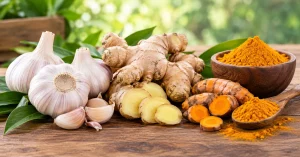
Garlic, ginger and turmeric are common ingredients in Indian cooking. Add them to dals, vegetables, soups and other home-cooked meals.
Turmeric can also be added to warm milk if it suits your diet. However, these ingredients should be seen as part of a balanced diet rather than medicines or guaranteed immunity boosters. NCCIH also notes that evidence for turmeric varies depending on the health condition being studied.
3. Include Protein-Rich Foods to Boost Immunity
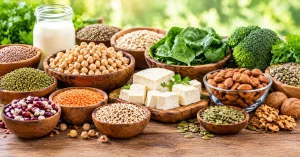
Protein supports normal growth, tissue maintenance and several body functions. Depending on your dietary preference, include dal, beans, chickpeas, paneer, nuts and seeds. Combining protein with vegetables and whole grains can make meals more balanced and filling.
4. Add Nuts and Seeds
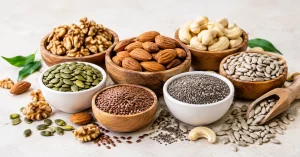
Almonds, walnuts, pumpkin seeds and sunflower seeds provide protein, healthy fats, fibre and nutrients such as vitamin E.
A small serving can make a convenient winter diet for immunity. Choose plain or lightly roasted options and avoid varieties with excess salt or added sugar.
5. Stay Hydrated

Cold weather may reduce your feeling of thirst, but your body still needs enough fluids. Drink water regularly. You can also include warm homemade soups, herbal teas and other suitable fluids. Ginger or tulsi tea can be a comforting choice, but it should complement regular water intake.
Lifestyle Habits for Winter Wellness
1. Stay Physically Active
Movement is equally significant even in winter. Taking a brisk walk, performing yoga, stretching, cycling, or some form of exercise will enable you to stay physically active. The NIH suggests that you engage in physical activity on a regular basis. The target is that an adult should exercise for at least 150 minutes weekly.
Select an activity that suits your health and physical condition.
2. Get Enough Sleep
Sleep is essential in achieving total well-being. Adults require at least seven or more hours of sleep per day. Have a set schedule when sleeping and waking. Have a comfortable bed, avoid spending too much time on electronic devices at night, and refrain from having heavy meals just before sleeping.
3. Manage Daily Stress
Stress can affect sleep, eating habits and general well-being. Therefore, make some time for relaxation during the day. Deep breathing, meditation, gentle yoga, reading or spending quiet time with family can help create a calmer routine. Even a few minutes can provide a useful break.
4. Dress according to the weather.
Wear suitable layers according to the temperature and avoid staying in damp clothes. At the same time, keep indoor spaces reasonably ventilated when weather conditions allow.
A Simple Healthy Winter Diet Plan
A healthy winter diet does not need to be complicated. For breakfast, choose options such as vegetable poha, oats, eggs or dal cheela. The food for lunch could be a mixture of vegetables with dal or any other protein with roti or rice.
Evening could be a time for fruits, nuts, seeds, or some homemade snacks. Dinner would include some warm, homemade foods like vegetables, dal, soup or khichdi. According to WHO, a varied diet offers different nutrients depending on the individual requirements.
Foods to Limit During Winter
Winter can make fried snacks, sweets, and processed foods tempting. However, these foods should not replace nutritious meals.
Be sure to avoid:
- Heavily processed foods
- Foods high in sugar content
- Very salty packaged foods
- Excessive fried foods
- Sugary drinks
Eat healthy, homemade food that consists of vegetables, fruits, proteins, and natural foods.

Conclusion
Winter healthy eating is not limited to a single miracle food item. Balanced nutrition and consistent daily habits are the key factors. The winter foods list should contain seasonal fruits and veggies, proper proteins, nuts, seeds, and sufficient amounts of liquids. Moreover, physical activity, proper sleep, stress management, and basic healthcare are important too.
It will be possible for you to maintain healthy winter living through these simple winter wellness tips. Make sure that the chosen tips are realistic to practice regularly.
FAQs
Q1. What are the best immunity boosters for winter?
There is no one specific food which will help in building up immunity alone.
Q2. What foods should be eaten for healthy winter eating?
One can eat seasonal fruits and vegetables, dal, beans, eggs, nuts, seeds, whole grains, and cooked foods, depending on one’s preference.
Q3. Is turmeric milk beneficial in winter?
Turmeric milk can be used as a warm beverage but according to the requirements of their body and diet, it should not be considered as a medicinal drink or immunity booster.
Q4. How much exercise is needed in winter?
Regular physical activities according to your health and physical condition should be performed on a regular basis.
Q5. Why is sleep essential in winter?
Sleeping properly will ensure the proper functioning of all the body’s organs and also maintain wellness.
References:
- https://www.who.int/publications/b/76012
- https://www.nih.gov/health-information/your-healthiest-self-wellness-toolkits/physical-wellness-toolkit
- https://www.nccih.nih.gov/health/turmeric
- https://ods.od.nih.gov/factsheets/ImmuneFunction-Consumer/
- https://newsinhealth.nih.gov/2023/01/your-body-disease-defenses