

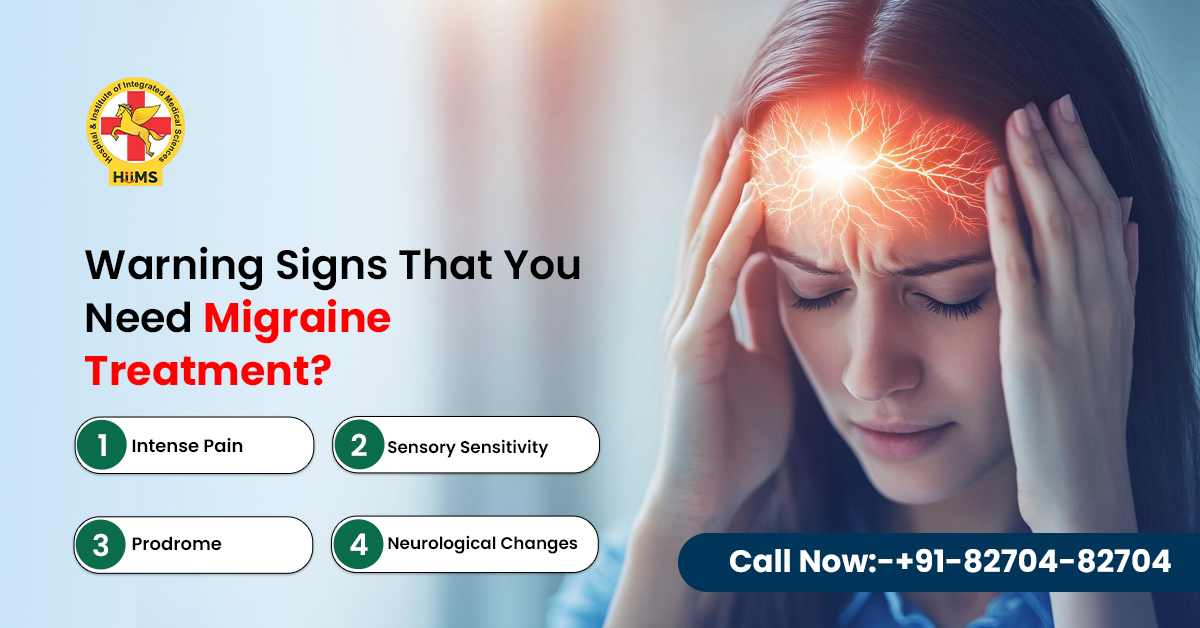
Migraine is often mistaken for a bad headache, but the two are not the same. It can cause strong, throbbing pain that may make routine tasks difficult and affect your mental state. Some individuals feel the pain on one side of the head, while others describe it as a throbbing or heavy pressure that can last for hours. During a migraine attack, symptoms such as nausea, tiredness, or sensitivity to light and sound may also appear. If these episodes begin to occur regularly, it becomes important to look for proper migraine treatment with the guidance of a migraine specialist.
In this blog, we will explain the common signs of migraine, what might trigger these attacks, and the treatment approaches that can help people manage migraines more effectively.
What Causes Migraine?
Many people ask what causes migraine. In most cases, there is not just one reason. Migraines usually happen because of a mix of triggers.
Some common triggers include:
- Stress or emotional pressure
- Poor sleep or irregular sleep schedule
- Skipping meals
- Too much caffeine
- Hormonal changes
- Bright lights or loud noise
Each person may have different triggers. That is why it is helpful to observe what usually happens before a migraine attack.
Common Migraine Symptoms
The symptoms of migraine can be different for each person. However, some signs are seen more often.
A migraine usually causes:
- Strong or throbbing headache
- Nausea or vomiting
- Sensitivity to light
- Sensitivity to sound
- Feeling tired or weak
Many people prefer to rest in a dark and quiet room when a migraine starts because light and noise can make the pain worse.
Warning Signs of Migraine Attack
At times, the body gives early signals before a migraine begins. These warning signs are often referred to as indicators of a migraine attack.
Some common warning signs include:
- Seeing flashing lights or blurred vision – Some people notice bright flashes, small dots, or zigzag shapes in their vision before the headache starts. Vision may also feel unclear for a short time, which can make reading or focusing difficult.
- Tingling in the face or hands – A light prickling or numb sensation may develop in the fingers, hands, or around the face. In some situations, the sensation can slowly move to nearby areas and last for several minutes.
- Trouble speaking clearly – In this stage, some people may have difficulty forming words properly or expressing themselves while speaking.
- Feeling unusually tired – A sudden feeling of weakness or reduced energy may develop before the migraine pain begins.
These warning signs can appear shortly before the headache begins. Noticing them early may help people understand when a migraine is approaching.
When Should You See a Migraine Specialist?
Minor headaches are common and usually not serious. However, if migraines occur repeatedly, it may be important to seek medical advice. You may need to consult a migraine specialist at Jeena Sikho HiiMS if simple remedies do not help and headaches occur frequently.
- Pain lasts for many hours.
- The headache affects work or daily activities.
- Medicines are not helping much with the symptoms.
Specialists at Jeena Sikho HiiMS evaluate your symptoms carefully and guide you toward the most appropriate migraine treatment and long-term relief.
Conclusion
Frequent migraines can make everyday activities difficult. Knowing what causes migraine, identifying migraine symptoms, and paying attention to the signs of migraine attack may help in seeking timely treatment. If the problem becomes severe or occurs often, consulting a migraine specialist is recommended. At Jeena Sikho HiiMS, migraine care includes guidance along with lifestyle and wellness support for improved migraine management. For consultation, call +91 82704 82704 or email care@jeenasikho.com.

FAQs
1. What causes migraine?
Migraines may start because of stress, lack of sleep, hormonal changes, some foods, or exposure to bright lights.
2. What are common migraine symptoms?
Many people experience strong headaches, nausea, light sensitivity, sound sensitivity, and low energy.
3. What are the signs of a migraine attack?
People may notice signs like blurred vision, flashing lights, tingling sensations, or unexpected fatigue.
4. When should I see a migraine specialist?
Frequent migraines or headaches that disturb work, sleep, or daily routine need medical attention from a migraine specialist.
5. Can migraines be treated?
With the right migraine treatment and lifestyle care, many people are able to control their migraine symptoms.