
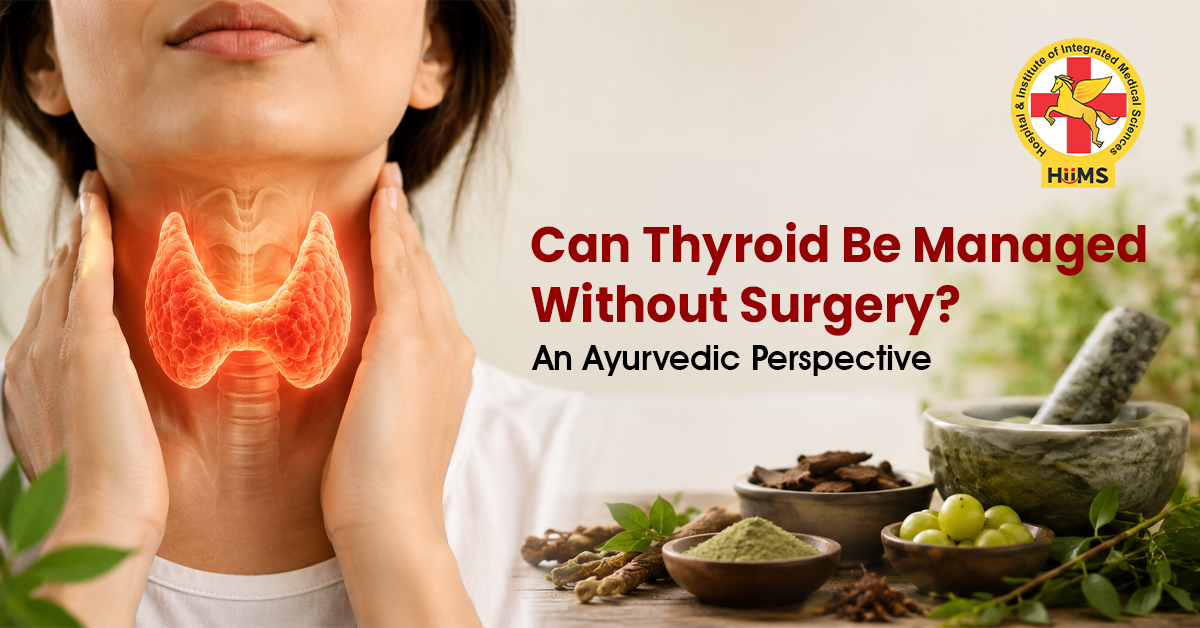
In spite of the tiny size of the thyroid, it has a major role to play in various body functions. If the gland is out of balance, it can negatively affect energy level, metabolism, emotions and overall health. It is natural that most people want to learn whether thyroid treatment without surgery is possible and what treatment options exist.
Whether surgery is required or not depends on the particular case of the disease, its causes and stage of development. Generally, the diseases associated with the thyroid are treated without surgery by consultation and observation with lifestyle modifications. However, there are specific conditions when surgery might be recommended, such as a large goiter which makes it difficult for a person to swallow, suspicious thyroid nodules, and thyroid cancer.
In addition to regular medical treatment, many patients tend to explore Ayurveda as an option of improving general well-being. Unlike Western medicine, which usually focuses on symptoms only, Ayurveda tries to enhance well-being by means of personalising dietary and wellness practices.
Understanding Thyroid Disorders
The thyroid is a small butterfly-shaped gland located at the front of the neck. It secretes hormones that help in regulating metabolism, body temperature, energy production, heart rate, and many other physiological functions. In case of insufficient production of hormones by the thyroid gland, there can be various problems.
The most common thyroid diseases are:
- Hypothyroidism
- Hyperthyroidism
- Thyroid Nodules
- Goiter
- Autoimmune thyroid diseases like Hashimoto’s thyroiditis and Graves’ disease
Proper and timely diagnosis is very important in the management of these disorders.
Do All Thyroid Disorders Require Surgery?
In most cases of thyroid disease, surgery is unnecessary. There are many situations whereby hypothyroidism and hyperthyroidism can be treated using medications and lifestyle changes without the need for surgery. However, surgery is advised when there is a strong medical indication like
- Goiter that exerts pressure on other parts of the body
- Cancerous or suspicious thyroid nodule
- Failure of hyperthyroidism to respond to other treatment approaches
- Dysphagia or difficulty breathing due to enlargement of the thyroid gland
It all depends on the specific condition of the patient.
Ayurveda’s View of Thyroid Health
Although classical Ayurvedic texts do not describe the thyroid gland in the same way as modern medicine, Ayurveda considers hormonal balance closely linked to the proper functioning of the body’s doshas, digestive fire (Agni), and tissue nourishment (Dhatus).
Ayurvedic practices suggest that if there is any disturbance in the balance of Vata, Pitta, or Kapha, then it can have an impact on metabolic activities and ultimately on one’s health. Ayurveda does not emphasise only a particular organ but rather considers all aspects of the body and its surroundings. Such a holistic view enables formulating personalised health tips according to the Prakriti of individuals.
How Ayurveda Supports Thyroid Health?
Ayurveda is a treatment methodology based on the principle of maintaining the health of a person by following certain procedures which keep him in harmony. Ayurvedic procedures can be practised by those patients who do not require any surgical intervention in order to get cured from their illness.
Diet Based on Personal Body Constitution
Diet is an essential part of Ayurvedic treatment for patients suffering from thyroid disorders. The ayurvedic thyroid diet of such a patient is recommended based on his/her body constitution and health condition.
Changes in Lifestyle
An irregular sleep pattern, excessive stress, bad food habits, and leading a sedentary lifestyle have a direct impact on the health of a person.
Yoga and Breathing Techniques
The practice of yoga and breathing is often part of Ayurvedic treatment programmes. With the right guidance, they may be used to facilitate relaxation and increase flexibility.
Management of Stress
Chronic stress may have an effect on a number of aspects of health. For maintaining good emotional well-being, Ayurveda encourages the use of relaxation methods and meditation.
Personalized Treatment
One of the benefits of Ayurvedic thyroid care is that it does not take a generic treatment route. The recommendations for treatment vary according to the patient’s symptoms, constitution, way of life, and general well-being. Based on what the individual requires, herbal remedies for thyroid disease could be recommended by an Ayurvedic practitioner.
Healthy Habits That Support Thyroid Wellness
Although every person has his/her treatment regime, some of these healthy practices might help improve the general condition of your thyroid gland:
- Have a healthy and well-balanced diet.
- Be physically active.
- Maintain proper body weight.
- Sleep well during nights.
- Manage stress through relaxation exercises.
- Consult your doctor periodically.
Take medicines as per the prescription of your healthcare expert.
Ayurvedic Thyroid Care at Jeena Sikho HiiMS
The thyroid treatments at Jeena Sikho HiiMS are performed using the holistic methodology of Ayurveda, which emphasises the importance of knowing the patient rather than concentrating on the illness. Whatever the reason behind people visiting Jeena Sikho HiiMS, whether it is for hypothyroid support or Ayurveda for hyperthyroidism, there are expert Ayurvedic doctors who consider a person’s body constitution, lifestyle, diet and other factors and prepare a customised wellness plan accordingly.
As per the requirements of patients, the plan can include a healthy diet, lifestyle, yoga, stress management techniques, and other Ayurvedic treatments when needed.
When Should You Consult a Doctor?
If you feel symptoms like extreme tiredness, fluctuations in body weight, a swollen neck, hair loss, irregular menstruation, a fast heartbeat, or any other inexplicable changes in your mood, you should see a medical expert to get a proper diagnosis. This will help avoid complications in the future.
Conclusion
Many thyroid problems can be treated without surgery, depending on the type of thyroid disorder, the seriousness of the problem, and the overall well-being of the patient. This is because thyroid treatment without surgery includes patients successfully managing their own conditions through proper health care and monitoring.
The treatment process can be further helped through the use of Ayurveda. For those who require a more holistic way of treating their thyroids, Jeena Sikho HiiMS provides personalised consultations that are focused on one’s needs. One may also schedule Virtual Outpatient Department (VOPD) consultations where Ayurvedic experts will consult one at home.
FAQs
1. Is it possible to deal with thyroid disorders without surgical interventions?
There are multiple approaches that can be used to control thyroid disorders without any operations. Nonetheless, in some instances, doctors recommend surgery.
2. What role does Ayurveda play in treating thyroid disorders?
According to the basics of Ayurveda, the health of each person relies on individual approaches which depend on a person’s constitution, diet, and lifestyle.
3. Can Ayurveda become a complementary treatment?
Many people prefer taking Ayurvedic medicines as a complementary treatment for general wellness and thyroid disorder.
4. How should one alter his/her lifestyle in order to enhance the work of the thyroid gland?
It is essential to consume nutritious food, do physical activities on a regular basis, have good sleep, avoid stress and undergo medical examinations.
5. Where and how can I contact an Ayurveda doctor in order to boost my thyroid work?
You should contact an experienced Ayurveda doctor at Jeena Sikho HiiMS in person or through VOPD.