

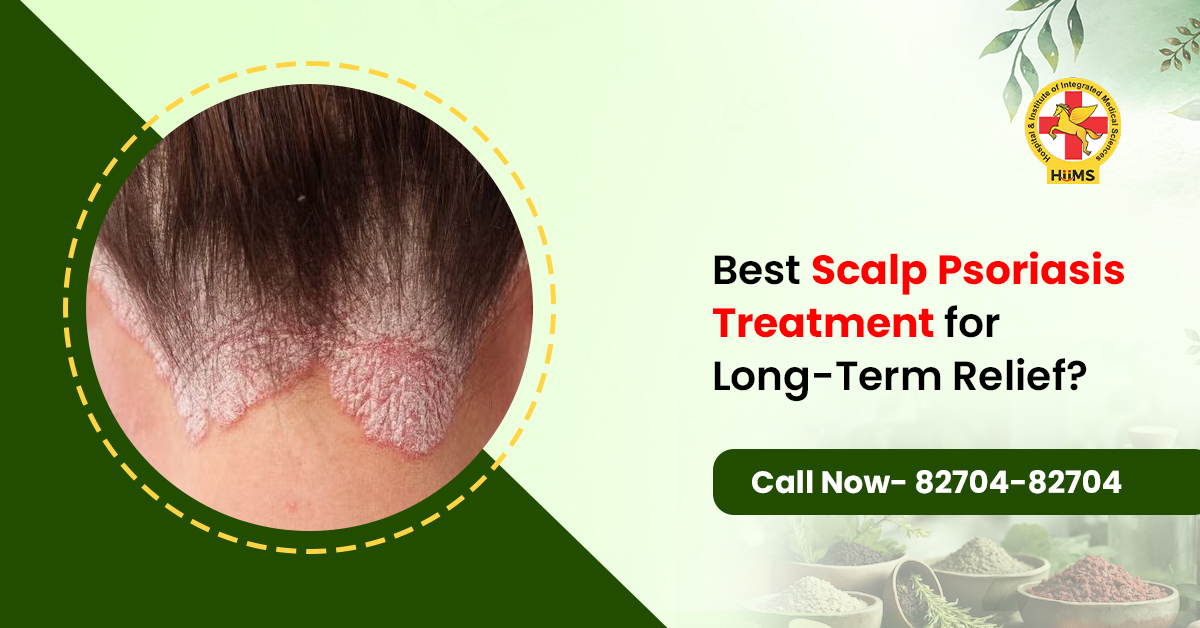
Many people see a few white flakes and some itching in the head as a small problem that a new shampoo or slight change in routine can solve. At first it seems manageable with a little combing, a change of product, and a happier day. But over weeks the pattern sometimes shifts, the flakes thicken, the scalp feels tight after washing, and small red patches appear beneath the hair. Clothes pick up flakes and quiet social gatherings become awkward. When these changes affect daily life, people often begin to look for a trustworthy scalp psoriasis treatment that offers lasting comfort, not a quick concealment.
This blog explains how scalp psoriasis shows itself, common triggers, and practical, gentle steps that support real, steady improvement. Read on for simple care tips, diet and routine pointers, and clear signs that it is time to seek guided professional help.
Understanding Scalp Psoriasis and How It Shows Up
Scalp psoriasis happens when skin cell turnover speeds up and dead cells collect into thick, dry plaques on the scalp. These scales feel heavier than ordinary dandruff and often stick to the skin. Redness under the flakes, a tight scalp after shampooing, and returning itching are common. Patches may reach the hairline, behind the ears, or the neck. Noticing these signs helps move from predicting hair products to choosing consistent care and clearer paths for psoriasis relief.
Why Does Scalp Psoriasis Keep Coming Back?
The scalp generally reflects inner imbalance. Typical psoriasis causes include long-term stress, disrupted sleep, weak digestion, and diets heavy in processed or spicy foods; these feed low-level inflammation. A reactive immune response keeps the area sensitive. For many people, short-course creams or medicated shampoos reduce the symptoms for a while, but the problem comes back because the deeper causes still remain.
Why Long-Term Relief Needs a Deeper Approach?
A true psoriasis solution asks for small, steady changes that support digestion, calm the nervous system, and lower internal inflammation. External care still matters with mild cleansers and soothing applications reducing irritation, but surface measures alone hardly stop repeated occurrences.
Daily Scalp Care and Lifestyle That Support Psoriasis Relief
Simple habits always give you the best benefit. Use mild, non-sticky cleansers and gentle fingertip massage rather than nails. Light herbal oil can soften scales before washing. Maintain regular sleep hours and take small breaks to reduce stress. Leave fried and very spicy food aside for some time and eat simple meals cooked at home, and also keep your water intake proper through the day so your digestion stays comfortable and psoriasis relief remains steady.
When to Consider a Structured Scalp Psoriasis Treatment?
If itching keeps troubling you, patches spread, or flakes return even after careful care, seek professional advice. A supervised scalp psoriasis treatment reviews diet, stress, and digestion and prepares a personalised plan. Such focused care often reduces recurrence and brings more reliable comfort than constant over-the-counter treatment.
A Holistic View on Scalp Psoriasis Treatment for Long-Term Relief
Holistic care blends internal and external work. Gentle detox, specific herbs, and gradual therapies aim to lower inflammation while application of oils protect the skin barrier. This balanced psoriasis treatment is gradual and tailored rather than one-size-fits-all.
How Jeena Sikho HiiMS Approaches Scalp Psoriasis Treatment
At Jeena Sikho HiiMS, expert doctors analyze the person’s digestion, stress patterns, and symptom history before recommending a plan. The combined approach uses diet correction, calming routines, and selected herbal supports. External oiling and soothing washes reduce immediate discomfort while internal measures help sustain change. Many patients find this psoriasis solution steadier than quick fixes and OTC support.
Jeena Sikho Psoriasis Care Package

For people dealing with recurring dryness, itching, and redness, the Jeena Sikho Psoriasis Care Package offers gentle herbal support for daily care. This package helps soothe irritated skin, keep dry patches hydrated, and support internal cleansing that often influences skin health. This package includes Dr. Shuddhi Powder, Psoro Capsules, Dr. Immune tablets, and 32 Herbs Tea. These four products are selected to support skin comfort and digestion together. With regular use and a balanced routine, many people notice gradual improvement in skin texture and reduced irritation. It works as a steady, supportive option for those looking to manage psoriasis in a simple and natural way.
Therapies That Support Long-Term Scalp Comfort
When needed and only under supervision, gentle detox methods and traditional therapies can reduce lodged toxins and improve metabolic balance. Herbal oils with neem, aloe, and manjistha nourish the scalp and soothe irritation. Relaxation practices help the nervous system settle and lessen flare frequency.
Conclusion
Choosing the right scalp psoriasis treatment requires steady balance instead of expecting quick fixes. Focus on improving digestion, managing stress, and continuing gentle external care while working with experienced practitioners to handle deeper triggers. Results usually develop slowly and steadily instead of overnight, and patience with a proper routine helps reduce flare-ups over time. When daily habits, balanced meals, and guided therapies come together, the scalp starts to feel calmer and the skin gradually looks clearer.
For support and a focused psoriasis treatment plan that aims for lasting psoriasis relief and steady care, contact Jeena Sikho HiiMS at +91 82704-82704 or care@jeenasikho.com

FAQs
1. How can I tell scalp psoriasis from regular dandruff?
Scalp psoriasis often shows thick, heavy scales with clear red patches under the flakes, and it commonly comes back after short-term relief.
2. Which daily habit helps reduce flare-ups most?
Consistent sleep paired with simple stress breaks and a digestion-friendly diet often reduces recurrence frequency more than changing products alone.
3. Are herbal oils useful for immediate comfort?
Herbal oils can soften scales and ease tightness when used gently, but they work best alongside internal care and routine changes.
4. When should I see a specialist for scalp symptoms?
If itching persists for weeks, patches spread, or daily life is affected, seeking a professional plan is a sensible next step.
5. Can lifestyle changes really replace medical treatment?
Lifestyle steps support and extend the effect of supervised treatments, and combining both tends to give the most reliable long-term results.