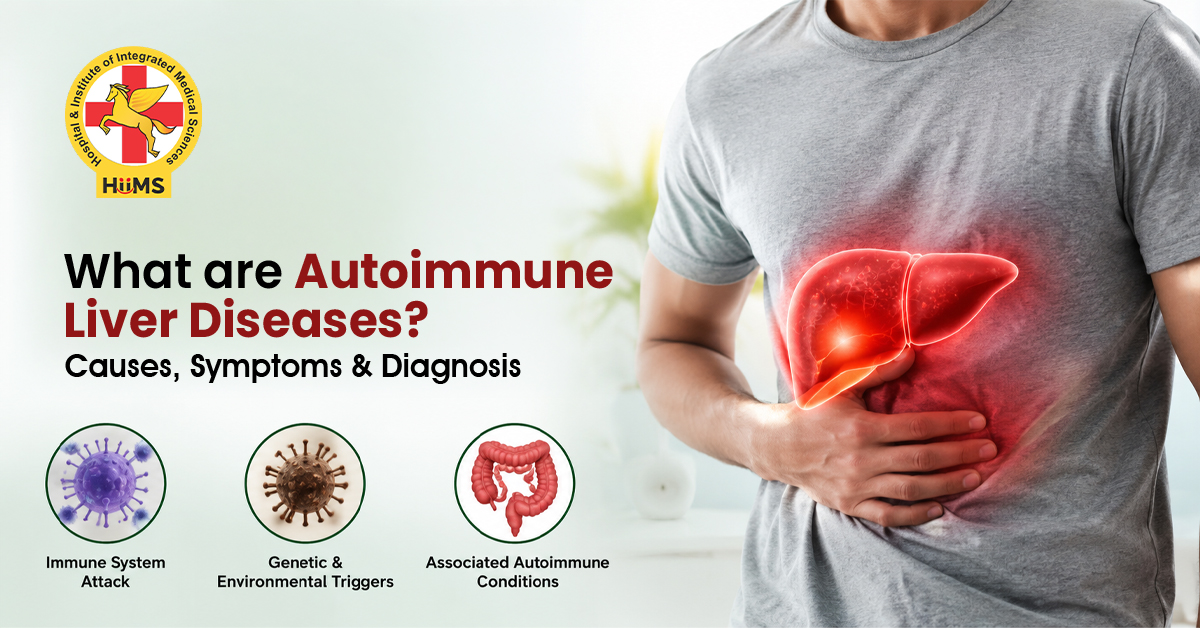

Your immune system is to protect your body against viruses, bacteria and environmental toxins. In autoimmune conditions, this defence system gets confused and mistakenly attacks healthy cells instead of harmful invaders. When this misfire targets the liver it leads to chronic irritation, tissue damage and swelling. Understanding what autoimmune diseases affect the liver can be helpful. The liver is essential for filtering blood, processing nutrients and balancing hormones, therefore a healthy liver is a key to overall well being. Early warning signs will help you take proactive steps toward recovery. This blog will help you understand the main types of autoimmune liver disorders, common triggers, main symptoms and how holistic care at Jeena Sikho HiiMS can help long term recovery.
What Autoimmune Diseases Affect the Liver?
When looking into what autoimmune diseases affect the liver, doctors typically categorise them into three main conditions based on which part of the liver tissue or bile duct system is being targeted.
1. Autoimmune Hepatitis (AIH)
In Autoimmune Hepatitis, the body’s defence system directly attacks healthy liver cells (hepatocytes). This ongoing attack causes continuous inflammation which can range from mild discomfort to severe swelling. This continuous irritation causes scar tissue to form, potentially leading to cirrhosis if not managed.
2. Primary Biliary Cholangitis (PBC)
Primary Biliary Cholangitis targets the tiny bile ducts inside the liver. Bile is an important digestive juice that helps to digest fats and remove waste. When the immune system attacks these little tubes, bile builds up inside the liver. This trapped bile over time irritates the surrounding liver cells causing inflammation and scarring.
3. Primary Sclerosing Cholangitis (PSC)
Primary Sclerosing Cholangitis causes chronic swelling and hardening in both the internal and external bile ducts. As the ducts narrow, bile flow slows down significantly which strains the liver cells. This condition is often highly associated with digestive problems, especially inflammatory bowel disease (IBD).
Common Triggers and Underlying Causes
While the exact cause of an immune misfire can vary from person to person, medical researchers and holistic experts point to a combination of internal and external factors
Genetic Factors – A family history of autoimmune problems such as thyroid conditions, rheumatoid arthritis or type 1 diabetes increases overall risk
Environmental Triggers – Heavy environmental chemicals, chronic stress, severe viral infections or certain long term medications can cause an abnormal immune response
Gut Imbalance & Toxin Accumulation – Poor gut health and weak digestion allow undigested food and toxins to leak into the bloodstream. This constant strain overworks the liver and creates widespread liver inflammation autoimmune responses.
Symptoms of Autoimmune Liver Diseases
Many autoimmune liver diseases develop slowly, so early detection is important. Knowing these autoimmune liver disease symptoms helps you seek guidance in time before serious damage occurs:
Early Subtle Signs: Constant unexplained fatigue, mild joint pain, loss of appetite, low energy, and occasional nausea.
Progressive Signs: Yellowing of the skin and eyes (jaundice), severe generalised skin itching, dark-coloured urine, and pale or clay-coloured stools.
Advanced Signs: Swelling in the abdomen (ascites), fluid retention in the legs and feet, easy bruising and confusion or brain fog due to toxin build-up
How Autoimmune Liver Diseases Are Diagnosed?
Diagnosing immune related liver conditions involves a series of clear, step-by-step evaluations to check how well the organ is functioning and identify specific antibodies
Blood Tests
Doctors check for elevated liver enzymes (like ALT and AST) which indicate active liver cell irritation. Specialised blood work also looks for autoantibodies (such as ANA or SMA) that signal an overactive immune system.
Imaging Studies
Ultrasounds, CT scans, or specialised MRIs allow doctors to inspect the physical shape of the liver and see if bile ducts are blocked, swollen or narrowed.
Liver Biopsy
In some cases, a tiny sample of liver tissue is examined under a microscope to confirm the exact stage of scarring and determine the extent of tissue inflammation.
How Jeena Sikho HiiMS Treats Autoimmune Liver Disease?
At Jeena Sikho HiiMS, treating autoimmune liver conditions goes beyond masking symptoms. The focus is on finding and addressing the root cause, internal toxin build-up and an overactive, confused immune response. HiiMS Ayurvedic specialists use personalised Ayurvedic therapies to calm the liver inflammation and flush out the built-up toxins.
Therapies like Panchakarma, specific herbs and personalised diet plans help restore gut health, reduce stress on the liver and balance the natural energies of the body. Jeena Sikho HiiMS helps the liver to heal naturally in a peaceful and medically supervised environment by boosting immunity and improving digestion.
Conclusion
Understanding what autoimmune diseases affect the liver empowers you to take early action. Recognising symptoms early, getting an accurate diagnosis, and soothing chronic inflammation can protect your liver from long-term scarring and restore balance to your body.
If you or a loved one are dealing with liver inflammation or autoimmune issues, Jeena Sikho HiiMS provides natural Ayurvedic treatments that focus on detoxifying the liver, balancing energies and soothing inflammation. You can visit the nearby Jeena Sikho HiiMS centre for holistic support or book HiiMS VOPD from official website to consult expert doctors right from your home to bring back the natural balance of your body.
FAQs
1. Can autoimmune liver diseases be managed naturally?
Natural detox therapies, dietary changes and certain herbs help soothe inflammation, support digestion and relieve the burden on liver but with medical care.
2. What are the most common early autoimmune liver disease symptoms?
Unexplained chronic fatigue, mild joint discomfort, low appetite and general tiredness are usually the earliest signs before jaundice or severe itching appears.
3. Is a liver biopsy always necessary for diagnosis?
Not always. Detailed blood tests checking for specific antibodies and modern imaging scans often provide enough information though a biopsy helps confirm the exact stage if needed.
4. Are autoimmune liver diseases contagious or hereditary?
No, you can’t catch an autoimmune liver condition like a cold or virus from contact with anyone else. However having a family history of autoimmune conditions can slightly increase your overall genetic risk.
5. Can your liver actually heal itself once autoimmune inflammation starts?
Yes, your liver has an incredible ability to repair and regenerate damaged tissue once the underlying inflammation and toxin load are brought under control.