
Do you sometimes question the reason behind high levels of cholesterol in spite of feeling fit and well? High cholesterol is one of the most prevalent health problems in adults that can occur without exhibiting any apparent signs. Some factors leading to high cholesterol include lifestyle choices, genetics, age, or even certain diseases. It is necessary to know the cause of high cholesterol in order to make informed choices about one’s health.
High cholesterol can develop without symptoms due to diet, lifestyle, genetics, age, or health conditions. Understanding its causes helps adults protect their heart health. In this blog, we will explore what high cholesterol is, the main factors that contribute to it, how you can identify it and what steps may help you manage your cholesterol levels.
Did You Know?
The ICMR-INDIAB national study estimates that in 2021, 213 million people in India had high total cholesterol. High cholesterol usually has no symptoms, so it’s important to get tested regularly to learn about your heart health.
What Is High Cholesterol?
Cholesterol is a waxy substance required by your body to produce the hormones, vitamin D, and healthy cells. However, the presence of excess cholesterol in the body increases the risk of heart disease and stroke.
There are two types of cholesterol. LDL, low-density lipoprotein, is termed “bad cholesterol,” as the high amounts of it are responsible for fatty deposits in the arteries. HDL, high-density lipoprotein, is considered to be good cholesterol since it takes cholesterol to the liver.
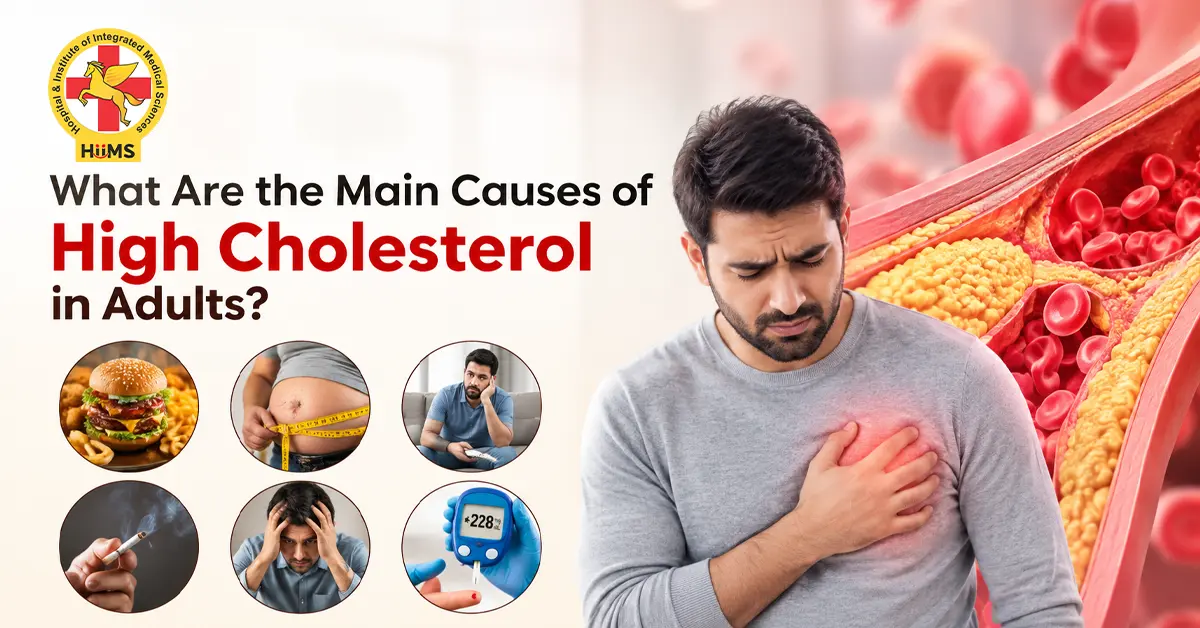
What Are the Main Causes of High Cholesterol in Adults?
Cholesterol levels can be affected by many factors. Some are related to daily habits, some could be genetic or age-related or due to pre-existing health conditions. So let’s talk about some causes of high cholesterol.
1. Unhealthy Dietary Patterns
Foods that are rich in saturated and trans fats can increase levels of LDL cholesterol. They include fatty meats, butter, some fried foods, pastries, and processed snacks. Consuming more foods rich in fibre, like fruits, vegetables, oats, beans, and whole grains, can promote healthy cholesterol levels.
2. Lack of Exercise
Inactivity can be a high cholesterol cause and weight gain. Exercise can help keep your heart healthy and also boost your cholesterol levels.
3. Excess Body Weight
Overweight or obesity can result in increased levels of LDL and triglycerides and reduced HDL cholesterol in some people. Proper eating and exercise can help maintain a healthy body weight and the cholesterol levels.
4. Genetic Predisposition and Family History
Having high cholesterol in blood is hereditary. There exists a disease called familial hypercholesterolemia that causes very high levels of LDL from childhood. Such people need both medical help and changing their lifestyles.
5. Aging, Diabetes, and Other Diseases
The level of cholesterol may depend on one’s age. Some diseases like type 2 diabetes, hypothyroidism, and chronic kidney disease may affect the level of cholesterol. Changes in the hormones, like menopause, may affect the level of cholesterol.
6. Smoking and Certain Drugs
Smoking can lower the level of HDL cholesterol and damage blood vessels. Some drugs may also influence the level of cholesterol. Never stop or change the drugs recommended by your doctor.
Concerned About Your Cholesterol Levels?
Talk to a qualified health care professional if you’re worried about your cholesterol or have a family history of high cholesterol to determine your risk factors and next steps.
Talk to our expert to know more.
What Are the Common Risk Factors for High Cholesterol?
High cholesterol risk is possible with diets rich in saturated fats, low physical activity, smoking, overweight, diabetes, and a genetic tendency to high cholesterol levels. Age could also play a part in your personal cholesterol risk.
There are things that cannot be done about some risk factors like age and genetics. The other risk factors that one can have control over include proper eating habits, exercise, and abstinence from smoking. This information should give you an idea of when you should measure your cholesterol levels.
How Can You Know If You Have High Cholesterol?
High cholesterol usually does not cause noticeable symptoms. Having high levels of cholesterol does not necessarily mean that you are unhealthy. A lipid profile is a type of blood test used to determine your levels of total cholesterol, LDL cholesterol, HDL cholesterol, and triglycerides.
It is possible to interpret your results based on factors such as age, medical history, and other risks. Your health care provider will also help you know how frequently you need to be tested.
How Can You Manage High Cholesterol?
Managing high cholesterol may involve lifestyle changes and, for some people, prescribed medicines. The right approach depends on your cholesterol results and overall health.
1. Maintain a Healthy Diet
Consume food items such as vegetables, fruits, whole grains, legumes, lentils, and nuts in your diet. Try to avoid those foods that contain saturated fats and trans fats as much as possible.
2. Practice Physical Exercises
Engage yourself in activities like brisk walking, cycling, or swimming for maintaining a healthy heart. You can select any physical exercise according to your fitness levels.
3. Control Your Weight
Where there is a need to control your weight, you should try making sustainable modifications in your dietary intake and physical activity.
4. Undergo Cholesterol Testing
Periodic cholesterol testing will allow you to be able to monitor your cholesterol levels and whether they have changed. Where necessary, your health care provider will advise you of the need for medicine. You should continue taking it regardless.
How Does Jeena Sikho HiiMS Approach Cholesterol Care?
Jeena Sikho HiiMS talks about a cholesterol care approach that includes dietary advice, lifestyle modifications, and personalized assessment. The precise plan may differ depending on a person’s health status, medical history, and cholesterol numbers.
Two-Plate Diet Plan
Jeena Sikho HiiMS discusses the Two-Plate Diet Plan that involves a first plate of fresh fruits and vegetables and a second plate of light, home-cooked meals. For example, daliya, poha, and dishes made of millets. The plan should be tailored to meet individual nutritional requirements, and people with other health conditions may need specific dietary advice.
Ayurvedic Panchakarma
A practitioner in Ayurveda might think about employing procedures such as Virechana or Basti depending on the health status of the patient. Their suitability would depend on the patient’s medical history and current state. These two kinds of practices should be thought of carefully and under appropriate guidance since their benefits in treating cholesterol are unproven.
Supportive Therapies and Lifestyle Correction
Jeena Sikho HiiMS has also discussed therapies such as contrast water therapy and head-down tilt therapy as part of its approach. These methods are not established cholesterol-lowering treatments and may not be suitable for everyone.
The approach also emphasizes regular meal timings, reducing deep-fried and heavily processed foods, daily walking, and stress management through activities such as yoga and meditation.
The most suitable cholesterol treatment plan depends on individual needs. Cholesterol testing and appropriate medical care remain important, and any Ayurvedic products or therapies should be discussed with qualified healthcare professionals.
Conclusion
Some of the major causes of high cholesterol are related to bad dietary choices, physical inactivity, genetic factors, age, and some underlying medical conditions. Knowing your risks, undertaking proper tests, and adopting necessary changes can be helpful in managing your heart condition.
Professional advice will assist in determining the right way forward for you. If you have any doubts about your cholesterol level or general cardiac health, book a VOPD consultation with Jeena Sikho HiiMS.
FAQs
1. What is the most common reason for high cholesterol?
A poor lifestyle that includes eating food rich in saturated fats and lack of exercise is one of the common factors. Genetics and medical conditions can also be contributing factors.
Can slim people have high cholesterol?
Yes. Slim people can also suffer from the high cholesterol because of genetics, age, diet, medical conditions, or medications.
3. Can High Cholesterol Be Hereditary?
Yes. There are genetic diseases like familial hypercholesterolemia that lead to elevated LDL levels. People with a family history should consult their doctors on regular intervals.
4. Is It Possible to Reduce High Cholesterol Levels without Medicine?
Some people are able to reduce their cholesterol levels with the help of changes in diet, exercise, and weight loss. Some other people need to take medicine according to their doctor’s recommendations depending on the amount of cholesterol in their body and the level of heart disease risks.
5. What Foods Do Adults Need to Avoid if They Have High Cholesterol?
Adults with high levels of cholesterol need to limit consumption of foods rich in saturated and trans fats, including some kinds of meat, butter, deep-fried foods, and snacks. Fruits, vegetables, whole grains, beans, and nuts are recommended for the heart-healthy diet.
