
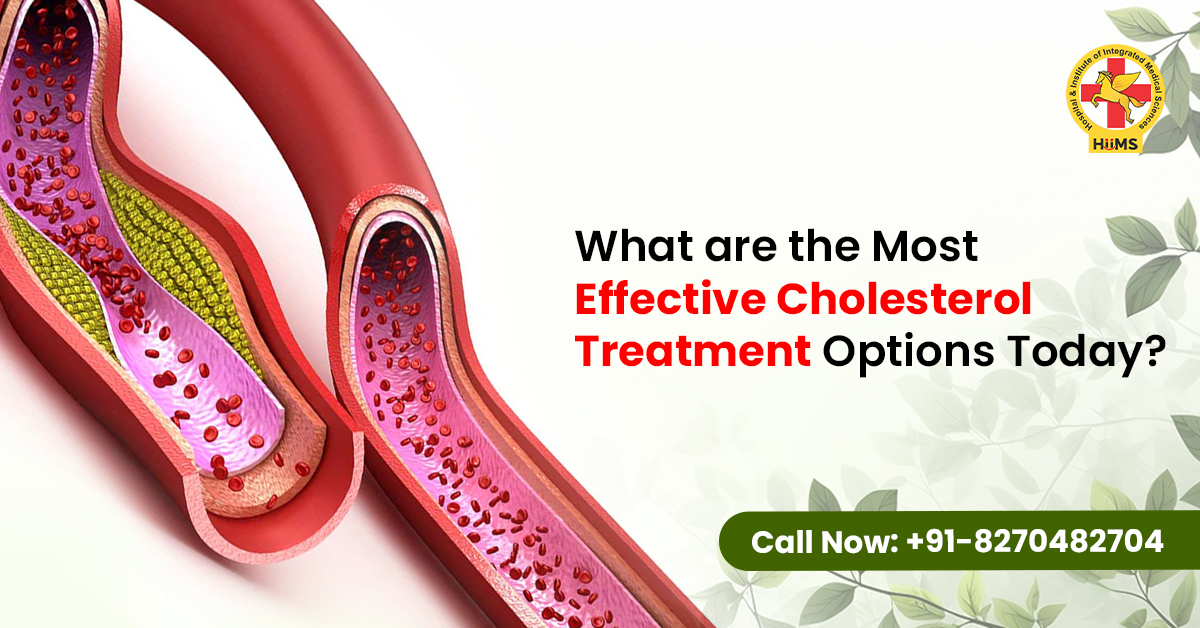
It usually starts quietly. No warning, no clear sign. You feel well, you are tired occasionally, but not seriously. And then, one day, there is an unexpected test result of high cholesterol levels. That is when people begin to search for the right Cholesterol treatment, trying to understand what went wrong and what to do next.
Cholesterol is not necessarily bad. Actually, the body requires it to develop cells and hormones. However, once the levels are out of balance, particularly when the bad cholesterol is on the rise, it begins to affect the heart and blood vessels. It may cause severe conditions in the long run.
The best part is that it can now be controlled in a variety of ways, which we will discuss in this blog. Starting with lifestyle modifications up to natural methods and medical assistance, there are various alternatives that can be used in relation to the condition.
What Really Leads to High Cholesterol?
Before looking at treatment, it helps to understand the root problem. Many people assume cholesterol issues happen suddenly, but that is rarely the case. It develops gradually as a result of everyday practices.
There are also common cholesterol causes, such as:
- Consuming excess amounts of oily, processed, or junk foods.
- Lack of physical activity.
- Being overweight.
- Smoking or alcohol habits.
- Stress and irregular routine.
- Family history in some cases.
It is not always just food. Even a sedentary lifestyle or long working hours without movement can quietly increase cholesterol levels.
Signs You Should Not Ignore
One tricky part is that cholesterol does not always show clear symptoms early on. Many people only find out after a blood test.
Still, in some cases, a few Cholesterol symptoms may appear, such as:
- Feeling tired more often than usual.
- Chest discomfort or heaviness.
- Shortness of breath during small activities.
- Pain in the neck, jaw, or upper back.
- Sudden dizziness.
These signs are not always directly linked, which is why regular check-ups become important.
Different Cholesterol Treatment Options Today
Now coming to the main question: what actually works when it comes to cholesterol treatment. The approach depends on how high the levels are and what the underlying cause is.
1. Lifestyle Changes That Actually Matter
This change is usually the first step and, honestly, one of the most important ones.
- Eating fresh, home-cooked food instead of processed items.
- Adding fruits, vegetables, and fiber-rich foods.
- Lessening fried and oily food.
- Daily walking or exercising for even 30 minutes is helpful.
- De-stressing with easy techniques such as yoga or breathing.
Such modifications might appear simple, but they directly affect the cholesterol levels in the long run.
2. Medical Support When Needed
Lifestyle changes are ineffective in certain cases. A cholesterol doctor may suggest medicines to control cholesterol levels. This is where consulting a cholesterol doctor becomes important. They evaluate your reports and suggest treatment based on your condition. Medication should never be self-started or stopped without guidance.
3. Ayurvedic and Natural Approach
Many people today are also exploring natural ways along with modern methods. Ayurveda is concerned with enhancing digestion because improper digestion results in inefficient fat metabolism and body imbalance. Easy routines such as eating hot, fresh food at the right time, consumption of spices such as ginger and cumin and drinking warm water can make the body work more efficiently.
The DIP Diet is commonly practiced at Jeena Sikho HiiMS. It includes seasonal fruits in the morning, balanced home meals in the afternoon, and a light dinner before sunset with fruits, salad, or soup. This keeps digestion active without overloading the body. Herbs such as guggul, arjuna, triphala, and garlic can be administered depending on the requirements of a particular person, not at all.
To further reinforce, treatments such as Panchakarma are occasionally prescribed. These involve procedures like Virechana and Basti, which are performed with due care to mildly clean the body.
4. Weight Management and Body Balance
Weight plays a big role in cholesterol levels. Even a small reduction in the weight can show noticeable improvements. Maintaining a healthy body weight supports better metabolism and helps improve both good and bad cholesterol levels.
5. Regular Monitoring
One important but often ignored part of cholesterol treatment is tracking progress. Getting regular blood tests helps in understanding whether the current approach is working or needs adjustment. It also prevents future complications.
When You Should Take It Serious?
When cholesterol is maintained high over an extended period, it may lead to heart related issues. Leaving it or procrastinating can complicate the situation in the future.
When you have a family history, unhealthy habits or already have other illnesses such as diabetes or high blood pressure, then it is even more important to do it before it is too late.
Conclusion
There is no short cut to cholesterol management. It is rather a matter of regular transformations and appropriate direction. Currently, the best cholesterol treatment often involves a combination of lifestyle change, appropriate medical counselling, and, in certain instances, natural remedies.
Minor decisions made on a day-to-day basis count in the long run. When you are not sure where to begin, it is possible to take advice from the more experienced professionals to help you get on the right track. To consult and receive individual care, you can reach out to Jeena Sikho HiiMS specialists at +91 8792087920 or write to care at jeenasikho.com.

FAQs
1. What is cholesterol and what is its significance?
Cholesterol is a fats in the blood that assists in the construction of cells and hormones, although too much of it may have an impact on the heart.
2. What are the general causes of high cholesterol?
It tends to occur as a result of poor nutrition, physical inactivity, stress, and in some cases, genetic makeup.
3. Are there any obvious symptoms of high cholesterol?
Cholesterol symptoms are not noticed early by most people; hence the importance of regular testing.
4. Is it possible to control cholesterol levels on a natural basis?
through proper diet, exercise and a healthy routine, levels can be improved with time.
5. At which point does one need to visit a doctor because of cholesterol problems?
When the test results indicate high levels or when there is a family history or discomfort, early medical consultation is advisable.
Disclaimer: The information provided on this blog is for general educational and informational purposes only. It is not intended to replace professional medical advice, diagnosis, or treatment. Always consult a qualified healthcare professional before making any changes to your diet, lifestyle, or treatment plan. Individual results may vary.