
Most people treat small changes in their daily health as temporary, such as an unusual ache, a sleepless night, or a little weight change, and then move on. Yet paying calm attention to these everyday differences often makes the biggest practical impact on long-term health.
This practical blog explains the early warning signs of cancer in easy and very simple language, offering clear examples and quick steps you can take when a symptom persists. The main goal is to make you all aware so you can recognise signals that matter, avoid needless worry, and connect with the right medical help early. You will find a brief explanation of how cancer develops, common risk factors to watch for, ten early signs that deserve checks, and sensible daily habits to reduce risk.
Finally, the guide describes when to see a doctor so you can act quickly and confidently when needed. Read on to learn simple steps for timely, practical action today.
Understanding Cancer in Simple Words
Generally, cells grow in our body, perform their work, and then stop on their own. When some cells stop following that routine and start dividing without limit, they can form a mass or affect nearby organs. That process often takes time, and early changes commonly feel ordinary. Finding problems early gives doctors more treatment choices and helps people keep strength and day-to-day function while care moves forward.
Why Does Cancer Develop?
Several factors raise the likelihood of cancer, like long-term tobacco use, regular heavy alcohol, diets high in processed foods, low physical activity, pollution, chronic stress that decreases immunity, and inherited family tendencies.
These circumstances make it harder for the body to correct cellular errors. A trusted cancer specialist can review personal risks and recommend suitable checks so problems are caught when they are easier to treat.
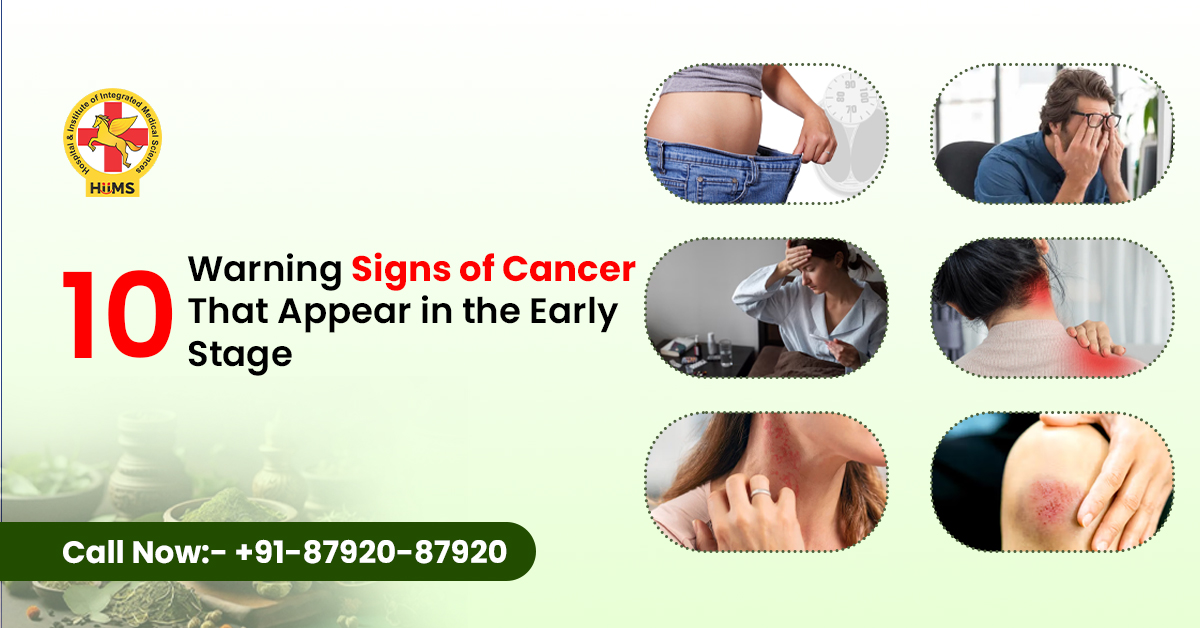
10 Early Warning Signs of Cancer You Should Not Ignore
Recognising these signs moves you from doubt to action.
- Unexplained weight loss: Notable weight loss without changes to diet or activity calls for evaluation.
- Constant fatigue: Persistent tiredness that does not ease after rest indicates that the body needs a check.
- Persistent unexplained pain: Pain that stays for weeks without clear cause should be examined.
- Changes in skin or moles: If you notice a mole looking different in shape, outline, or colour, or a sore that just doesn’t seem to heal properly, it’s better to get it examined.
- Unusual bleeding or discharge: Blood in urine, stool, or unexpected vaginal bleeding is a clear sign to test.
- Shifted bowel or bladder habits: Ongoing constipation, diarrhoea, or changes in urine need assessment.
- New lump or thickening: A new firm lump, especially in the breast, neck, or groin, should be checked without delay at the best cancer hospital in India, like Jeena Sikho HiiMS, for proper examination and clear medical advice.
- Difficulty swallowing or persistent indigestion: Swallowing problems or long-lasting indigestion that resists remedies should be checked.
- Lasting cough or voice change: A cough lasting several weeks or persistent hoarseness.
- Recurring fever or heavy night sweats: When fever returns again and again without any clear infection, and night sweats become frequent, it may show that the immune system is not functioning properly.
These points outline the early warning signs of cancer so you can spot patterns and ask for the right tests.
Why Early Diagnosis Improves Recovery Chances
Detecting disease early usually opens more options, allows less aggressive procedures, and often offers chances of recovery. Discussing choices with a cancer specialist and a coordinated team allows selection of the best cancer treatment suited to the person’s health, goals, and daily needs.
Daily Habits That May Reduce Risk Over Time
Choose fresh, homemade food more often; do exercise or yoga daily, avoid tobacco, limit alcohol, manage stress through rest and deep breathing, and keep routine health checks. These steady habits reduce long-term risk and support any medical plan.
When Should You Consult a Doctor?
If a symptom lasts more than two to three weeks or steadily worsens, book an appointment. Urgent signs such as heavy bleeding, severe breathlessness, or fainting need emergency care. Early review at a recognized best cancer hospital in India helps secure an accurate diagnosis and a faster care plan.
Conclusion
Awareness and timely response change outcomes; noticing the early warning signs of cancer gives you options and time, both of which matter greatly in health decisions. Seeking assessment from a trained cancer specialist and accessing reliable centers for care makes treatment planning clearer and more effective.
Small lifestyle shifts and routine checks support health care and often reduce complications. Remember that early attention leads to more options, gentler interventions, and a better quality of life during and after treatment.
If you notice lasting symptoms or worrying changes, call the expert of Jeena Sikho HiiMS at +91 82704-82704 or email care@jeenasikho.com to request a consultation and get practical next steps.
FAQs
Q1. How long should I wait before checking a persistent symptom?
When a problem stays for more than two or three weeks or gradually feels worse, it’s better to get it checked by a doctor instead of putting it off.
Q2. Does every lump mean cancer?
Many lumps are not dangerous, but proper testing is the only way to determine their nature and the next steps.
Q3. Who should see a Cancer specialist first?
Anyone with persistent worrying symptoms, a strong family history, or abnormal test results should consult a specialist.
Q4. Can lifestyle changes help during treatment?
Balanced food, exercise, good sleep, and stress management support recovery alongside natural care.
Q5. Where can I find trustworthy cancer care in India?
Look for hospitals known for multidisciplinary teams and clear diagnostics. Jeena Sikho HiiMS is listed among the best cancer hospitals in India for natural treatment options.