

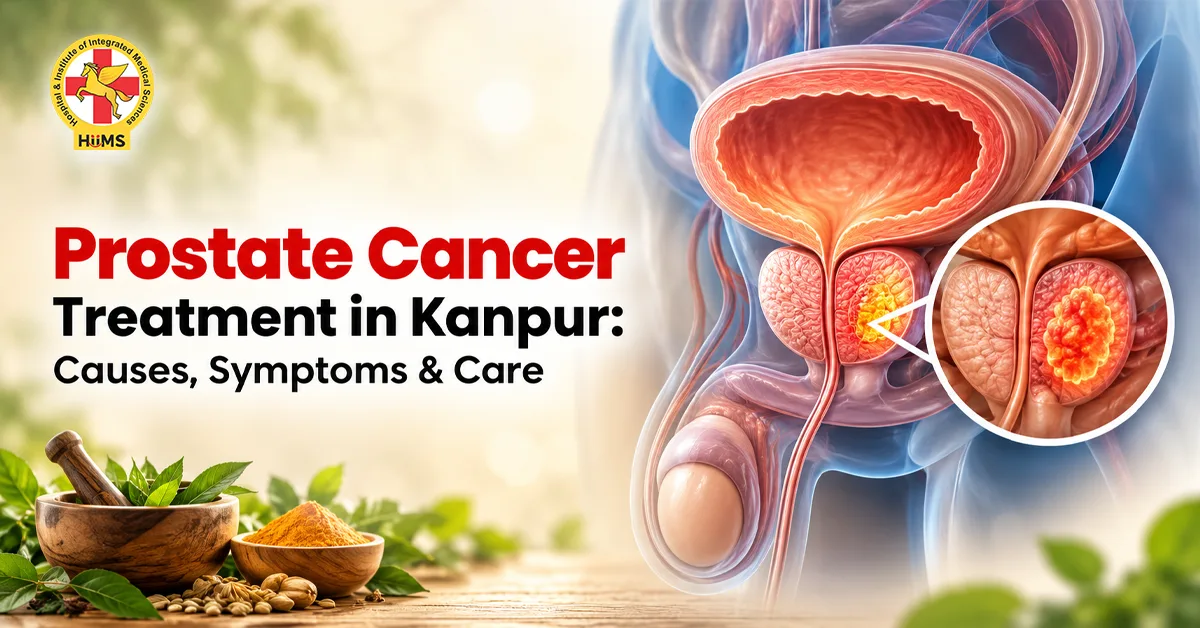
Prostate health is a vital component of men’s wellness, yet complications often develop silently during their early stages. Prostate cancer is a type of cancer that develops in the prostate gland, a small, walnut-sized gland in men that produces seminal fluid. It typically grow slowly and is most manageable when detected early before spreading outside the gland. The study on Understanding Current Trends and Incidence Projections of Prostate Cancer in India highlight a growing incidence of prostate conditions in urban centres across the country.
For patients seeking reliable prostate cancer treatment in Kanpur access to advanced diagnostic clarity combined with a compassionate, root-cause healing pathway is essential. Choosing the right centre for prostate cancer treatment in Kanpur significantly improves overall life quality and long term health.
Early Signs of Prostate Health Issues
Localised prostate changes rarely present with sudden, alarming signals. Instead they manifest through subtle alterations in urinary pattern and pelvic comfort. Symptoms of prostate cancer —
- Early signs of prostate cancer: Such as a weak urinary stream, sudden hesitation before passing urine, or the persistent feeling that the bladder has not emptied completely
- Frequent Nighttime Urination: Waking up multiple times throughout the night to disrupt restful sleep
- Advanced Warning Signals: Pain or burning sensation during urination, blood in the urine or semen and dull aches in the lower back, hips or upper thighs
Recognising these early signs of prostate cancer allow patients to seek timely support rather than dismissing symptoms as age related changes. Experiencing unusual urinary changes?

Causes and Risk Factors Affecting Prostate Health
Understanding why prostate cellular mutations occur helps patients and families build informed communication with healthcare providers. Recognising the core physiological triggers is the first step toward effective management —
- Genetic Predispositions – A family history of prostate or related malignancies increases the risk for the individual.
- Chronic Pelvic Inflammation – Long standing irritation, prostate congestion or unresolved infections in the pelvic region
- Age-Related Hormonal Shifts – Natural endocrine changes over time that alter cellular growth patterns within the prostate gland.
- Environmental Toxin Exposure – Accumulation of synthetic chemical, heavy metals, and pollutants that stress cellular integrity.
- Dietary and Lifestyle Stressors – Modern processed diets lacking in nutrients combined with sedentary routines and chronic high stress level that worsen pelvic congestion.
How to Identify Prostate Cancer Accurately
Accurate evaluation is the cornerstone of effective management. Clinicians determine how to identify prostate cancer using a combination of routine screening methods and physical evaluations.
- Serum PSA Testing – Measuring prostate-specific antigen blood markers
- Digital Rectal Examination – Physical evaluation performed by trained specialist
- Imaging & Biopsy – Utilising advanced multi parametric MRI and tissue biopsy for confirmation
Knowing how to identify prostate cancer through structured diagnostic screenings prevent delayed care and ensure therapeutic planning.
Ayurvedic Care at Jeena Sikho HiiMS Kanpur

For patients seeking natural, non-invasive supportive care alongside conventional management Jeena Sikho HiiMS Kanpur offers a comprehensive integrative approach. The hospital has experienced Ayurvedic physicians who design customised healing routines that address root imbalances.
-
Golden Therapy
An external detoxifying method where patients gently press the soles of their feet against a specialised herbal paste made from banyan, peepal, neem and bitter gourd leaves. The active botanical properties absorb through the skin to stimulate natural internal cleansing.
-
Cancer Detox Juice
A nutrient-rich blend prepared from fresh healing leaves, antioxidant-rich amla, raw turmeric and alkaline water to reduce systemic inflammation and support cellular health
-
Panchakarma Detox
Ayurvedic body detoxification therapies such as Vamana, Virechana and Basti are designed to clear accumulated metabolic toxins and restore internal balance.
-
pH-Balanced Diet
An anti-inflammatory, alkaline plant based diet rich in fresh fruits and raw vegetables that reduce cellular stress, lower internal acidity and promotes smooth digestive recovery.
-
Herbal Support
Natural herbs such as Gokshura, Varuna and curcumin help to strengthen immune resilience, reduce pelvic swelling, and support long-term prostate tissue health. Research on Ayurvedic Interventions in Supportive Cancer Care show how targeted integrative herbal protocols help improve overall patient vitality and manage treatment side effects.
Health leaders like Acharya Manish Ji emphasise that modern habits of urinating while standing fail to empty the bladder completely or apply necessary pelvic pressure. Adopting preventive habits like a natural squatting posture during urination and daily tasks restores local blood circulation, releases pelvic tension and protects against prostate enlargement.
Conclusion
Dealing with prostate health can feel overwhelming but you do not have to do it alone. By staying vigilant, recognising early signs and embracing a balanced approach that combines modern diagnostics with natural healing you can protect your long-term well-being. Whether you are exploring preventive care or seeking supportive therapies, making informed choices today creates a healthier tomorrow.
Take charge of your health today, visit Jeena Sikho HiiMS Kanpur for expert consultation. If visiting is not possible, you can also book an appointment with our experienced specialists to receive personalized guidance, natural care plans and answers to all your prostate health questions from the comfort of your home.

FAQs
Q1. Where can I find reliable prostate cancer treatment in Kanpur?
Ans. Specialised integrative care and consultations for prostate cancer treatment are available at Jeena Sikho HiiMS Kanpur.
Q2. What are the early signs of prostate cancer to watch out for?
Ans. Common early signs of prostate cancer include weak urinary flow, frequent night urination and sudden urgency.
Q3. What key symptoms of prostate cancer require immediate attention?
Ans. Persistent pelvic discomfort, incomplete bladder emptying and urinary changes are critical symptoms that need immediate attention.
Q4. How do doctors identify prostate cancer?
Ans. Clinicians identify prostate cancer using a combination of physical evaluation, PSA blood test and advanced clinical imaging.
Q5. How does Jeena Sikho HiiMS Kanpur approach healing?
Ans. Jeena Sikho HiiMS integrates traditional Ayurvedic principles, lifestyle modifications, and natural therapies for comprehensive root-cause support.